
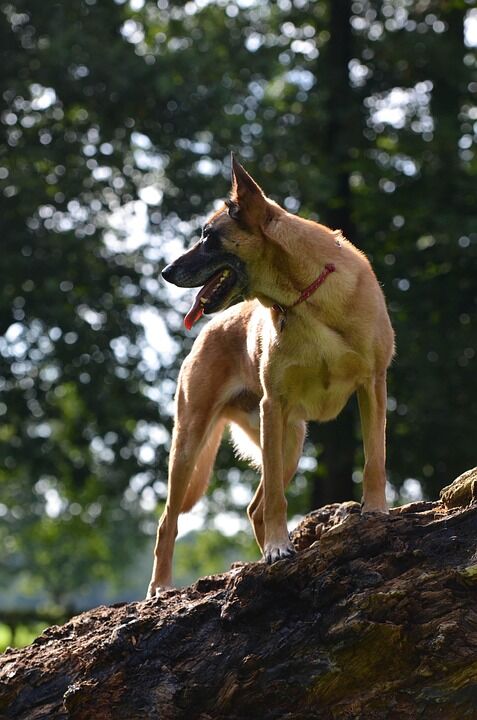
Discover the Belgian Malinois: Energetic, Loyal, and Lovably Unique!
When you think of intelligent and athletic dog breeds, the Belgian Malinois often comes to mind. These high-energy, loyal companions are growing in popularity not just as working dogs but as beloved family pets. Understanding their traits can help potential pet owners determine if they’re the right fit for their households.
Overview of the Belgian Malinois
History
The Belgian Malinois has a rich history dating back to the late 19th century in Belgium. Named after the city of Malines, these dogs were bred as herding dogs, primarily to manage and protect livestock. Their keen intelligence and agility made them exceptional working dogs, and they quickly gained prominence in various fields, including search and rescue, law enforcement, and military work.
Temperament and Personality Traits
The Belgian Malinois is known for its heightened intelligence and drive. They thrive on mental and physical stimulation. Here are some key personality traits:
- Energetic: Malinois are incredibly active and require lots of exercise. Daily walks, playtime, and engaging activities are essential.
- Loyal: They form deep bonds with their families and often show affectionate behavior towards their owners.
- Protective: With their innate guarding instincts, they can be protective of their homes and loved ones.
- Intelligent: They excel at learning new commands and tasks, which makes training both enjoyable and necessary.
Given these traits, the Belgian Malinois fits best in active households where they can participate in various activities.
Grooming Needs
The coat of a Malinois is short and straight, requiring minimal grooming. A weekly brushing will help reduce shedding and keep their coat healthy. Bathing should be done as needed, usually every couple of months, unless they get particularly dirty.
Health Considerations
As with any breed, the Belgian Malinois can be prone to certain health issues, including hip dysplasia and eye problems. Regular veterinary check-ups and a balanced diet are essential to maintaining their health.
Household Suitability
Malinois are best suited for families that lead an active lifestyle. They thrive in environments where they have space to run and explore. Because of their high energy levels, they may not be ideal for apartment living unless the owner is committed to providing ample exercise.
Tips for Training and Socializing
Training and socialization are vital for Belgian Malinois. Here are some essential tips:
- Start Early: Begin training and socialization as early as possible. Exposing puppies to various environments, people, and other animals helps them develop into well-rounded adults.
- Positive Reinforcement: Use treats, praise, and play to encourage good behavior. Malinois respond better to positive reinforcement than harsh training methods.
- Consistency Is Key: Consistent training will help reinforce commands and establish discipline.
- Engage Their Minds: Challenge them with puzzle toys or agility training. The more you stimulate their minds, the less likely they are to develop unwanted behaviors.
emotional support animals (ESA)
What is an ESA?
An emotional support animal is a pet that provides comfort and support to individuals with emotional or psychological conditions. Unlike service animals, which are specifically trained for tasks, ESAs offer companionship and help alleviate symptoms of anxiety, depression, and stress.
Benefits of Designating Your Pet as an ESA
Having a pet designated as an ESA can be beneficial for several reasons:
- Reduced Anxiety: The presence of a pet can have a calming effect. Their steady rhythm and unconditional love often help reduce feelings of anxiety.
- Increased Social Interaction: Walking a dog often leads to conversations with other pet owners, reducing feelings of isolation.
- Routine and Structure: Caring for a pet helps establish a daily routine, which can benefit mental health.
Key Information
- Breed Overview: Belgian Malinois are energetic, loyal, and intelligent dogs suited for active families.
- Grooming: Minimal grooming needs but require regular exercise.
- Training: Early socialization and consistent positive reinforcement are crucial.
- ESA Definition: An Emotional Support Animal provides comfort and companionship to those suffering from mental health issues.
- Benefits of ESAs: They help reduce anxiety, increase social interaction, and provide routine.
How Dogs and Cats Provide Emotional Support
The Science and Psychology Behind Emotional Support
Numerous studies show that interactions with pets can lead to lower levels of stress and anxiety. Here are some of the psychological reasons:
- Endorphin Release: Petting a dog or cat triggers the release of endorphins, which are hormones associated with happiness.
- Reduced Cortisol Levels: Spending time with pets can lower cortisol levels (the stress hormone) in the body.
- Unconditional Love: Pets provide a sense of belonging and acceptance that can alleviate feelings of loneliness and depression.
Real-Life Examples
Consider a young woman facing anxiety. Whenever she feels overwhelmed, her dog snuggles up next to her, providing a sense of security. Similarly, a retired veteran with PTSD may find solace in the companionship of a loyal cat that helps ground emotional states during stressful moments.
Frequently Asked Questions about Emotional Support Animals
-
Can any pet be an ESA?
- Yes, many types of animals can be designated as ESAs, but dogs and cats are the most common.
-
Do I need special training for my ESA?
- No, ESAs do not require formal training, but they should be well-behaved and comfortable in public settings.
-
What benefits do ESAs provide?
- They help alleviate feelings of anxiety, depression, and loneliness through companionship.
-
How do I get my pet certified as an ESA?
- Consult a licensed mental health professional who can evaluate your situation and provide appropriate documentation.
-
Can landlords refuse ESAs?
- Under the Fair Housing Act, landlords cannot refuse ESAs, but proper documentation is required.
-
Is there a fee for ESA certification?
- There may be fees for evaluations and documentation, which can vary by provider.
-
Can I take my ESA on a plane?
- In many cases, airlines have specific policies regarding ESAs. Always check with the airline beforehand.
-
What happens if my ESA misbehaves in public?
- While they do not need formal training, ESAs are expected to behave appropriately in public.
-
Can I train my pet to be an ESA?
- While training can help with behavior, emotional support is based on the bond between you and your pet rather than specific tasks.
Conclusion
The Belgian Malinois is a devoted and energetic breed, perfect for active families who can offer them the love and exercise they need. With the potential to serve as an Emotional Support Animal, these remarkable dogs, alongside cats, can provide invaluable emotional benefits to those in need. If you’re considering designating your pet as an ESA, look no further than Veripaw.org. Since 2012, Veripaw has been connecting pet owners with licensed mental health professionals and providing high-quality pet accessories, ensuring you have the support and information needed for your journey.
Embrace the awesome companionship of a Belgian Malinois or any pet that brings you joy, and consider the remarkable emotional support they can offer you along the way.

