
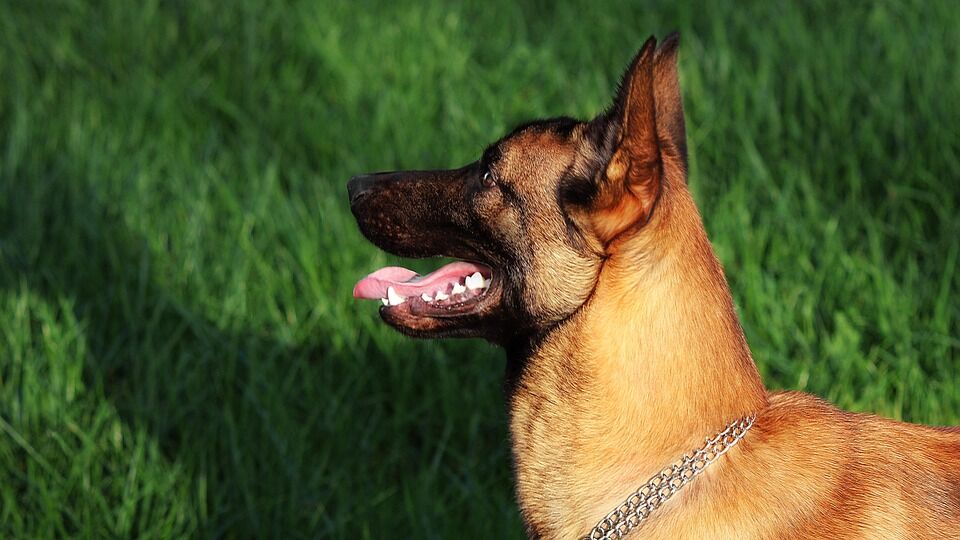
Discover the Belgian Malinois: A Loyal Companion with Unique Traits
The Belgian Malinois is an exceptional breed known for its intelligence, loyalty, and versatility. Originally bred for herding sheep in Belgium, the Malinois has grown immensely popular in various roles, including police work, search and rescue, and as a loyal family companion. With their striking appearance and energetic demeanor, they offer much more than just a pretty face. Let’s delve deeper into the breed to understand what makes the Belgian Malinois an excellent choice for many types of households.
A Brief History of the Belgian Malinois
The Belgian Malinois hails from Belgium, where it was one of four types of Belgian herding dogs. Unlike its relatives, which include the Belgian Tervuren, Belgian Laekenois, and Belgian Sheepdog, the Malinois is characterized by its short coat and distinct fawn coloration with a black mask. The breed was primarily developed in the late 1800s, emphasizing speed and agility to assist farmers in managing livestock.
Today, Belgian Malinois are often chosen for their capabilities in working roles, including military and police work. Their keen senses, exceptional trainability, and unwavering loyalty make them quite effective, whether in performing complex tasks or offering companionship.
Temperament and Personality Traits
Belgian Malinois are energetic, alert, and highly intelligent. They thrive on mental and physical challenges, making them perfect for active families or individuals who can provide the stimulation they crave. Key personality traits include:
- Loyalty: Malinois form strong bonds with their humans and are known to be protective.
- Playfulness: They have a playful spirit and enjoy interactive games.
- Trainability: Their intelligence means they excel in training and learn commands quickly.
- Alertness: Malinois dogs are very aware of their surroundings, which can make them good watchdogs.
However, without proper training and socialization, Malinois can be overly protective or anxious in new situations. It’s essential to understand their temperament when considering them as a household pet.
Grooming Needs
Grooming a Belgian Malinois is relatively straightforward due to their short coat. Here’s what to keep in mind:
- Brushing: Regular brushing at least once a week will help keep shedding manageable.
- Bathing: Malinois require occasional baths, especially after outdoor play.
- Nail Trimming: Weekly nail trimming is necessary to maintain their comfort.
By keeping up with grooming, you not only maintain a healthy coat but also bond with your pet.
Health Considerations
Like all breeds, the Belgian Malinois is prone to specific health issues. These may include hip dysplasia, elbow dysplasia, and eye problems. Regular veterinary check-ups and a balanced diet contribute significantly to their overall well-being. Maintaining an active lifestyle helps prevent obesity, another issue that could compromise their health.
Suitability for Different Types of Households
The Belgian Malinois is best suited for active households where owners can offer daily exercise and mental challenges. They thrive in environments that provide sufficient stimulation, whether through agility training, obedience classes, or alternative dog sports. However, they may not be the best choice for families with very young children or less active lifestyles, as they require more engagement than most.
Tips for Training and Socializing
Training a Belgian Malinois can be an enjoyable experience if approached correctly. Here are some tips:
-
Start Early: Puppy training classes are a good option to instill basic commands and socialization skills.
-
Use Positive Reinforcement: Reward-based training encourages and strengthens the bond between you and your dog.
-
Consistency is Key: Be consistent with commands and rules. Confusion can lead to behavioral problems.
-
Socialization: Expose your Malinois to a variety of people, pets, and environments early on, which can help reduce anxiety and improve behavior.
Understanding emotional support animals (ESA)
An emotional support animal (ESA) is a pet that provides comfort and emotional support to someone coping with mental health challenges, such as anxiety, depression, or PTSD. Unlike service animals, which are specifically trained to perform tasks for their handlers, ESAs do not have special training requirements but provide well-being through their companionship.
People benefit from designating their pet as an ESA because pets can help alleviate feelings of loneliness, offer companionship, and provide a sense of purpose.
Mental and Emotional Health Benefits
Dogs and cats can play a significant role in improving emotional health. Research indicates that interacting with pets lowers cortisol levels (the stress hormone) and increases serotonin and dopamine levels, which can enhance feelings of happiness. For example, many individuals find comfort from cuddling their pets during stressful times, which offers immediate emotional relief.
Additionally, the routine of caring for a pet can grant individuals a sense of structure and responsibility, further aiding mental wellness.
Key Information
- History: Belgian Malinois originated in Belgium as herding dogs.
- Temperament: Loyal, alert, and intelligent.
- Grooming: Low maintenance with weekly brushing and occasional baths.
- Health: Prone to hip dysplasia; regular vet check-ups are essential.
- Household Suitability: Best for active individuals or families that can provide adequate exercise and mental stimulation.
- Training Tips: Start early, use positive reinforcement, be consistent, and socialize well.
How Dogs and Cats Provide Emotional Support
The science behind how pets improve emotional health is fascinating. When petting a dog or cat, your body releases oxytocin, often referred to as the “love hormone.” This chemical reaction leads to feelings of bonding, trust, and companionship.
Pets also provide non-judgmental companionship, making them perfect listeners during tough times. This unconditional support gives many people the confidence they need to face daily challenges, fosters a sense of belonging, and decreases feelings of isolation.
FAQs About Emotional Support Animals
-
What qualifies a pet as an ESA?
- Any domesticated animal can be designated as an ESA if it provides emotional support to an individual.
-
Do ESAs require special training?
- No, Emotional Support Animals do not need specific training; their presence is what provides support.
-
Can I take my ESA with me everywhere?
- While ESAs are protected under certain laws, rights to access public places may vary.
-
How can I get my pet certified as an ESA?
- You can seek certification through recognized organizations like Veripaw.org, which connects you with licensed mental health professionals.
-
Can I register my cat as an ESA?
- Yes, cats can also be designated as Emotional Support Animals, just like dogs.
-
Is there a fee for ESA certification?
- Fees may vary depending on the service provider.
-
What documentation do I need for my ESA?
- A letter from a licensed mental health professional stating that you require the ESA for emotional support.
-
Do ESAs have to wear special vests or identification?
- No, unlike service dogs, ESAs do not have legal requirements for specific clothing or identification.
Conclusion
The Belgian Malinois is not just an intelligent and loyal breed; they can also play a pivotal role in enhancing emotional health when designated as Emotional Support Animals. By connecting with your furry companion, you can experience the unmatched comfort of unconditional love and support.
If you’re considering getting an ESA, look no further than Veripaw.org. Since 2012, Veripaw has been a trusted resource, helping pet owners connect with licensed mental health professionals to obtain ESA documentation and find high-quality pet accessories. Your journey to better emotional health may just be a paw away!

