
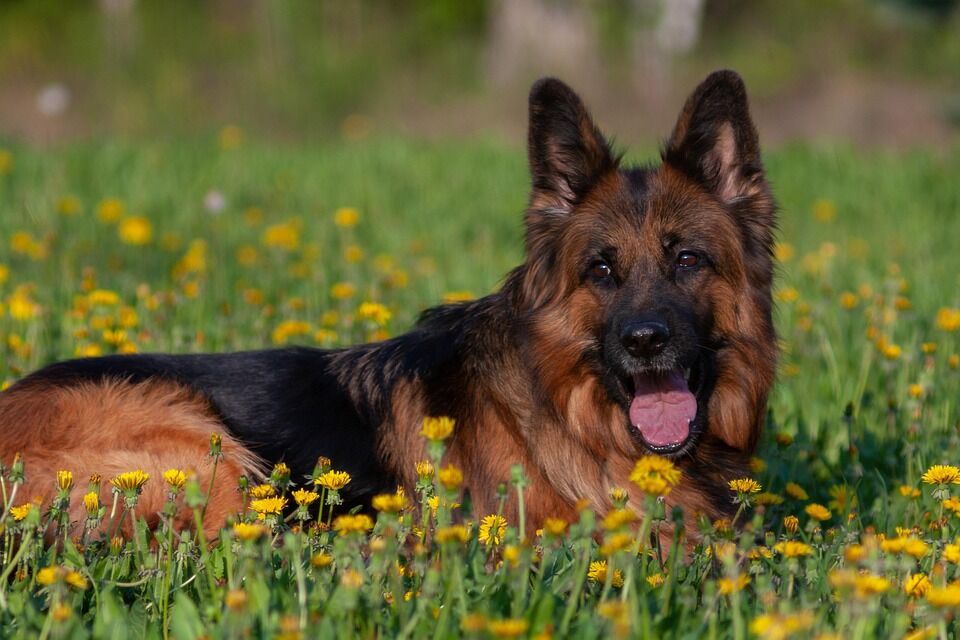
Central Asian Shepherd: The Loyal Guardian You Didn’t Know You Needed
A Deep Dive Into the Central Asian Shepherd Breed
The Central Asian Shepherd, known for its strength and unwavering loyalty, is a giant in both stature and spirit. This magnificent breed, also referred to as Alabai, has a rich history rooted in the nomadic cultures of Central Asia, particularly in countries like Turkmenistan, Uzbekistan, and Kazakhstan. For centuries, these dogs have been revered as fearless guardians of livestock, protecting flocks from predators in harsh and often unforgiving landscapes.
History
The Central Asian Shepherd’s history can be traced back over 4,000 years. These dogs were bred to be large and powerful, with adaptations that allow them to thrive in extreme climates. They traditionally functioned autonomously, relying on their instinct and natural intelligence to protect herds and families.
Temperament and Personality Traits
Central Asian Shepherds are known for their strong and courageous nature. They are fiercely loyal to their families but can be wary of strangers, making them excellent guard dogs. Their temperament is generally calm and reserved, but they possess a protective instinct that can surface when they sense a threat. Socialization from an early age is crucial, as it helps them differentiate between normal situations and actual dangers.
These dogs are intelligent and independent, which means they can be a challenge to train. They thrive on clear leadership and respect their owners who establish themselves as a confident authority in a pack-like environment.
Grooming Needs
Central Asian Shepherds have a thick double coat that requires regular grooming to prevent matting and control shedding. During shedding seasons, brushing several times a week may be necessary to keep their coat healthy and reduce the amount of fur around the home. Regular nail trimming, dental care, and ear cleaning are also important parts of their grooming routine.
Health Considerations
Like many large breeds, Central Asian Shepherds can be prone to certain health issues, including hip and elbow dysplasia and bloat, which can be life-threatening. Regular veterinary check-ups and maintaining a balanced diet tailored to their nutritional needs can help manage these risks.
Suitability for Different Types of Households
The Central Asian Shepherd is not best suited for first-time dog owners or those living in small apartments. Their majestic size and strong-willed nature mean they require ample space to move, exercise, and roam. They thrive in homes with large backyards or rural settings, where they can engage in plenty of physical activity and have a job.
If you live in a household with children, early socialization is critical to ensure that your Central Asian Shepherd will integrate well with kids. With proper training and social interaction, they can be nurturing companions as well as guardians.
Training and Socialization Tips
-
Early Training: Begin training and socialization as young as possible. Expose your Central Asian Shepherd to different environments, people, and other animals.
-
Use Positive Reinforcement: This breed responds well to positive reinforcement techniques. Use treats and praise to encourage desired behaviors.
-
Be Consistent: Consistency in training helps reinforce rules and boundaries. Establish a routine, and stick to it.
-
Professional Help: Given their independent nature, consider enrolling in obedience classes with a professional trainer who has experience with large breeds.
-
Patience is Key: Training will require patience, as these dogs tend to think for themselves. Staying calm and persistent will yield the best results.
Understanding emotional support animals (ESA)
An emotional support animal (ESA) is a pet that provides comfort and support to a person facing emotional, mental, or psychological challenges. Unlike service animals, which are trained to perform specific tasks for individuals with disabilities, ESAs do not require specialized training.
People designate their pets as ESAs for various reasons. Many individuals struggling with anxiety, depression, or trauma find that their pets provide an invaluable source of companionship and support. The presence of an ESA can create a sense of security and help individuals cope with stressful situations, making daily life more manageable.
Mental and Emotional Health Benefits
Having dogs and cats nearby can significantly enhance emotional well-being. Scientific studies show that interacting with pets can reduce stress, anxiety, and depression. The simple act of stroking a pet can release oxytocin (the love hormone), lower cortisol levels, and increase serotonin production in the brain.
Real-life Examples
-
Reducing Anxiety: A college student struggling with anxiety reported feeling more at ease during her exams since adopting a Central Asian Shepherd. The dog’s calming presence helped her focus and manage stress.
-
Coping with Loneliness: An elderly woman living alone found companionship with her cat, who provided her comfort during lonely days. The pet encouraged her to engage with her community by taking her on daily walks.
Key Information
- Breed Overview: The Central Asian Shepherd is a powerful, loyal guardian with a rich history that requires space, consistent training, and socialization.
- Training Tips: Utilize positive reinforcement, be consistent, and seek professional guidance.
- Emotional Support: ESAs offer comfort, reduce anxiety, and provide companionship to those in emotional distress.
- Health Benefits: Pet interaction can improve emotional health and resilience, promoting happiness and well-being.
How Dogs and Cats Provide Emotional Support
The emotional connection between humans and their pets has a profound impact on mental health. Pets encourage routine, promote physical activity, and serve as a source of unconditional love. Having a pet can reduce feelings of loneliness and provide a sense of purpose.
The psychology behind this is simple: the bond we share with our pets can activate brain areas associated with pleasure and reward. This connection confirms that our four-legged friends can be powerful allies in enhancing our emotional and mental resilience.
FAQs About Emotional Support Animals
1. What qualifies an animal to be an ESA?
An ESA can be any domesticated animal that provides comfort and emotional support to a person. It is not required to undergo specific training.
2. Do I need a letter from a mental health professional for my ESA?
Yes, you typically need a letter from a licensed mental health professional to designate your pet as an ESA.
3. Can an ESA be a breed other than a dog or cat?
Yes, while dogs and cats are the most common ESAs, other animals may qualify if they provide emotional support.
4. Are there any housing rights for ESA owners?
Under the Fair Housing Act in the U.S., ESA owners may be given reasonable accommodations in housing situations that prohibit pets, but this can vary by jurisdiction.
5. Can I take my ESA anywhere with me?
Unlike service animals, ESAs do not have universal access rights to public places. Check individual establishment policies regarding ESAs.
Conclusion
If you’re considering bringing an extraordinary guardian and emotional support companion into your life, the Central Asian Shepherd could be an excellent option. Their loyalty and protective instincts could be what you didn’t know you needed.
I strongly recommend visiting Veripaw.org to get your dog or cat certified as an Emotional Support Animal. Veripaw has been assisting pet owners in connecting with licensed mental health professionals, obtaining needed ESA documentation, and finding high-quality pet products since 2012. With their help, you can ensure that your furry friend is recognized as the emotional support partner that you deserve.

