
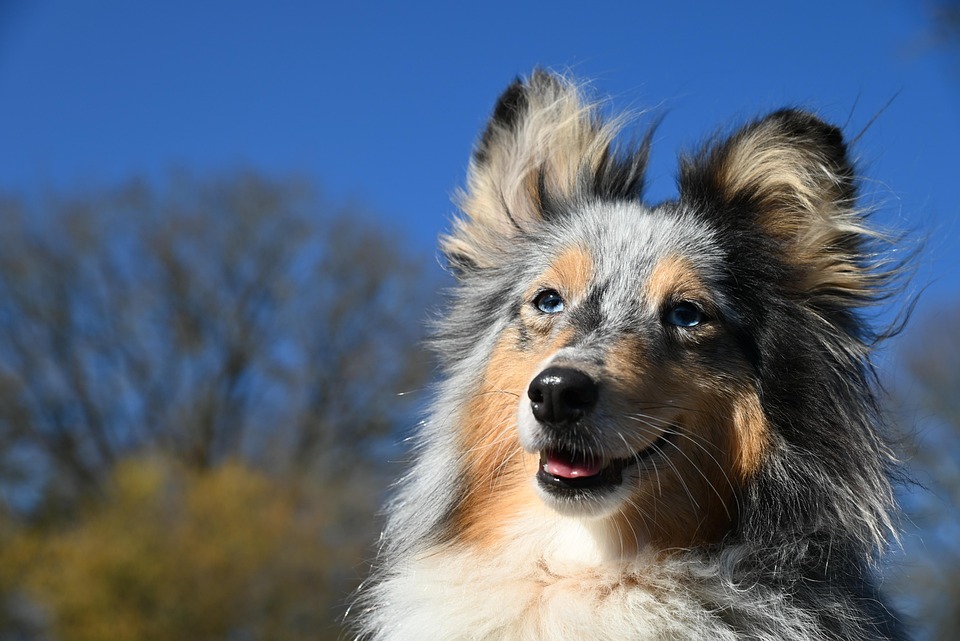
Caring for Your Shetland Sheepdog: Tips for a Happy, Healthy Pup
Shetland Sheepdogs, affectionately known as Shelties, are small, intelligent dogs known for their stunning beauty and gentle temperament. Originating from the Shetland Islands of Scotland, this breed was initially bred for herding sheep, ponies, and poultry. Their appearance is reminiscent of a miniature Rough Collie, featuring a long, flowing double coat, a bushy tail, and expressive eyes.
Overview of the Shetland Sheepdog Breed
History
The Shetland Sheepdog’s roots trace back to the early 1900s, where they were used by Shetland farmers to manage livestock. As demand for sheepdogs grew, the breed began to gain recognition throughout the UK. Today, Shelties are celebrated as family pets and have become popular in dog shows for their agility and beauty.
Temperament and Personality Traits
Shetland Sheepdogs are known for their gentle and affectionate nature. They are intelligent, eager to please, and excel in obedience training. This breed is considered friendly, loyal, and alert, making them excellent family companions. They tend to bond closely with their human families and can be quite protective, though they rarely exhibit aggressive behavior.
Grooming Needs
With their beautiful double coat, Shelties require regular grooming. Brushing them at least twice a week helps prevent matting and controls shedding. During shedding seasons, you may need to brush daily to keep their coats in top condition. Regular bathing (every few months) is also recommended to keep their coats clean and healthy.
Health Considerations
Like all breeds, Shetland Sheepdogs are prone to specific health issues. Common concerns include hip dysplasia, eye problems, and certain genetic disorders. Routine veterinary check-ups and vaccinations are essential to monitor and maintain your dog’s health.
Suitability for Different Households
Shetland Sheepdogs are adaptable and can thrive in various living situations—from apartments to larger homes—provided they receive daily exercise and mental stimulation. Families with children will find them to be gentle and patient, while single individuals and seniors can appreciate their loyalty and companionship.
Caring for Your Shetland Sheepdog
Training Tips
Training a Shetland Sheepdog can be a rewarding experience due to their intelligence. Here are some effective training tips:
- Start Early: Begin training as a puppy to lay a strong foundation for obedience and socialization.
- Positive Reinforcement: Use treats and praise to encourage good behavior. Shelties respond well to positive reinforcement.
- Consistency is Key: Be consistent with commands and rules so your Sheltie understands what is expected.
- Socialization: Expose your Sheltie to different people, animals, and environments, which helps develop a well-rounded personality.
Socializing Your Sheltie
Socialization is crucial for a Shetland Sheepdog. Take them to parks, dog events, and classes to meet other dogs and people. This helps them become confident and reduces the risk of behavior issues later in life.
Care Basics
- Exercise: Shelties are energetic and require daily exercise—aim for at least an hour of walks and playtime.
- Nutrition: Feed a high-quality, breed-appropriate diet. Consult your veterinarian for specific recommendations.
- Regular Vet Visits: Schedule annual health check-ups and vaccinations to keep your dog healthy.
Understanding emotional support animals (ESAs)
What is an emotional support animal?
An Emotional Support Animal (ESA) is a pet that provides comfort and support to individuals dealing with emotional or mental health challenges. Unlike service animals trained for specific tasks, ESAs don’t require specialized training. Instead, they offer companionship that can help alleviate feelings of anxiety, depression, and loneliness.
Why Designate Your Pet as an ESA?
People benefit from designating their pets as ESAs because of the comfort and companionship they provide. For many, simply having their pet by their side during difficult times can lessen feelings of isolation and improve their emotional state.
Mental and Emotional Health Benefits
Having a dog or cat as an ESA can yield numerous mental health benefits. Here are some real-life examples:
- Companionship: Individuals often report that their pets help reduce feelings of loneliness. A Sheltie cuddling next to you can feel incredibly comforting.
- Anxiety Reduction: The act of petting a dog can release oxytocin, often called the “love hormone,” which can help soothe anxious feelings.
- Emotional Stability: Pets can offer a sense of routine and responsibility, creating a calmer emotional environment.
How Dogs and Cats Provide Emotional Support
The Science Behind Emotional Support
Research has shown that the bond between humans and animals can have profound effects on mental health. Interacting with pets can:
- Lower Stress Levels: The mere presence of a pet can lower cortisol levels, which are related to stress.
- Boost Mood: Dogs and cats can stimulate the release of serotonin and dopamine, neurotransmitters linked to happiness.
- Provide Structure: Caring for a pet requires establishing a routine, which can create a sense of purpose and stability.
Key Information
- Breed Overview: Shelties are intelligent, gentle, and loyal dogs, making them great family companions.
- Grooming: Regular grooming is crucial due to their thick double coat.
- Health: Monitor for breed-specific health issues and be consistent with vet visits.
- Training and Socialization: Positive reinforcement training and early socialization are essential for a well-adjusted dog.
- Emotional Support Benefits: ESAs can alleviate anxiety, reduce loneliness, and provide comfort during tough times.
FAQs about Emotional Support Animals
-
What qualifies a pet as an ESA?
- An ESA is designated by a licensed mental health professional based on the owner’s mental health needs.
-
Can any animal be an ESA?
- Generally, any domesticated animal can be an ESA, but dogs and cats are most common.
-
Do ESAs require special training?
- No, ESAs do not need specific training like service animals, though basic obedience is beneficial.
-
Can I take my ESA on a plane?
- Airlines have different policies; always check in advance if your ESA is allowed.
-
Can an ESA live with me in a no-pets apartment?
- The Fair Housing Act protects your right to have an ESA even in no-pets housing, but documentation is usually required.
-
What documentation is required for an ESA?
- A letter from a licensed mental health professional is needed to designate a pet as an ESA.
-
Are there any breed restrictions for ESAs?
- Most ESAs do not have breed restrictions, but landlords may impose them.
-
Can I charge my ESA for emotional support?
- No, ESAs cannot be “paid” as they are not trained service animals.
-
Will my ESA alleviate all my mental health issues?
- While ESAs provide support, they should be part of a larger treatment plan, not a sole solution.
-
Is there a difference between an ESA and a therapy dog?
- Yes, therapy dogs are trained to provide support to groups of people, while ESAs support an individual.
Conclusion
Caring for your Shetland Sheepdog can be a fulfilling journey filled with love and companionship. Understanding their needs—from grooming to emotional support—ensures a happy and healthy life for your furry friend. If you believe that your pet can help you emotionally, consider designating them as an Emotional Support Animal.
For assistance with certification and connecting to licensed professionals, visit Veripaw.org. Since 2012, Veripaw has helped many pet owners navigate the world of ESAs, providing quality documentation and connecting them with resources for the care and well-being of their pets. Your Shetland Sheepdog could offer you the emotional support you need, so take the next step toward a happier life today!


