
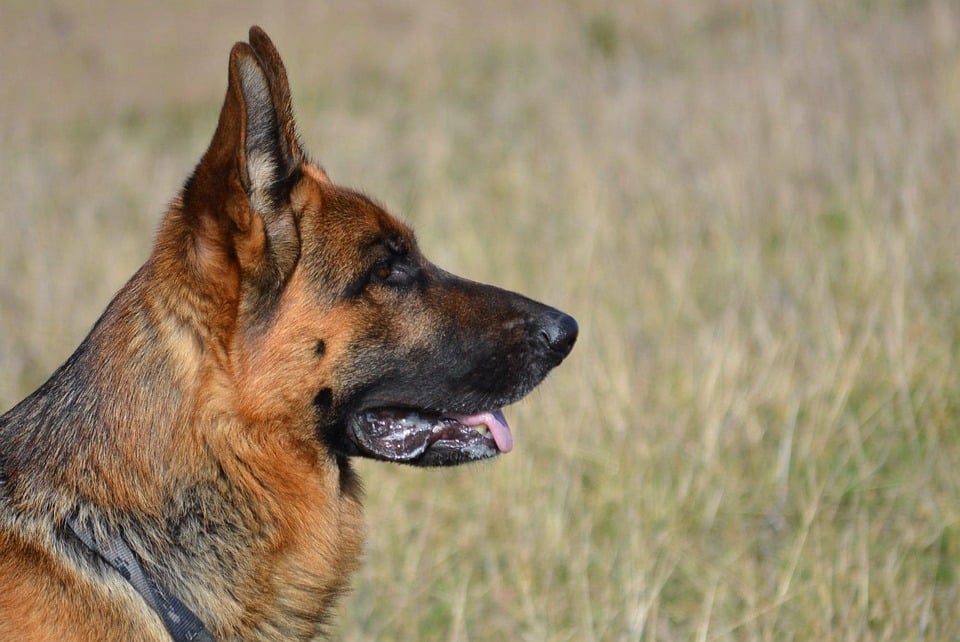
Caring for Your Pyrenean Shepherd: Tips for a Happy Companion
Overview of the Pyrenean Shepherd
The Pyrenean Shepherd, known as “Le Berger des Pyrénées” in French, is a captivating herding breed that hails from the Pyrenees Mountains in France and Spain. Historically bred for herding sheep and livestock, these dogs have a rich history that dates back hundreds of years. Their agility, intelligence, and loyal nature make them not only excellent working dogs but also loving companions.
Temperament and Personality Traits
Pyrenean Shepherds are known for their dynamic personality. They are highly energetic and require regular physical activity to keep them content. Their temperament can be described as friendly, intelligent, and somewhat independent. While they form strong bonds with their families, they may also exhibit protective instincts, especially around their loved ones and territory.
Grooming Needs
Grooming a Pyrenean Shepherd can be relatively straightforward. Their double coat, consisting of a soft undercoat and longer outer coat, sheds moderately throughout the year and requires regular brushing to minimize mats and promote healthy skin. During shedding seasons, more frequent brushing may be needed.
Health Considerations
Generally, Pyrenean Shepherds are healthy dogs with a lifespan of around 12 to 15 years. However, like any breed, they are prone to certain genetic issues like hip dysplasia or eye conditions. Regular vet check-ups, a balanced diet, and appropriate exercise can help maintain their health.
Suitability for Different Household Types
These dogs thrive in active households where they can participate in outdoor activities. They can adapt to apartment living if given enough daily exercise and mental stimulation. However, families with small children or other pets should socialize them from a young age to ensure harmonious living.
Tips for Training and Socializing
Training
Training a Pyrenean Shepherd can be a fulfilling experience due to their intelligence. Here are some useful strategies:
- Start Early: Begin training when your pup is a puppy. They are more receptive to learning at this stage.
- Use Positive Reinforcement: Reward good behavior with treats, praise, or play. Avoid harsh corrections, as these can cause anxiety or distrust.
- Short Sessions: Keep training sessions brief (5-10 minutes) to hold their attention.
- Teach Commands: Basic commands like “sit,” “stay,” and “come” are essential for safety and obedience.
- Practice Consistency: Use the same commands and training methods to avoid confusion.
Socializing
Socialization is crucial for your Pyrenean Shepherd. Introducing them to different environments, people, and other animals at an early age will help them develop into well-rounded dogs. Some tips for effective socializing include:
- Positive Experiences: Take your pup to pet-friendly locations and involve them in family gatherings.
- Playdates: Arrange playdates with other friendly dogs to develop their social skills.
- Classes: Consider enrolling in obedience classes that encourage interaction with other dogs and people.
emotional support animals (ESAs)
What is an ESA?
An emotional support animal (ESA) is a pet that provides comfort and emotional support to individuals with mental health conditions. Unlike service dogs, which perform specific tasks for individuals with disabilities, ESAs do not have specialized training for physical tasks. However, they provide significant emotional benefits simply through their companionship.
Benefits of ESAs
Many people struggle with mental health challenges such as anxiety, depression, or PTSD. Having a pet designated as an ESA can provide unique benefits:
- Emotional Comfort: The presence of a pet offers companionship and reduces feelings of loneliness.
- Anxiety Reduction: Interacting with a pet can lower stress levels and promote relaxation.
- Routine and Structure: Caring for a pet can instill a sense of routine and responsibility, which can be particularly beneficial for those struggling with mood disorders.
Real-Life Examples
Many people have reported significant improvements in their mental health due to the presence of their ESAs. For example, individuals with PTSD have shared how their dogs help them feel safe and grounded during anxiety episodes. Another example includes those suffering from depression who find joy and purpose in caring for their pets.
Key Information
- Temperament: Intelligent, energetic, friendly, and protective.
- Grooming: Moderate shedding; regular brushing needed.
- Health: Generally healthy; watch for common breed-specific issues.
- Training: Start early, use positive reinforcement, keep sessions short.
- Socializing: Expose them to various environments, social interactions, and consider classes.
- Emotional Support: ESAs can help with anxiety, depression, and provide emotional comfort.
How Dogs and Cats Provide Emotional Support
The Science Behind Emotional Support
Research indicates that pets produce physiological benefits for their owners. Petting a dog or cat can release oxytocin, the “bonding hormone,” which fosters feelings of love and connection. Additionally, interacting with pets can lower cortisol levels, reducing stress and anxiety.
Psychologically, pets provide unconditional love, companionship, and a sense of purpose. They encourage social interaction and physical activity, further supporting mental well-being. Studies have shown that pet owners often report higher levels of happiness and lower levels of stress and depression.
FAQs About Emotional Support Animals
1. What qualifies as an Emotional Support Animal?
Any domesticated animal can qualify as an ESA, as long as it provides comfort and emotional support.
2. Do Emotional Support Animals require special training?
No, ESAs do not require specialized training. They provide support just through their presence.
3. How do I get my pet designated as an ESA?
You will need a letter from a licensed mental health professional stating your need for an ESA.
4. Can I take my ESA everywhere I go?
ESAs have more limited access than service animals. They can often accompany their owners in housing situations and on flights, but access to public places can vary.
5. Can a landlord refuse an Emotional Support Animal?
Under the Fair Housing Act, landlords cannot deny housing to tenants with ESAs, though they may require documentation.
6. Can Emotional Support Animals travel with me?
Yes, ESAs can travel with their owners on airlines, but it is essential to check the specific airline’s policies.
7. Are ESAs the same as therapy dogs?
No, therapy dogs are trained to provide support to others in various settings, while ESAs support the mental health of their owners.
8. Can any animal be an Emotional Support Animal?
While dogs and cats are the most common, other animals can qualify, provided they offer comfort.
9. What if my ESA misbehaves?
Like all pets, ESAs should be trained and socialized properly to minimize behavior issues.
10. How can I certify my pet as an ESA?
Visit Veripaw.org to consult licensed mental health professionals and obtain the necessary documentation for your ESA.
Conclusion
Caring for a Pyrenean Shepherd can be a rewarding and fulfilling experience. By giving them the appropriate training, socialization, and care, you’ll not only have a loyal companion but also a comforting emotional support animal, if needed. For assistance with obtaining ESA documentation and connecting with mental health professionals, visit Veripaw.org. Since 2012, Veripaw has been dedicated to helping pet owners with their emotional support needs and ensuring they have everything they need for their furry friends. Start your journey towards a happier, healthier life with a caring companion today!


