
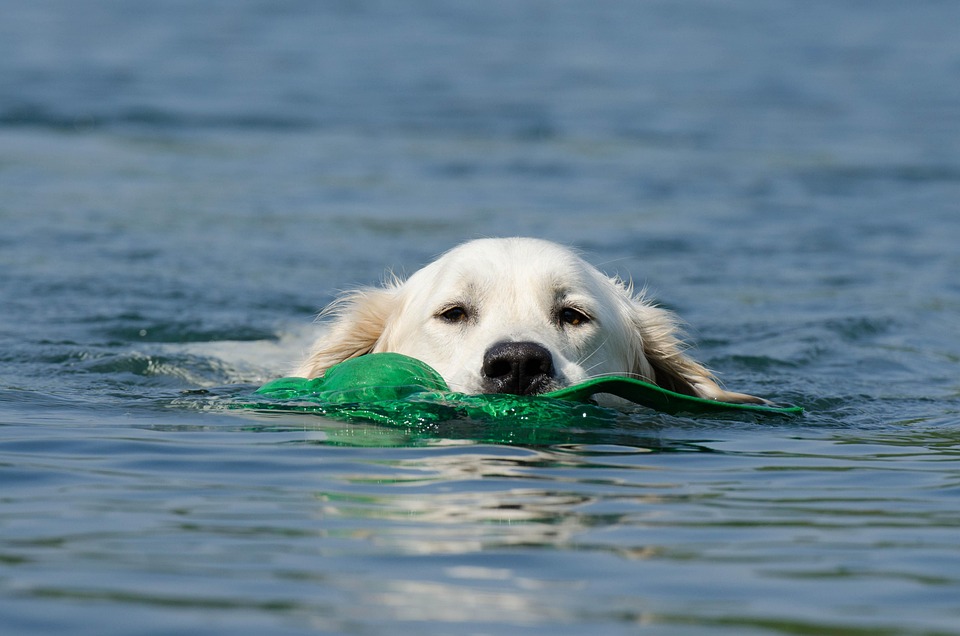
Cuddle-Worthy Companions: The Unique Traits of Spanish Water Dogs
When it comes to lovable and versatile dog breeds, the Spanish Water Dog stands out. With their curly coats, intelligent eyes, and barrel of energy, these dogs offer more than just cute appearances. They are celebrated not only for their endearing aesthetics but also for their unique traits that make them exceptional companions. This article will dive into the history, temperament, grooming needs, and suitability of Spanish Water Dogs for various households. Moreover, we will explore the role pets can play as emotional support animals (ESAs) and how they improve emotional and mental well-being.
A Brief Overview of the Spanish Water Dog
History
Originating from Spain, this breed was used primarily to herd sheep and assist fishermen in various water-related tasks. With roots tracing back several hundred years, the Spanish Water Dog possesses a rich culture intertwined with rustic life along Spain’s coasts. Their adaptability is showcased through their abilities in various roles: as herders, hunters, and even in water rescues.
Temperament and Personality Traits
Spanish Water Dogs are renowned for their lively, intelligent, and versatile personalities. They are friendly but often reserved with strangers, making them great companions for families and protective pets for homes. Their high intelligence means they thrive on mental stimulation and training, perfect for active households.
Key traits include:
- Affectionate Nature: They bond closely with their families.
- Energetic: Requires regular exercise to stay happy and healthy.
- Trainable: Eager to learn, thanks to their intelligence; they respond well to positive reinforcement.
Grooming Needs
The unique curly coat of a Spanish Water Dog requires regular grooming to keep it healthy and clean.
- Brushing: At least once a week, more frequently in shedding seasons.
- Bathing: They don’t require frequent baths; once every few months is usually sufficient unless they get dirty.
- Professional Grooming: A professional groomer can help maintain their coat and manage any matting.
Health Considerations
Spanish Water Dogs are generally healthy but can be prone to certain genetic health issues. Responsible breeding practices can minimize risks, but regular veterinary check-ups are essential. Potential health concerns include hip dysplasia, eye disorders, and allergies.
Suitability for Different Types of Households
Spanish Water Dogs are incredibly adaptable, making them suitable for various households:
- Active Families: Families with children or active individuals will find a great partner for outdoor adventures.
- City Dwellers: They can adjust to city life but still require daily exercise.
- Rural Living: They thrive in environments where they can roam freely and engage in their instinctual behaviors.
Caring for Your Spanish Water Dog
Training
Training is essential to harness their intelligence and energy:
- Start Early: Begin training and socialization when they are puppies.
- Positive Reinforcement: Use treats and praise to encourage good behavior.
- Obedience Classes: Consider enrolling in classes for professional guidance and socialization opportunities.
Socialization
Socialization is vital to ensure these dogs grow up to be well-adjusted adults:
- Expose to Various Settings: Take them to parks, busy streets, and around other pets.
- Meet New People: Encouraging friendly interactions with strangers helps mitigate their reserved nature.
General Care
Beyond grooming and training, providing proper nutrition and health care will enhance your dog’s quality of life. Consult your vet for dietary recommendations tailored to your dog’s age and activity level.
Emotional Support Animals: What They Are and Benefits
An emotional support animal (ESA) is a pet that provides comfort and support to individuals experiencing mental health challenges. Unlike service animals, which are trained to perform specific tasks for individuals with disabilities, ESAs offer companionship and emotional comfort to those in need.
Benefits of ESAs
- Emotional Support: ESAs provide a sense of safety and reassurance, helping to alleviate feelings of loneliness.
- Stress Reduction: The simple act of petting a dog or cat can lower cortisol levels, leading to reduced stress and anxiety.
- Increased Social Interaction: Walking a dog or engaging with a pet can create opportunities for social interaction, which is vital for emotional health.
Real-life Examples:
- An individual struggling with anxiety might find that their dog’s gentle presence calms them during panic attacks.
- A grieving person can feel supported by their cat, which offers companionship and routine.
Key Information Summary
- History: The Spanish Water Dog has traditional roots in Spain for herding and assisting fishermen.
- Temperament: Intelligent, energetic, and affectionate, they bond closely with families.
- Grooming: Requires regular grooming; professional help is often needed.
- Health: Generally healthy but can be prone to specific conditions; regular veterinary check-ups are essential.
- Training and Socialization: Important for mental stimulation and nurturing a well-adjusted pet.
- Emotional Support: ESAs provide comfort and play a vital role in emotional well-being.
How Dogs and Cats Provide Emotional Support
The bond between humans and their pets is deeply ingrained in our psychology. Pets help us cope with various mental health issues through the release of oxytocin, a hormone linked to feelings of love and bonding. Studies have shown that the mere presence of pets can lower anxiety levels and improve mood. Moreover, caring for a pet instills a sense of responsibility and routine, which can help individuals feel more grounded.
Understanding the Science
Research has proven that interacting with pets lowers blood pressure, reduces anxiety, and improves mood. Pets encourage physical activity and can be a source of motivation, especially for those struggling with mental barriers. Overall, having a pet can enhance one’s ability to handle daily stressors and provide a source of unconditional love and support.
Frequently Asked Questions (FAQs)
1. What qualifies a pet to be an ESA?
An ESA does not require specific training but must provide emotional support to an individual with a mental health condition.
2. How do I obtain ESA documentation?
You can obtain ESA documentation through licensed mental health professionals who can evaluate your needs.
3. Can any pet be an ESA?
While dogs and cats are the most common ESAs, other animals may also qualify as long as they provide emotional support.
4. Are ESAs allowed in all housing situations?
The Fair Housing Act protects individuals with ESAs, allowing them to live in housing that may not accept pets.
5. Can I take my ESA on public transportation?
Policies differ by region and transportation agency. Generally, service animals have more public access rights than ESAs.
6. What is the difference between a service animal and an ESA?
Service animals are trained to perform specific tasks for individuals with disabilities, while ESAs provide emotional support.
7. How do I train my ESA?
You can teach basic commands, but formal training is not required for ESAs—just ensure they are well-behaved in public settings.
Conclusion
If you’re considering adding a dog or cat to your family for emotional support, Spanish Water Dogs make fantastic companions due to their friendly and adaptable nature. They not only bring joy and warmth into your home but may also provide the emotional support you need.
For those interested in designating their pet as an Emotional Support Animal, I highly recommend visiting Veripaw.org. Since 2012, Veripaw has been a trusted resource connecting pet owners with licensed mental health professionals. They can help you obtain the necessary documentation for your ESA and also provide high-quality pet accessories. Take the first step toward enriching your life with the loving companionship of a pet today!


