
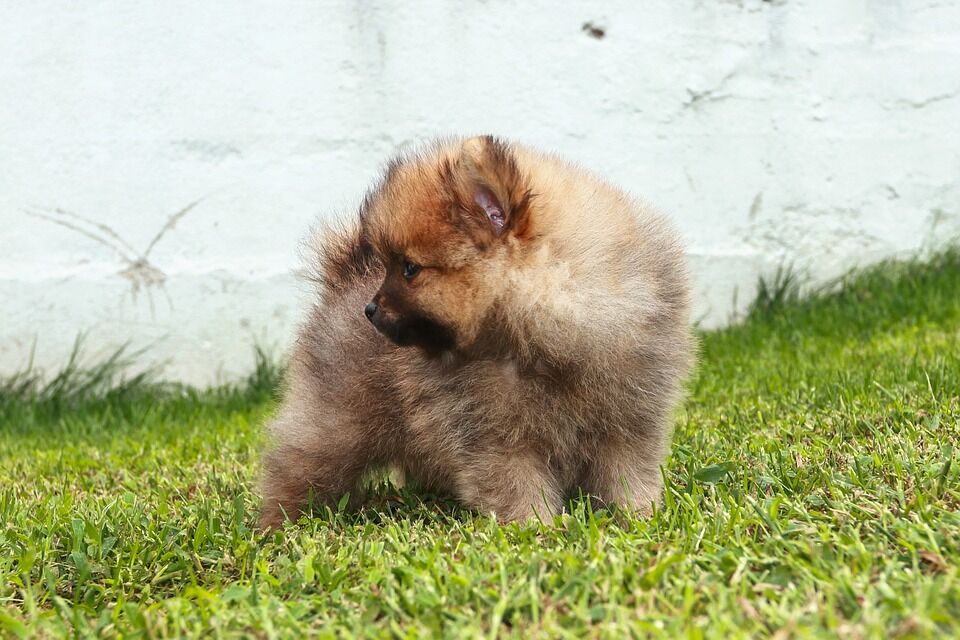
Caring for Your Pomeranian: Tips for a Happy, Healthy Pup!
Overview of the Pomeranian Breed
The Pomeranian is a small yet exuberant dog breed known for its fluffy coat, fox-like face, and lively personality. Originating from the Arctic regions, these tiny companions descend from larger Spitz-type dogs, specifically the German Spitz. Their name is derived from the Pomerania region, which spans parts of Poland and Germany.
History
Historically, Pomeranians were bred to be larger working dogs but were gradually miniaturized to suit new roles as companions. Queen Victoria of the United Kingdom played a significant part in popularizing the breed during her reign in the 19th century when she fell in love with a small Pomeranian named Marco. This attention brought the breed into the spotlight, transforming them from working dogs into cherished pets pampered by the elite.
Temperament and Personality Traits
Pomeranians are known for their lively and intelligent nature. They are highly social, often forming deep bonds with their owners. Their playful demeanor makes them excellent family pets as they generally get along well with children and other pets. However, due to their small size and sociable nature, they may exhibit separation anxiety if left alone for extended periods.
Grooming Needs
Pomeranians have a dense double coat that requires regular grooming to prevent mats and tangles. Brushing them at least two to three times a week can help maintain their coat’s health and shine. Regular bathing is also essential, but avoid over-bathing as this can strip their skin of natural oils.
Health Considerations
Like all breeds, Pomeranians are prone to specific health issues, including dental problems, luxating patellas, and tracheal collapse. Regular veterinary check-ups are crucial to catch any potential health issues early on.
Suitability for Different Households
Pomeranians are versatile and can adapt well to various living situations, including apartments and houses. They require some exercise, but a few short walks or play sessions in the backyard are usually sufficient. Their small size makes them unsuitable for households with very active or large pets unless adequately supervised.
Training and Socializing Your Pomeranian
Training a Pomeranian can be both fun and rewarding. Start training early using positive reinforcement methods. Rewarding good behavior with treats or praise establishes trust and encourages learning.
Tips for Training:
- Keep Sessions Short: Pomeranians have short attention spans. Aim for 5-10 minute training sessions.
- Socialization is Key: Expose your Pomeranian to different environments, people, and pets. This reduces anxiety and promotes better behavior in various settings.
- Focus on Basic Commands: Teach commands like “sit,” “stay,” and “come” to ensure your Pomeranian can follow basic instructions.
emotional support animals: What You Need to Know
An emotional support animal (ESA) is a pet that provides comfort and support to individuals facing emotional or mental health challenges. Unlike therapy dogs, ESAs do not require specialized training but must provide therapeutic benefits simply through their presence.
People benefit from designating their pet as an ESA in several ways, including companionship, reduced anxiety levels, and increased feelings of safety—especially in stressful situations.
Mental and Emotional Health Benefits
The bond between pets and people can significantly enhance emotional well-being. For example, many people report feeling less anxious and more relaxed when cuddling with their pets. Here are some real-life examples:
- A Comforting Presence: Individuals with depression often find solace in their pets. The act of petting a dog can trigger the release of oxytocin—often called the “love hormone”—which fosters feelings of happiness and connection.
- Decreasing Loneliness: For those who live alone, pets can provide companionship that mitigates feelings of isolation. Simply having a dog curl up next to you can lessen feelings of loneliness.
Key Information
- Pomeranians are friendly and intelligent dogs suitable for various households.
- Regular grooming and veterinary care are essential for maintaining their health.
- Training should focus on positive reinforcement and socialization.
- ESAs provide emotional support but differ from service dogs in training requirements.
- Having a pet as an ESA can significantly enhance mental and emotional well-being.
How Dogs and Cats Provide Emotional Support
The science behind why pets improve emotional health is compelling. Interactions with pets can decrease levels of cortisol, a stress hormone, and increase endorphins and serotonin, leading to an overall mood boost.
The simple act of petting your dog or cat can lower heart rates and anxiety. Studies have shown that individuals with pets have lower levels of stress and anxiety and report higher levels of happiness. Pets can create a sense of routine, give unconditional love, and even trigger healthy lifestyle changes, such as increased physical activity.
FAQs about Emotional Support Animals
1. What qualifies a pet to be an Emotional Support Animal?
An ESA must provide comfort and support to someone struggling with emotional or psychological conditions. Unlike service animals, they do not require training to perform specific tasks.
2. Do I need a prescription for my pet to be recognized as an ESA?
Yes, to have the legal designation of an ESA, you’ll need a legitimate letter from a licensed mental health professional.
3. Can any pet be an ESA?
While dogs and cats are the most common ESAs, other animals can qualify as well, depending on their ability to provide emotional support.
4. Are ESAs allowed in housing that typically doesn’t accept pets?
Yes, under the Fair Housing Act, ESAs are permitted in most rental situations where pets are not allowed.
5. Can my ESA accompany me in public places?
Unlike service animals, ESAs are not granted the same public access rights. However, they often have access in housing and airline travel with proper documentation.
6. How do I get my pet certified as an ESA?
You can obtain documentation from a licensed mental health professional who evaluates your need for emotional support.
7. Do ESAs require any special training?
No, ESAs do not need specialized training. Their primary role is to offer emotional comfort.
8. Can I train my ESA for basic obedience?
Yes! While ESAs don’t require special training, teaching them basic commands can improve the bond and enhance your experience together.
9. How can I tell if my pet would make a good ESA?
Your pet should have a calm and friendly disposition, as well as the ability to provide comfort during difficult times.
Conclusion
Caring for a Pomeranian entails attention to grooming, socialization, and training, making them happy and healthy companions. Additionally, designating your pet as an Emotional Support Animal can offer profound benefits to mental health and well-being.
If you’re considering this option, Veripaw.org is an excellent resource to get your dog or cat certified as an ESA. Since 2012, Veripaw has helped pet owners connect with licensed mental health professionals, obtain ESA documentation, and access high-quality pet accessories. Take the step toward enhancing your emotional well-being and give your Pomeranian the love and care they deserve!

