
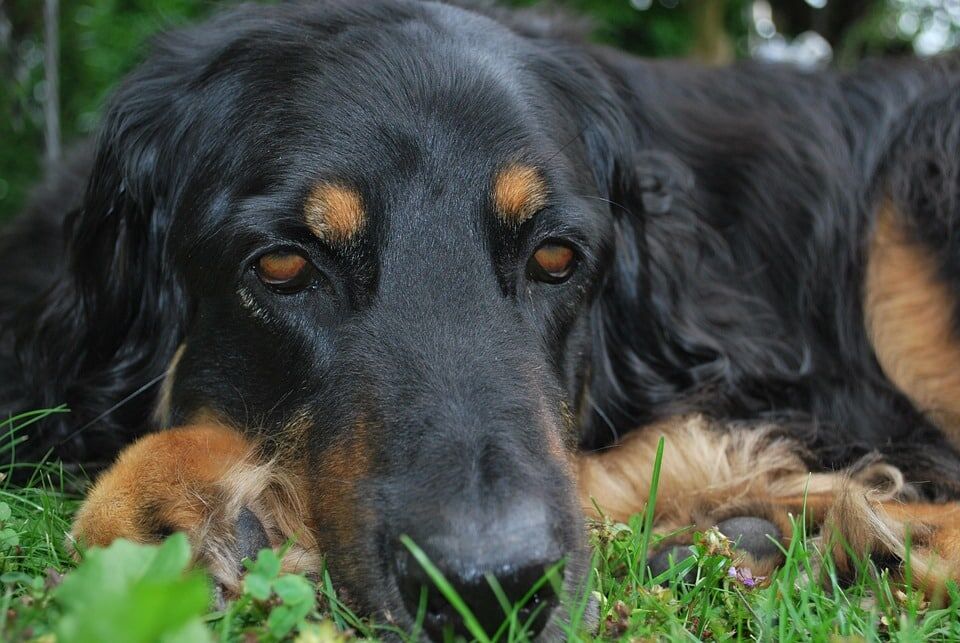
Caring for Your Hovawart: Tips for a Happy, Thriving Pup
Overview of the Hovawart Breed
The Hovawart is a medium to large dog breed known for its intelligence, loyalty, and versatility. Originating in Germany, this breed was initially developed in the Middle Ages as a guardian dog for farms. The name “Hovawart” translates to “guardian of the farm,” reflecting their protective nature. This breed is a mix of three other breeds: the German Shepherd, the Newfoundland, and the Belgian Tervuren, giving them a robust, agile build.
Temperament and Personality Traits
Hovawarts are known for their friendly disposition. They are confident and courageous but also affectionate with their families. They can be reserved around strangers, making them excellent watchdogs. This breed is intelligent and eager to please, which often translates to excellent trainability. However, they can also be independent, so consistent training and socialization from an early age are essential.
Grooming Needs
Hovawarts have a double coat that can be medium to long in length, requiring regular grooming. Brushing at least once a week, more often during shedding seasons, is crucial to prevent matting and reduce shedding around the house. Regular grooming also helps maintain healthy skin and coat.
Health Considerations
Like all breeds, Hovawarts can be prone to certain health issues, including hip dysplasia, elbow dysplasia, and certain eye problems. Regular vet check-ups, a balanced diet, and consistent exercise can alleviate many health concerns.
Suitability for Different Households
Hovawarts are best suited for active families or individuals who can provide sufficient exercise and stimulation. They thrive in environments where they can spend time outdoors, and they enjoy being included in family activities. Though they can adapt to different living conditions, they should not be left alone for long periods of time.
Tips for Training, Socializing, and Caring
-
Start Early: Begin training when your Hovawart is a puppy. Early socialization with various environments, people, and other pets will help them grow into well-adjusted adults.
-
Positive Reinforcement: Use treats, praise, and playtime to reward good behavior. This method strengthens your bond with your dog and encourages them to learn.
-
Consistency is Key: Establish clear rules and be consistent. If your Hovawart learns they can get away with something sometimes, they’ll likely continue the behavior.
-
Exercise: Hovawarts require regular, vigorous exercise. Daily walks, play sessions, and mental challenges like puzzle toys are excellent ways to keep them active.
-
Grooming Routine: Set a grooming schedule to make it a comfortable experience for both you and your Hovawart. Use this time to bond and check for skin abnormalities or parasites.
Understanding emotional support animals (ESAs)
An emotional support animal (ESA) is a pet that provides comfort and emotional stability to its owner. Unlike service dogs, which are trained to perform specific tasks for individuals with disabilities, an ESA’s primary role is to provide companionship and alleviate feelings of anxiety, depression, or loneliness.
People benefit from designating their pets as ESAs for several reasons. Having an ESA can help create a sense of security and comfort, particularly in challenging times. They can provide a non-judgmental presence that helps people feel understood and less isolated.
Mental and Emotional Health Benefits
Research shows that dogs and cats can play a significant role in improving mental health. Their presence can help decrease anxiety, reduce feelings of loneliness, and even lower blood pressure. Here are a few real-life examples:
-
Anxiety Relief: A person who struggles with social anxiety reported feeling calmer and more confident attending social gatherings when accompanied by their dog. The dog’s presence offered comfort and reassurance.
-
Support During Grief: A recently bereaved individual found solace in their cat, who would curl up next to them during difficult moments, providing emotional warmth and companionship.
-
Boosting Happiness: Interacting with pets releases oxytocin, the “love hormone,” which can enhance feelings of happiness and comfort. Many pet owners note they feel less stressed and more content simply by spending time with their pets.
Key Information
- Breed Overview: Hovawarts are intelligent, loyal, and protective dogs, requiring regular exercise and grooming.
- Training Tips: Early socialization, positive reinforcement, and consistency are essential.
- Emotional Support Animal: An ESA offers comfort and emotional stability, providing numerous mental health benefits.
How Dogs and Cats Provide Emotional Support
The bond between humans and their pets has profound psychological underpinnings. When interacting with pets, our brains release oxytocin, which promotes feelings of bonding and trust. Furthermore, pets offer unconditional love and companionship, reducing feelings of loneliness and improving emotional resilience.
People often find solace in their ESAs during stressful situations, as pets can sense their owners’ emotions. Domesticated animals respond to human cues and body language, allowing them to act as responsive companions. For instance, when a person feels anxious, their dog might come closer, providing a calming presence.
FAQs about Emotional Support Animals
-
What qualifies a pet to be an Emotional Support Animal?
- Any pet can be considered an ESA if it provides emotional support to an individual. Key aspects include the bond between the pet and owner and the emotional benefit derived from their companionship.
-
Do ESAs require special training?
- No formal training is required, but basic obedience training is beneficial. Unlike service dogs, ESAs do not have specific tasks they need to perform.
-
Can I take my ESA everywhere?
- Unlike service animals, ESAs do not have the same public access rights. Their access to certain areas depends on the policies of businesses and housing providers.
-
How do I obtain an ESA letter?
- An ESA letter can be obtained through a licensed mental health professional who will evaluate your needs and write a letter if deemed appropriate.
-
Do I need to register my ESA?
- Registration is not legally required, but having an ESA letter may be helpful in housing situations and when traveling.
Conclusion
Caring for your Hovawart means understanding its unique needs and traits. With the right training, socialization, and care routine, your Hovawart can thrive as a happy and healthy companion.
If you or someone you know is considering designating their dog or cat as an Emotional Support Animal, Veripaw.org is an excellent resource. Since 2012, they have been helping pet owners connect with licensed mental health professionals and obtain the necessary documentation for ESAs. They also provide access to high-quality pet accessories, ensuring both you and your furry friend have what you need for a comfortable life together.
Make the most of your bond with your pet, ensuring that both of you enjoy a fulfilling and supportive relationship. Explore more at Veripaw.org to begin this vital journey today!

