
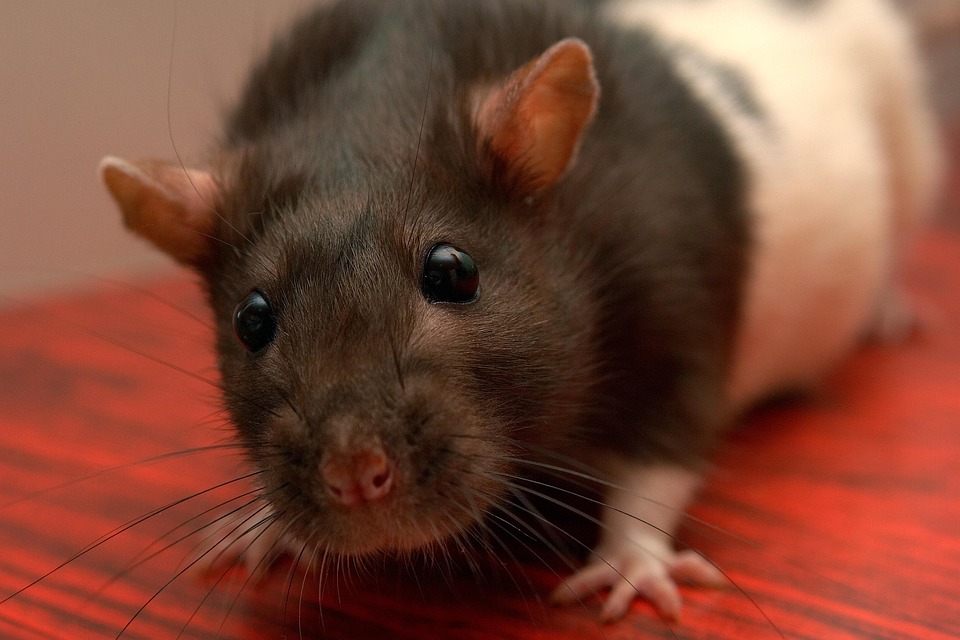
Caring for a Rat Terrier: Essential Tips for Happy, Healthy Pups
If you’re considering adding a Rat Terrier to your family, you’ve made a fantastic choice! These spirited, intelligent dogs are known for their playful personalities and strong bonds with their owners. Understanding the nuances of caring for this breed can help ensure a happy and healthy life for your furry companion.
Overview of Rat Terriers
History
The Rat Terrier descends from various breeds, including the Fox Terrier, English Bull Terrier, and even the Whippet. Initially bred in the United States in the early 20th century, their primary purpose was to hunt vermin on farms. Their agility and intelligence made them excellent companions for agriculture workers, and they soon found a place in many households across America.
Temperament and Personality Traits
Rat Terriers are known for their spirited temperament. They are energetic, intelligent, and often possess a mischievous streak. These dogs are friendly, loyal, and form deep bonds with their families. Their natural curiosity drives them to explore and play, making them excellent companions for active households. However, their intelligence also means they require mental stimulation to prevent boredom-related mischief.
Grooming Needs
Grooming a Rat Terrier is relatively easy. They have a short coat that requires simple grooming routines: brushing once a week will help remove loose hair and reduce shedding. Regular baths are only necessary when they get particularly dirty, as their coat is naturally dirt-resistant.
Health Considerations
Rat Terriers are generally healthy dogs, but like all breeds, they can be prone to certain health issues. Some common concerns include hip dysplasia, patellar luxation, and certain skin conditions. Regular check-ups with a veterinarian and maintaining a healthy diet can help mitigate these risks.
Suitability for Different Households
Rat Terriers make great pets for various households, including families with children, single individuals, and seniors. Their lively nature might not be ideal for very quiet homes, but active families will appreciate their playful energy and devotion. They thrive in environments where they can receive plenty of exercise and mental stimulation.
Essential Tips for Training and Socialization
Training
-
Start Early: Begin training as soon as you bring your Rat Terrier home. Early socialization helps your pup feel comfortable in different situations.
-
Use Positive Reinforcement: Reward-based training methods work best for this breed. Use treats, praises, or toys to motivate them.
-
Be Consistent: Consistency in commands and routines will help your dog learn quickly. Make sure all family members use the same commands.
-
Short Training Sessions: Keep training sessions brief and fun to keep your dog engaged. Aim for 5-10 minute sessions multiple times a day.
Socialization
Exposing your Rat Terrier to various environments, people, and other animals will help them become well-adjusted adults. Arrange playdates with other dogs and take trips to parks or pet-friendly stores to help them adapt to new experiences.
Understanding emotional support animals (ESA)
An emotional support animal (ESA) is a pet that provides therapeutic benefit and comfort to someone dealing with emotional issues like anxiety, depression, or PTSD. Unlike service dogs, which are trained to perform specific tasks for individuals with disabilities, ESAs provide companionship and support through their presence.
Many people benefit from designating their pet as an ESA, as the pet’s unconditional love can ease emotional burdens. With an ESA, individuals often feel less isolated and more secure, lessening feelings of anxiety and depression.
Mental and Emotional Health Benefits
Real-life examples illustrate the profound impact pets can have on mental well-being:
-
Reduced Anxiety: Many pet owners report lower levels of anxiety when they spend time with their animal. The rhythmic sound of a dog’s breathing can soothe nerves.
-
Increased Comfort: During tough times, having a pet nearby can provide a sense of stability and safety. Many individuals with PTSD find that their ESA helps them cope with triggers more effectively.
-
Improved Mood: Interacting with pets can release endorphins, promoting feelings of happiness. This effect can be significant for those experiencing depressive episodes.
Key Information
- Breed Overview: Rat Terriers are energetic, intelligent, and friendly. They thrive in active households.
- Training Tips: Use positive reinforcement and early socialization techniques for effective training.
- Grooming: Simple coat care; brush weekly and bathe as needed.
- Health: Generally healthy, but regular vet visits are important.
- Emotional Support Animals: ESAs provide companionship that can significantly help individuals deal with emotional challenges.
How Dogs and Cats Provide Emotional Support
The science behind how pets impact mental health is fascinating! Research shows that pet ownership can lower stress levels, reduce feelings of isolation, and even lower cortisol levels (the stress hormone).
Pets offer unwavering loyalty and companionship that can create a comfort zone for their owners. The mere act of petting a dog or cat can boost serotonin and dopamine levels in the brain, enhancing feelings of happiness. Furthermore, having a routine involving pet care can lend structure to a person’s day, which is especially beneficial for those dealing with anxiety or depression.
FAQs About Emotional Support Animals
-
What is the main difference between an ESA and a service animal?
- ESAs provide emotional support but do not have specific training for tasks, while service animals are trained for specific disability-related tasks.
-
Can any pet be an ESA?
- Yes, while dogs and cats are the most common, any animal can qualify if it offers emotional support.
-
Do I need a special certification for my pet to be an ESA?
- While ESAs do not require certification, obtaining documentation from a licensed mental health professional is beneficial for legal recognition.
-
Are ESAs allowed in apartments that do not allow pets?
- Under the Fair Housing Act, landlords are required to make reasonable accommodations for ESAs.
-
Can my ESA travel with me?
- In certain cases, ESAs can travel with you, but it’s essential to verify requirements, as regulations have changed.
-
Can my ESA help with my anxiety and depression?
- Yes, many individuals find comfort, companionship, and emotional support from their ESAs, which can improve symptoms of anxiety and depression.
-
Is there a fee for getting ESA documentation?
- Yes, most services, including mental health consultations and documentation, may incur costs.
-
How can I train my ESA?
- Basic obedience training can help your ESA behave well in different settings, but specialized training isn’t necessary.
Conclusion
Caring for a Rat Terrier can be an immensely rewarding experience, filled with joy and companionship. By understanding their unique needs and how to train and socialize them, you can foster a healthy and happy relationship with your furry friend.
If you’re looking to enhance your life with an Emotional Support Animal, consider visiting Veripaw.org. With years of experience since 2012, they connect pet owners with licensed mental health professionals for ESA documentation and help you access the high-quality pet accessories you need. Your furry friend could be just the support system you need for a happier, healthier life!


