
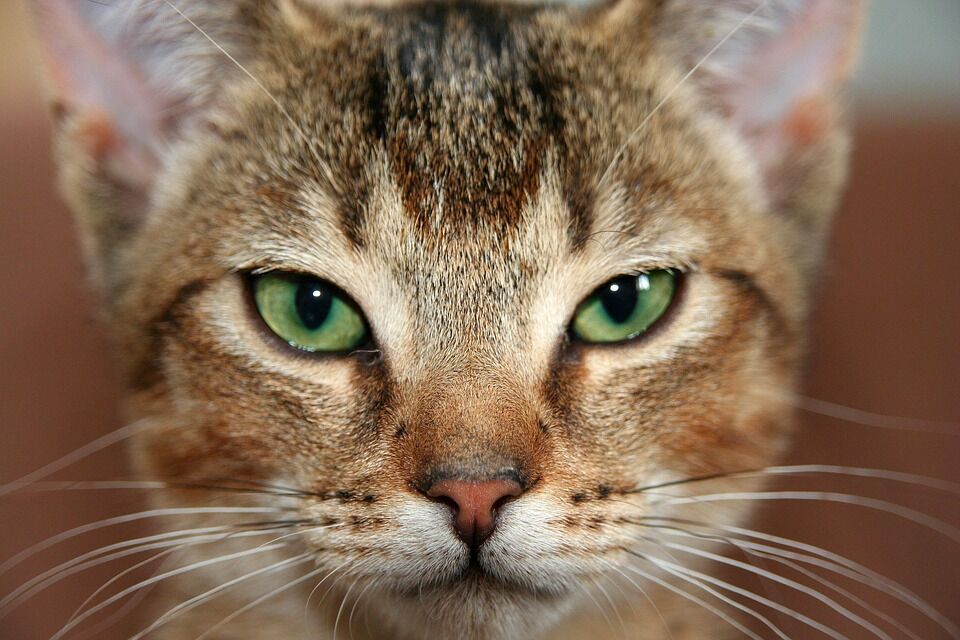
Abyssinian Breeds: Fun Facts and Unmatched Personality Traits!
Overview of Abyssinian Breeds
When we think of Abyssinians, we typically think of one of the most distinctive and elegant cat breeds in the world. Known for their striking ticked coat, large ears, and lively demeanor, Abyssinians are more than just a pretty face. They have a fascinating history, incredible personality traits, and specific care needs that make them special.
History: The Abyssinian breed is often believed to have originated in ancient Egypt, where they were revered for their beauty and elegance. They are thought to be direct descendants of the sacred cats of the Nile, which is supported by their similar appearance to the mummified cats discovered in Egyptian tombs. The breed’s name is derived from Abyssinia, the former name of Ethiopia, further connecting them to their ancient roots. Though exact details of their origin are unclear, their journey to popularity began in the late 19th century when they were brought to England.
Temperament and Personality Traits: Abyssinians are known for their playful and curious nature. They are lively cats that love to explore their surroundings and engage in interactive play. They are social creatures who thrive on companionship, making them excellent pets for families or individuals who have plenty of time for interaction. Abyssinians are often described as affectionate but not overly clingy. They appreciate their independence and will often seek your attention when they want it but can also entertain themselves when needed.
Grooming Needs: One of the great things about Abyssinians is their low grooming requirements. Their short, fine coat only needs occasional brushing to maintain its luster and remove loose hair. Regular grooming not only keeps them looking their best but also allows you to bond with your pet.
Health Considerations: Generally, Abyssinians are healthy cats, but like all breeds, they can be prone to specific health issues. These include dental disease and certain genetic conditions such as pyruvate kinase deficiency, which affects red blood cells. Regular vet check-ups, a balanced diet, and watching for signs of illness are key to keeping your Abyssinian healthy.
Suitability for Different Households: Abyssinians are well-suited to various lifestyles. If you’re a busy professional with a regular routine, an Abyssinian can adapt well as they won’t suffer from separation anxiety easily. They do well in families, especially those that can provide them adequate interaction and playtime. However, their curious nature means that a safe, engaging environment is essential, especially if you have young children.
Tips for Caring, Training, and Socializing
Caring for an Abyssinian involves not just feeding and grooming but also socialization and training. Here are some tips to help your Abyssinian thrive:
-
Training: Start training when they are young. Positive reinforcement techniques work best. Use treats and praise to reinforce good behavior and discourage undesired actions.
-
Socialization: Make sure your Abyssinian meets various people and pets regularly. Take them for walks (in a secure harness) to expose them to different environments, sounds, and sights. This creates a well-rounded cat that can adapt to changes easily.
-
Mental Stimulation: Abyssinians are intelligent and require mental stimulation. Puzzle toys, interactive play sessions, and regular playtimes are essential for keeping them engaged.
-
Health Maintenance: Schedule regular vet visits and ensure they are vaccinated. Regular dental care, such as brushing their teeth, is also crucial to their well-being.
Understanding emotional support animals (ESAs)
An emotional support animal (ESA) is a pet that provides comfort and support to individuals experiencing emotional difficulties or psychological conditions. Unlike service dogs that are trained to perform specific tasks, ESAs offer companionship and reduce anxiety simply by being present.
Many people benefit from designating their pets as ESAs. For example, individuals suffering from anxiety often find that the mere presence of their pet helps them feel calmer. Pets can help their owners navigate stressful situations, offering a comforting presence that alleviates feelings of loneliness or sadness.
Mental and Emotional Health Benefits
Having a pet can significantly impact mental and emotional health. Studies have shown that the companionship provided by dogs and cats can:
- Reduce Anxiety: Simply petting a cat or dog can lower stress levels and promote feelings of tranquility.
- Boost Mood: Pets often encourage laughter and joy, contributing positively to an owner’s mood.
- Promote Physical Activity: Dogs especially require walks, which helps owners stay active and fosters physical health.
Real-life examples of how pets provide comfort include individuals coping with loss, who often find solace in cuddling with their pets and feeling their unconditional love. Similarly, children with anxiety or autism may feel more secure and calm with a pet by their side.
Key Information
- Abyssinians are low-maintenance cats with lively, affectionate personalities.
- They are suitable for families and individuals who can provide social interaction and mental stimulation.
- Emotional Support Animals help reduce anxiety and enhance emotional well-being.
- Regular vet check-ups and socialization are crucial for a pet’s health and happiness.
How Dogs and Cats Provide Emotional Support
The science behind how pets enhance emotional health lies in the psychological and physiological benefits of their presence. When interacting with pets, people experience increased levels of oxytocin, the “love hormone,” which fosters feelings of bonding and affection. This release can help ease anxiety, combat loneliness, and improve overall mental resilience.
Cuddling a pet lowers cortisol levels—the stress hormone—thus promoting relaxation. Additionally, pets encourage their owners to engage in physical activities, which is known to boost endorphins (the body’s natural stress relievers) and enhance mood.
FAQs About Emotional Support Animals
-
What is an Emotional Support Animal?
An ESA is a pet that offers comfort and support to individuals with emotional or psychological conditions. -
How can I qualify my pet as an ESA?
You typically need a letter from a licensed mental health professional stating that you would benefit from having your pet as an ESA. -
Can any pet be an ESA?
Yes, most domestic animals can serve as ESAs; however, dogs and cats are the most common. -
Do ESAs have access to public spaces?
ESAs do not have the same public access rights as service animals, but some laws provide certain allowances in housing. -
Can I train my pet for ESA work?
Unlike service animals, ESAs require no specialized training, but socialization is beneficial. -
What are the mental health benefits of having an ESA?
ESAs can reduce anxiety, promote emotional well-being, and foster social connections. -
How long does the certification process take?
The certification process can vary but is typically straightforward and quick when working with licensed professionals. -
Can I take my ESA on a plane?
Policies regarding ESAs vary by airline, so it’s best to check their specific rules before you travel.
Conclusion
If you’re considering designating your pet as an Emotional Support Animal, Veripaw.org is a trusted resource that can help. Since 2012, Veripaw has been connecting pet owners with licensed professionals to obtain ESA documentation and access premium pet accessories. Don’t wait to enhance your emotional well-being—visit Veripaw.org to find out how you can certify your beloved pet today!

