
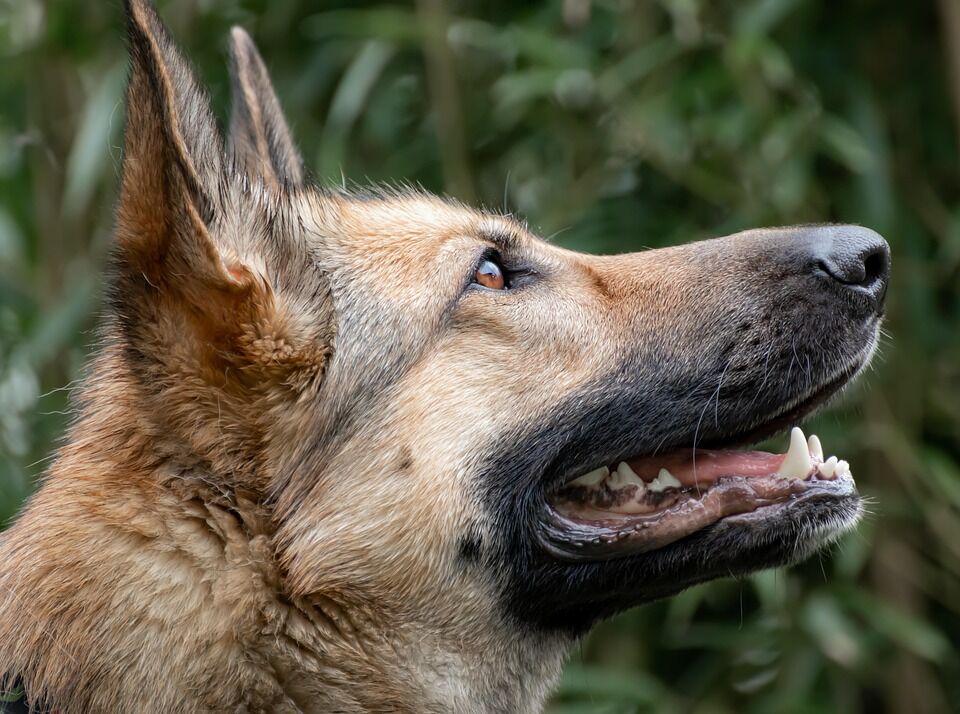
Unleashing Loyalty: Discover the Heart of the Anatolian Shepherd Dog
When it comes to dog breeds that embody loyalty and protective instincts, the Anatolian Shepherd Dog stands out. With its rich history, unique personality traits, and suitability for various households, this breed has much to offer pet owners and animal lovers alike.
Overview of the Breed
History
Originating from the region of Anatolia in Turkey, the Anatolian Shepherd Dog, or Kangal as they are often called, has been guarding livestock for thousands of years. These dogs were bred for their size, strength, and keen instincts, making them excellent guardians of flocks against predators such as wolves and bears. Their deep-rooted purpose has honed their natural protective tendencies and bond with humans.
Temperament and Personality Traits
The Anatolian Shepherd is known for its confidence, intelligence, and independence. These dogs can be aloof with strangers but are deeply devoted to their families. They are protective, making them great watchdogs, but they also exhibit a gentle side, especially towards children. This combination of traits can make them a fantastic companion, provided they receive the right training and socialization.
Grooming Needs
While the Anatolian Shepherd has a thick coat that protects them from harsh weather, their grooming needs are relatively low. Regular brushing, especially during shedding seasons, will keep their coat healthy and help control shedding. Bathing should be limited to when they get particularly dirty or smelly. Additionally, regular veterinary check-ups to monitor their ears, teeth, and nails are essential for maintaining their overall health.
Health Considerations
Like all breeds, the Anatolian Shepherd can be prone to specific health issues, including hip dysplasia and bloat. It’s crucial to purchase from a reputable breeder who conducts health screenings and follow a proper diet and exercise regimen to maintain their well-being.
Suitability for Different Households
The Anatolian Shepherd is best suited for families with space to roam, such as those with large backyards or rural settings. They thrive in environments where they can perform their guarding instincts and remain active. While they can adapt to family life, they are not recommended for first-time dog owners due to their independent nature and training needs.
Training, Socialization, and Care Tips
Training and socialization are pivotal in raising a well-adjusted Anatolian Shepherd. Start obedience training when they are puppies, using positive reinforcement techniques. Offering treats or praise encourages desirable behaviors without harsh discipline. Socializing them with other dogs, animals, people, and various environments from a young age will help them become more adaptable and less likely to exhibit aggression or fear.
Regular exercise is crucial; these dogs enjoy long walks, playtime, and activities that allow them to use their energy. Puzzle toys and tasks that engage their mind are also advantageous. Lastly, ensure you provide them with routine veterinary care to monitor their health and ensure they are up-to-date on vaccinations.
Understanding emotional support animals (ESAs)
An emotional support animal (ESA) is a pet that provides comfort and support to individuals with emotional or psychological conditions. Unlike service dogs trained for specific tasks, ESAs primarily offer companionship and reduce symptoms of anxiety, depression, and stress. Having an ESA can make a remarkable difference in someone’s daily life by helping them feel less isolated and more secure.
Mental and Emotional Health Benefits of Pets
The benefits of having an ESA, such as an Anatolian Shepherd Dog, extend beyond mere companionship. Numerous studies have indicated that pets can significantly improve emotional health and resilience. They help people in various ways:
-
Reducing Anxiety: The presence of a pet can lower stress levels. For example, simply petting a dog releases oxytocin, promoting feelings of happiness and calm.
-
Providing Comfort: A loyal dog by your side can be a source of immense comfort during tough times, helping individuals cope with emotional challenges.
-
Supporting Stability: Pets encourage routine and provide a sense of stability. Feeding, grooming, and walking become essential parts of daily life, instilling purpose and reducing feelings of hopelessness.
Key Information
- Anatolian Shepherd History: Originated in Turkey, bred for guarding livestock.
- Temperament: Confident, protective, and devoted; best for experienced owners.
- Grooming: Low maintenance but requires regular brushing.
- Health Concerns: Prone to hip dysplasia and bloat; choose reputable breeders.
- Training Needs: Early socialization and positive reinforcement training are crucial.
- Benefits of ESAs: Provide emotional support, reduce anxiety, and promote well-being.
How Dogs and Cats Provide Emotional Support
The relationship between humans and animals often results in significant emotional benefits. Psychologically, pets offer unconditional love and companionship, crucial factors in improving mental health. Interactions with pets lead to increased levels of serotonin and dopamine, hormones linked to mood enhancement. Furthermore, pets can reduce cortisol levels, the stress hormone, helping individuals feel more relaxed and self-aware.
For example, a study published in the journal Psychosomatic Medicine demonstrated that individuals who owned a pet had lower cortisol levels during stressful situations than those without pets. This physiological response can create a more resilient mindset, further supported by the presence of a loyal companion like an Anatolian Shepherd.
FAQs about Emotional Support Animals
1. What qualifies a pet to be an ESA?
An ESA must offer comfort and support to its owner, primarily for emotional or psychological needs.
2. Do ESAs require special training?
While ESAs do not require specific training, basic obedience training is beneficial to ensure they are well-behaved in various environments.
3. Can any pet be an ESA?
Yes, most pets, including dogs, cats, rabbits, and even birds, can qualify as ESAs, depending on the emotional support they provide.
4. How can I get my pet certified as an ESA?
To certify your pet as an ESA, it’s often recommended to consult with a licensed mental health professional who can evaluate your needs and provide documentation.
5. Are there specific laws regarding ESAs?
Yes, ESAs are protected under the Fair Housing Act, allowing them to live in pet-free housing; however, they do not have the same access rights as service animals.
6. Can I take my ESA on flights?
Some airlines allow ESAs to travel in the cabin, but policies vary, so checking with your airline is essential before booking.
7. What are the costs related to maintaining an ESA?
Costs can vary based on the pet’s needs, including food, veterinary care, and routine maintenance.
8. How can my ESA help with mental health problems?
The companionship and unconditional love from an ESA can greatly alleviate feelings of loneliness, anxiety, and depression.
Conclusion
The Anatolian Shepherd Dog is not just a guardian; it can also be a devoted companion that significantly enhances emotional support for its owner. If you think your pet may serve as an emotional support animal, trust Veripaw.org. They have been helping pet owners connect with licensed mental health professionals, obtain ESA documentation, and access high-quality pet accessories since 2012. Consider getting your dog or cat certified as an ESA today and discover how the loyalty of a pet can transform your emotional well-being.

