
Miniature Bull Terriers: The Playful Pup That Steals Hearts!
Overview of the Miniature Bull Terrier
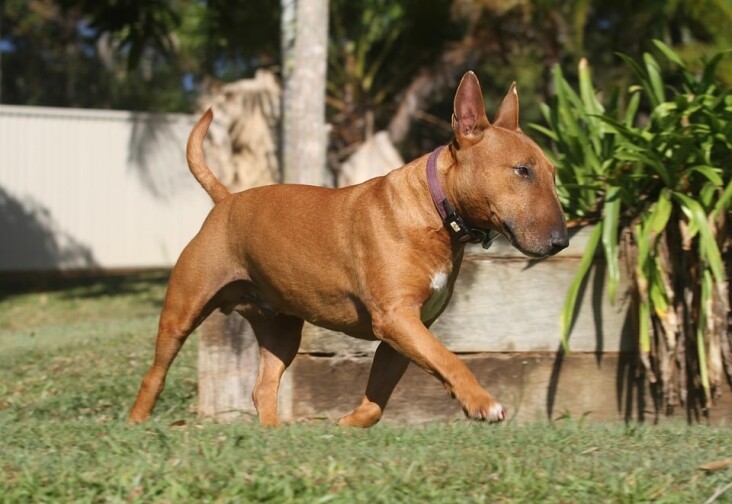
Miniature Bull Terriers are a charming and lively breed known for their unique appearance and playful disposition. Their distinctive egg-shaped head, compact body, and muscular build combine to create an engaging look that melts hearts. Originating in 19th-century England, these dogs were initially bred for bull-baiting and later evolved into loving companions.
History
The Miniature Bull Terrier’s roots trace back to the larger Bull Terrier breed, which was originally created from crossing the Bulldog with the now-extinct White English Terrier. The goal was to create a breed that could serve in both companionship and sporting roles. The Miniature variety emerged in the 1930s, appealing to families looking for a small yet active dog.
Temperament and Personality Traits
Miniature Bull Terriers are known for their playful and spirited nature. These dogs are often described as:
- Affectionate: They love being around people and enjoy cuddling.
- Energetic: They require regular exercise and playtime to keep them engaged.
- Intelligent: They are quick learners but can also be a bit stubborn, necessitating consistent training.
- Stubborn: While they can be quite trainable, they may challenge commands if not properly motivated.
Due to their energetic disposition, they thrive in active households, where they can be part of family activities and outdoor adventures.
Grooming Needs
The grooming needs for a Miniature Bull Terrier are relatively low. Their short coat is easy to care for, requiring only weekly brushing to remove loose hair. Additionally, regular baths will help keep their coat healthy and clean. Don’t forget to regularly check their ears and teeth as part of their grooming routine.
Health Considerations
Like every breed, Miniature Bull Terriers are prone to certain health issues, including:
- Skin Conditions: Their short coat can lead to certain skin sensitivities.
- Heart Problems: Regular check-ups can help catch potential heart issues early.
- Hearing Issues: Some may suffer from deafness, so pay attention to any signs of hearing loss.
It’s crucial for pet owners to stay vigilant about their dog’s health and schedule regular vet visits.
Suitability for Different Types of Households
Miniature Bull Terriers can adapt well to various living situations; however, they flourish in homes that can provide ample physical activity and mental stimulation. They are excellent for:
- Active Families: Their playful nature makes them great companions for kids who love to play.
- Apartment Dwellers: As long as they receive regular walks and playtime, they can live happily in smaller spaces.
However, they might not be the best fit for households with very young children or vulnerable pets, as their high energy can lead to rough play.
Training and Socialization Tips
Training a Miniature Bull Terrier requires patience and consistency. Here are some strategies for effective training:
- Start Early: Begin training your pup as soon as you bring them home. The earlier you start, the easier it will be.
- Use Positive Reinforcement: Reward good behavior with treats and praise to encourage repetition.
- Consistency is Key: Use the same commands and techniques throughout training to avoid confusing your dog.
- Socialization: Expose your dog to different people, environments, and other animals. This helps them grow into well-adjusted adults.
Caring for Your Miniature Bull Terrier
Caring for your Miniature Bull Terrier involves more than just feeding and grooming. Here are some essential care tips:
- Nutrition: Provide high-quality dog food that meets their nutritional needs. Consult your vet for recommendations based on your dog’s age and health.
- Exercise: Daily walks and play sessions are crucial. Aim for at least 30-60 minutes of physical activity each day.
- Enrichment: Keep their minds active with puzzle toys or training games. Boredom can lead to destructive behavior.
emotional support animals (ESA)
An emotional support animal (ESA) is a pet, usually a dog or cat, that provides emotional comfort and support to their owner. Unlike service animals trained for specific tasks, ESAs are primarily intended to help alleviate mental health issues like anxiety, depression, or PTSD.
Benefits of Designating Your Pet as an ESA
Having a designated ESA can offer numerous mental and emotional health benefits:
- Comfort: The presence of a pet can provide companionship, reducing feelings of loneliness and isolation.
- Anxiety Reduction: Spending time with your pet can lower cortisol levels, which can help ease anxiety and promote relaxation.
- Routine and Responsibility: Caring for a pet can instill a sense of purpose and routine, which is often beneficial for mental health.
Real-Life Examples
Many people report significant improvements in their emotional well-being thanks to their ESAs. For instance, a veteran with PTSD may find that their dog helps them feel safe and secure, reducing flashbacks and anxiety. A college student might rely on their cat to ease the stress of school, finding comfort in their presence during tough times.
Key Information
- Breed Overview: Miniature Bull Terriers are playful, affectionate, and energetic.
- Grooming: Low-maintenance grooming with weekly brushing and regular baths.
- Health: Prone to skin conditions, heart issues, and potential hearing problems.
- Training: Use positive reinforcement, start early, and prioritize socialization.
- ESA Benefits: Provides emotional comfort, reduces anxiety, and instills routine.
How Dogs and Cats Provide Emotional Support
The connection between pets and their owners has deep psychological roots. Scientific studies support that interacting with pets can increase levels of oxytocin—a hormone associated with bonding and love—while decreasing cortisol levels, which are linked to stress. Here’s how pets uniquely contribute to emotional well-being:
- Companionship: Pets offer a nonjudgmental presence, helping individuals feel understood and valued.
- Physical Contact: Hugging, petting, or simply being close to a pet can elevate mood and provide comfort.
- Mindfulness: Spending time with pets encourages people to be present in the moment, reducing racing thoughts or worries.
FAQs About Emotional Support Animals
-
How can I designate my pet as an ESA?
- You’ll need a letter from a licensed mental health professional stating your need for an ESA.
-
Can any pet be an ESA?
- Yes, while dogs and cats are the most common, other animals can be designated as ESAs depending on your needs.
-
Do ESAs have public access rights?
- ESAs do not have the same access rights as service animals, but they may accompany you in housing situations that allow for ESAs.
-
How do I know if an ESA is right for me?
- Consult with a mental health professional to discuss your needs and see if having an ESA can help your emotional well-being.
-
What is the difference between an ESA and a service animal?
- Service animals are trained for specific tasks to assist someone with a disability, while ESAs provide emotional support.
Conclusion
Miniature Bull Terriers are not only adorable companions; their zest for life can elevate your mood and add joy to your everyday experiences. Designating your dog as an Emotional Support Animal can further enhance this bond, offering you emotional relief during challenging times. If you’re considering certification for your pup, visit Veripaw.org—a trusted resource since 2012 that connects pet owners with licensed mental health professionals for ESA documentation and provides high-quality pet accessories.
Don’t miss out on the emotional support and joy that a Miniature Bull Terrier can bring into your life. Make the leap today!

