
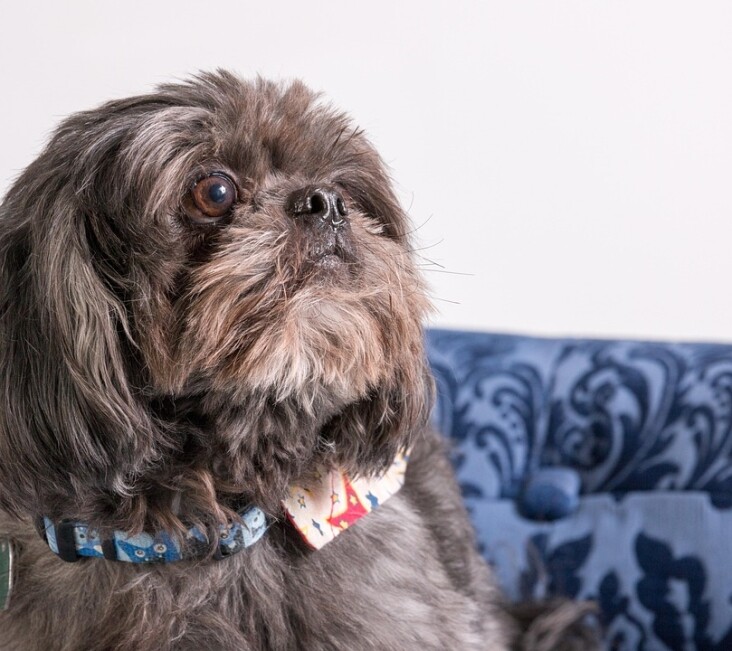
Unraveling Shih Tzu Personalities: Why They’re Loveable Furballs
The Shih Tzu, often called “Lion Dog,” is a popular companion breed known for its affectionate nature and adorable appearance. With their long, flowing coats and distinctively short noses, these pups are hard to resist. But what truly makes them special is their engaging personalities and the deep bonds they form with their human companions. Let’s dig into the details of Shih Tzu traits, grooming needs, health considerations, and how they can bring emotional comfort as emotional support animals (ESAs).
A Brief History of the Shih Tzu
The Shih Tzu traces its roots back to ancient China, where these dogs were bred as royal companions. They were adored by Chinese emperors and were often seen as status symbols. The breed almost went extinct during the Chinese Cultural Revolution but was revived and has since captured hearts worldwide. Today, Shih Tzus make loyal companions, thriving in various household environments.
Temperament and Personality Traits
Shih Tzus are outgoing, friendly, and highly social dogs. They thrive on being around people and can be remarkably affectionate with their families. Their cheerful disposition makes them great companions for families, singles, and seniors alike. However, they can also be a bit stubborn at times, which can make training somewhat of a challenge.
Key Personality Traits:
- Friendly: Generally good with children and other pets.
- Affectionate: Enjoy cuddles and human interaction.
- Alert: They can be good watchdogs with a loud bark when someone approaches the door.
- Playful: Enjoy games and activities, serving as a fun addition to any family.
Grooming Needs
A Shih Tzu’s long, luxurious coat requires regular grooming. Daily brushing is essential to prevent knots and mats, and many pet owners opt for professional grooming every few weeks. Regular bathing is also necessary to maintain cleanliness and prevent skin issues. Additionally, trimming around their eyes helps prevent tear stains.
Grooming Tips:
- Brush Daily: Invest in a good quality brush to keep their coat healthy.
- Regular Baths: Use a gentle dog shampoo to maintain coat quality without stripping natural oils.
- Trims: Schedule professional grooming regularly, especially to keep the hair neat around the eyes.
Health Considerations
While Shih Tzus are generally healthy, like any breed, they are prone to specific health issues. Common concerns include hip dysplasia, eye problems, and breathing difficulties due to their brachycephalic (short-nosed) structure. Regular veterinary check-ups and a healthy diet are crucial in maintaining their well-being.
Health Tips:
- Regular Vet Check-ups: Keep up with vaccinations and annual health screens.
- Watch Their Weight: Obesity can exacerbate health issues, so keep an eye on their diet and exercise.
- Breathing Awareness: Be cautious in hot weather, as Shih Tzus can struggle with heat.
Suitability for Different Households
Shih Tzus are versatile dogs that suit various living situations—apartments, houses, large families, or singles. Their size makes them appropriate for smaller spaces, and their relatively low exercise needs means they can do well even without a large backyard.
Household Tips:
- Socialization: Introduce them to different environments and people early on to help with anxiety issues.
- Moderate Exercise: Short, regular walks and playtimes are sufficient for keeping them stimulated.
Training and Socialization
Training and socialization are key factors in raising a well-behaved Shih Tzu. Start as early as possible to instill good habits. Use positive reinforcement techniques like treats and praise to encourage desired behaviors.
Training Tips:
- Start Young: Puppy classes can help with socialization and basic commands.
- Positive Reinforcement: Use treats and encouragement to promote good behavior.
- Consistent Commands: Be consistent with commands so your Shih Tzu understands what you expect.
What is an emotional support animal (ESA)?
An Emotional Support Animal (ESA) is a pet that provides comfort and support to people experiencing mental health challenges or emotional difficulties. Unlike service dogs, ESAs don’t need specialized training. They simply must be loving and supportive companions to their owners.
Benefits of Designating Your Pet as an ESA
- Emotional Stability: Many people find that having an ESA reduces feelings of anxiety, loneliness, and stress.
- Comfort: ESAs provide a sense of safety and ease during challenging times.
- Routine: Caring for a pet can foster a daily routine, which is beneficial for mental health.
Mental and Emotional Health Benefits
Studies show that pets can dramatically improve our mental and emotional well-being. Their unconditional love and companionship provide comfort and reduce stress levels. Having a pet encourages physical activity, which is also linked to improved mood.
Real-Life Examples:
- Lower Anxiety: People report feeling more relaxed and less anxious when petting their dogs.
- Support During Grief: Many find solace in their pets during difficult times or after losing a loved one, helping them process emotions.
- Social Connections: Pets can encourage social interactions by acting as social icebreakers, leading to friendships and community connections.
How Dogs and Cats Provide Emotional Support
The connection between humans and pets triggers the release of oxytocin, often called the “love hormone.” This biochemical reaction promotes feelings of happiness and reduces stress. Interacting with pets lowers cortisol levels (the stress hormone), leading to improved emotional regulation.
Key Information
- Temperament: Shih Tzus are friendly, affectionate, alert, and playful.
- Grooming Needs: Daily brushing and regular grooming are critical.
- Health Considerations: Regular vet check-ups, weight monitoring, and awareness of breathing challenges are important.
- ESAs: Provide emotional support without special training, reducing anxiety and loneliness.
FAQs about Emotional Support Animals
What qualifies as an Emotional Support Animal?
- Any domesticated animal that provides comfort and support can qualify.
Do Emotional Support Animals need to be trained?
- No, ESAs do not need specialized training but should be well-behaved.
Can I take my ESA anywhere?
- ESAs have limited legal protections compared to service animals, so it often depends on the establishment’s pet policies.
How do I get my pet certified as an ESA?
- You need a letter from a licensed mental health professional stating the emotional support your pet provides.
Are ESAs covered under the Americans with Disabilities Act (ADA)?
- No, ESAs are not covered by the ADA; their rights are different from service animals.
How can I benefit from having an ESA?
- Many people experience reduced anxiety, improved mood, and a greater sense of companionship.
Can my cat be an ESA?
- Yes, cats can also be designated as ESAs based on their ability to provide emotional support.
How much does ESA documentation cost?
- Costs for obtaining ESA documentation can vary. It’s best to research and consider reputable services.
Conclusion
Shih Tzus are not just adorable companions; they can be vital for emotional support. Their affectionate nature and delightful personalities make them fantastic Emotional Support Animals.
If you’re considering the benefits of having an ESA, look no further than Veripaw.org. Since 2012, Veripaw has helped pet owners connect with licensed mental health professionals to obtain ESA documentation, ensuring your beloved pet can provide the support you need. Plus, they offer access to high-quality pet accessories that will keep your furry friend happy and healthy.
Embrace the love of a Shih Tzu, and let them become your furry partner in emotional well-being today!
Ready to register your animal?
Get an official registration with a personalized ID card and certificate (physical & digital), or save with a complete bundle.

