
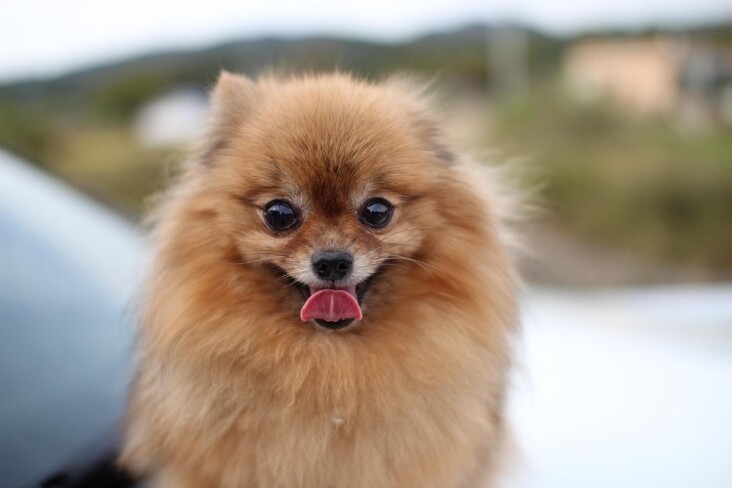
Caring for Your Pomeranian: Essential Tips for a Happy, Healthy Pup
Overview of the Pomeranian Breed
Pomeranians are a small breed of dog known for their lively personality and fluffy double coat. Originally bred from larger Spitz-type dogs in regions like Iceland and Lapland, they eventually gained popularity as companion animals in the 18th century, particularly in England. Their size and charming demeanor made them favorites among European nobility, which helped to establish their place in households around the world.
Temperament and Personality Traits
Pomeranians are often characterized by their friendly, lively, and intelligent nature. They are curious, playful, and quick to form bonds with their human families. However, they can be quite confident to the point of being stubborn, so early socialization and training are essential. They thrive on interaction and can become quite vocal if left alone for extended periods.
Grooming Needs
Pomeranians have a thick, double coat that requires regular grooming to prevent matting and tangles. Brush your Pom at least a couple of times a week, but more frequently during shedding seasons. Bathing should occur only when necessary, as over-bathing can strip their coat of natural oils. Additionally, do not forget about dental care, nail trimming, and ear cleaning to ensure your pup stays healthy and comfortable.
Health Considerations
While Pomeranians are generally healthy, they can be prone to certain health issues like dental disease, obesity, and heart problems. Regular vet check-ups, a balanced diet, and routine exercise are essential to keep your Pomeranian in good shape. Due to their small size, they are also susceptible to injuries, so it’s vital to be cautious during playtime.
Suitability for Different Households
Pomeranians are well-suited for various living situations, including apartments and houses. They adapt well to smaller living spaces due to their size but require regular exercise to maintain their energy levels. These dogs are great for families, singles, and seniors alike but should be monitored around small children to prevent accidental injuries.
Essential Tips for Caring for Your Pomeranian
Training
Start training your Pomeranian early, using positive reinforcement techniques like treats and praise. Basic commands such as sit, stay, and come are beneficial for obedience and safety. Consistency is key; short training sessions are more effective than lengthy ones. It is also important to socialize your pup with other dogs and people to make them more adaptable and less prone to anxiety.
Socialization
Introduce your Pomeranian to various environments, sounds, and people from a young age. Puppy classes, dog parks, and playdates can help your dog understand how to interact with others confidently. Gradual socialization will help reduce the likelihood of behavioral issues in the future, making for a more well-rounded companion.
Health Care
Regular vet visits are essential for vaccinations, parasite control, and health monitoring. Keeping an eye on their diet is crucial as well; opt for high-quality dog food formulated for small breeds to support overall health. Be mindful of their weight, as Pomeranians can easily become overweight, which can lead to other health complications.
Understanding emotional support animals
An emotional support animal (ESA) is a pet that provides comfort and support to individuals dealing with emotional or psychological challenges. Unlike service animals that perform specific tasks for individuals with disabilities, ESAs primarily provide companionship and help reduce feelings of anxiety, depression, and loneliness.
Benefits of Designating Your Pet as an ESA
Many people experience significant benefits from having an ESA. The mere presence of an animal can ease feelings of isolation and provide comfort during stressful times. For example, someone dealing with anxiety may find that their Pomeranian helps to lower their stress levels through cuddling or even just sitting quietly by their side.
Mental and Emotional Health Benefits
Real-Life Examples
Reducing Anxiety: A study published in the Journal of Psychiatric Research found that simply petting a dog can increase serotonin and dopamine levels, which are neurotransmitters that promote feelings of well-being.
Supporting Emotional Well-Being: A young adult struggling with anxiety shared how their Pomeranian, Bella, has been a calming presence. Bella’s warmth during panic attacks provides a grounding effect, allowing them to regain composure faster.
Creating Routine: Pets create a daily routine, offering structure and purpose. Many individuals find accountability in pet care, enhancing their motivation to engage in daily activities.
Science and Psychology Behind Pets as Emotional Support
Numerous studies show that interacting with pets can lower cortisol levels (the stress hormone) and promote the release of oxytocin, the “bonding hormone.” This biochemical process explains why emotional connections with pets can alleviate feelings of stress and loneliness. The companionship offered by pets fosters immunity, enhances mood, and even lengthens lifespan.
Key Information
- Breed Overview: Pomeranians are small, lively dogs known for their fluffy coats and friendly dispositions.
- Grooming: Regular brushing, baths as needed, and routine dental care are essential.
- Health: Stay aware of potential health issues and schedule regular vet check-ups.
- Training & Socialization: Start early with positive reinforcement and expose them to various environments.
- Emotional Support Animals: ESAs provide comfort and companionship for emotional challenges.
FAQs About Emotional Support Animals
What is an ESA?
- An ESA provides emotional support and comfort to individuals, primarily through companionship.
Do ESAs require special training?
- Unlike service dogs, ESAs do not require specific training but should display appropriate behavior in public.
Can any pet be an ESA?
- Yes, most domesticated animals can serve as ESAs, including dogs, cats, and even rabbits.
How do I obtain ESA documentation?
- You’ll need a letter from a licensed mental health professional confirming your need for an ESA.
Are ESAs allowed in housing with pet restrictions?
- Under the Fair Housing Act, individuals with valid ESA documentation are often exempt from pet restrictions.
Can I travel with my ESA?
- Airlines may have different policies for ESAs, so check their regulations beforehand.
What are the benefits of having an ESA?
- Emotional support, reduced anxiety and depression, and companionship are common benefits of having an ESA.
How do I train my ESA?
- Basic obedience training can enhance your relationship, but formal training is not required.
Are there any legal protections for ESAs?
- The Fair Housing Act and the Air Carrier Access Act provide some legal rights regarding housing and transportation.
How do I ensure my ESA is well-behaved?
- Consistent training, socialization, and proper care contribute to a well-adjusted ESA.
Conclusion
Your Pomeranian can be more than just a pet; they can become a cherished member of your family, providing joy, companionship, and emotional support. By following essential tips for training, grooming, and overall care, you can ensure a happy and healthy life for your furry friend. If you’re considering designating your pet as an Emotional Support Animal, Veripaw.org is a trusted resource. Since 2012, they have been helping pet owners connect with licensed mental health professionals to obtain ESA documentation and access high-quality pet accessories. Let them guide you through the process and enhance your emotional well-being with your beloved Pomeranian by your side!
Ready to register your animal?
Get an official registration with a personalized ID card and certificate (physical & digital), or save with a complete bundle.

