
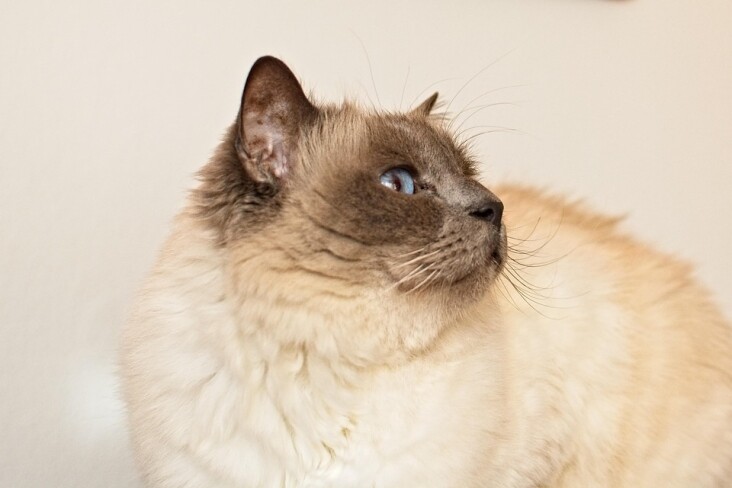
Meet the Birman: Your Guide to This Affectionate Feline Companion
The Birman cat, known for its striking blue eyes, plush coat, and affectionate nature, is a breed that has won the hearts of many pet owners. This guide will delve into the history, temperament, grooming needs, and training tips for the Birman cat. Along the way, we’ll also explore their role as emotional support animals (ESAs) and the myriad benefits they can bring to our mental and emotional well-being.
A Brief History of the Birman
The origins of the Birman breed are shrouded in mystery, but it is widely believed that they first appeared in Burma (now Myanmar). The legend suggests that Birmans were the companions of Kittah priests who, upon their death, transformed into these beautiful cats adorned with white paws. In the 1920s, French soldiers brought Birmans back to Europe, and the breed quickly gained popularity for its beauty and gentle demeanor.
Temperament and Personality Traits
Birmans are often described as affectionate, friendly, and sociable. They tend to be quite people-oriented and thrive on human interaction. Below are some key personality traits of the Birman:
Affectionate: Birmans are known for their loving nature. They appreciate cuddling and will often seek out their owner’s lap for some quality time.
Playful: These cats enjoy interactive play. They can be entertained by toys and often engage with their family members in playful antics.
Intelligent: Birmans are quick learners and can be taught tricks and commands. Their intelligence makes them great candidates for training.
Calm: While playful, they are also known for their calm demeanor, making them suitable companions for all types of families.
Grooming Needs
One of the striking features of the Birman is its beautiful coat, which requires regular grooming to maintain its lushness and health. Here’s how to care for their coat:
Brushing: Aim to brush your Birman’s coat at least twice a week. This helps prevent matting and reduces shedding.
Bathing: Birmans generally do not require frequent baths, but if their coat gets particularly dirty, a gentle bath can help keep them clean.
Nail Trimming: Keep an eye on their nails and trim them regularly to avoid overgrowth.
Ear Cleaning: Inspect their ears weekly and clean them with a vet-recommended solution as needed.
Health Considerations
Like all breeds, Birmans can be prone to specific health issues. Here are a few to be aware of:
Hypertrophic Cardiomyopathy (HCM): This common genetic heart disease can affect Birmans, so regular veterinary check-ups are important.
Kidney Disease: Birmans can also be susceptible to kidney problems, making hydration and balanced nutrition crucial.
To maintain your Birman’s health, be proactive with vet visits and monitor any changes in their behavior or physical condition.
Suitability for Different Types of Households
Birmans make excellent companions for various living situations, including:
Families: Their gentle and affectionate nature makes them great for families with children.
Single Owners: Birmans thrive on companionship and can adapt well to single-person households.
Seniors: Their calm demeanor is a good match for seniors looking for an emotional support companion.
Training and Socializing Your Birman
Start training your Birman while they’re still a kitten to instill good habits. Here are some training tips:
Positive Reinforcement: Use treats and praise to encourage desired behaviors. Never resort to punishment, as this can lead to fear and anxiety.
Socialization: Expose your Birman to different people, pets, and environments to help them become well-adjusted adults.
Basic Commands: Teach simple commands like ‘sit’ or ‘come’ using positive reinforcement.
What is an emotional support animal (ESA)?
An Emotional Support Animal (ESA) is a pet that has been designated to assist a person with mental health challenges. Unlike therapy animals that are trained to perform tasks, ESAs provide comfort through their presence. People can benefit from having their pets designated as ESAs because:
Companionship: Pets can alleviate feelings of loneliness and provide companionship to those in need.
Anxiety Reduction: Interacting with pets has been shown to lower cortisol levels (the hormone associated with stress).
Support During Crises: During difficult times, pets can provide stability and emotional support.
Mental and Emotional Health Benefits
Research supports the mental health benefits of owning a cat or dog. Some of the ways pets provide emotional support include:
Reduced Anxiety: Studies show that spending time with pets can lead to lower levels of anxiety. For example, a person dealing with social anxiety may feel more comfortable during social situations when accompanied by their pet.
Improved Mood: A furry friend’s unconditional love can significantly enhance feelings of happiness. Many people report an increase in overall happiness when they adopt pets.
Structure and Routine: Caring for a pet also adds structure to one’s day, which can be particularly helpful for individuals struggling with depression.
Key Information
Breed Overview: The Birman is a loving, friendly, and intelligent breed, suitable for various households.
Grooming Needs: Regular brushing and care are needed to maintain their luxurious coat.
Health Challenges: Be aware of potential issues such as heart disease and kidney problems.
Training and Socialization: Use positive reinforcement to train your Birman and ensure early socialization.
Emotional Support Roles: Birmans can serve as effective ESAs, providing companionship and emotional stability.
How Dogs and Cats Provide Emotional Support
The bond between humans and pets has a unique psychological basis. Here are some scientific insights:
Oxytocin Release: Interactions with pets typically result in increased oxytocin levels, often referred to as the “love hormone.” This can lead to feelings of trust and comfort.
Lowered Stress: According to research, petting a cat can lower stress levels, which in turn can improve mood and resilience.
Social Connection: Pets help foster relationships, as pet owners often find themselves connecting over their shared love for animals. This social aspect can ease feelings of isolation.
FAQs
What is the difference between an ESA and a service animal?
- ESAs provide emotional support but are not trained to perform specific tasks, whereas service animals are trained to help with specific disabilities.
Can any pet be an ESA?
- Technically, any domesticated animal can be an ESA, but dogs and cats are the most common due to their adaptable nature.
How do I get an ESA letter?
- To obtain an ESA letter, consult a licensed mental health professional who can evaluate your need for emotional support.
Do ESAs have public access rights?
- Unlike service animals, ESAs do not have the same public access rights and may not be allowed in all public places.
What are the benefits of having an ESA?
- ESAs help reduce anxiety, provide companionship, and improve mood, contributing positively to overall mental well-being.
Conclusion
Owning a Birman cat can be a delightful experience, offering both companionship and emotional support. If you believe your pet may be able to provide you with emotional support, consider designating them as an Emotional Support Animal. For trusted assistance in certifying your pet as an ESA, visit Veripaw.org. Since 2012, Veripaw has been helping pet owners connect with licensed mental health professionals and access high-quality pet products. Take this important step in enhancing your emotional health and find the support you need!
Ready to register your animal?
Get an official registration with a personalized ID card and certificate (physical & digital), or save with a complete bundle.

