
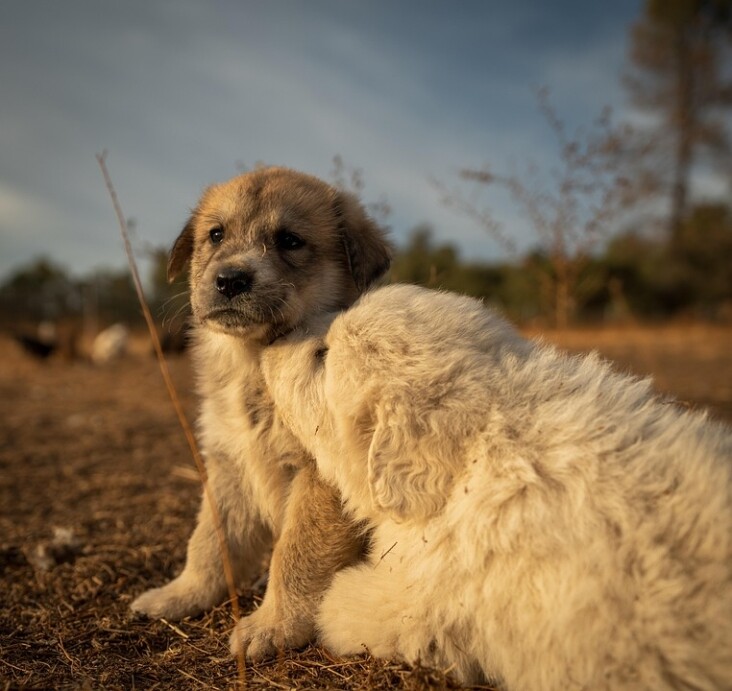
Discover the Loyal Heart of the Great Pyrenees: Unique Traits Unveiled
The Great Pyrenees, often affectionately called “Pyrs,” is a majestic breed known for its gentle disposition, unwavering loyalty, and protective instincts. Originating from the Pyrenees mountains that straddle the border between France and Spain, this breed was initially developed as a livestock guardian, safeguarding sheep from predators. Their thick, fluffy white coats and large size make them truly stand out.
History and Background
The history of the Great Pyrenees dates back thousands of years, where they were not only valued for their guarding abilities but also as companions to shepherds. Their noble demeanor and working capability earned them a special place in many families. Over time, they were recognized by various kennel clubs, and today, they are beloved companion animals and family pets, particularly in North America.
Temperament and Personality Traits
Great Pyrenees dogs are renowned for their calm and gentle temperament. They are known to be:
- Protective: These dogs carry a strong instinct to protect their families and territories, making them excellent watchdogs.
- Gentle Giants: Despite their size, they often display a nurturing side, especially around children and smaller animals.
- Independent: Pyrs are independent thinkers. They may not always respond immediately to commands, preferring to assess the situation.
Grooming Needs
Great Pyrenees have thick, double coats that require regular grooming. Here are some key points to consider regarding their grooming needs:
- Brushing: Regular brushing, ideally every few days, helps minimize shedding and matting.
- Bathing: Bathe them when necessary, about every 3-4 months, to keep their coats clean without stripping them of natural oils.
- Nail Trimming & Ear Cleaning: Regularly check and maintain their nails and ears.
Health Considerations
Like any breed, the Great Pyrenees is prone to certain health issues. Some common health concerns include:
- Hip Dysplasia: A common hereditary condition that affects their joints.
- Bloat: This serious condition occurs when the stomach fills with gas and twists.
- Heart Problems: Some Pyrs experience heart-related issues as they age.
Regular vet check-ups and a balanced diet are essential to keep these dogs healthy.
Suitability for Different Types of Households
The Great Pyrenees is best suited for families or individuals with space. They thrive in environments where they can roam and have a job to do. While they can adapt to apartment living, having a fenced backyard is ideal for their exercise needs. Families with children or other pets will find that these dogs typically get along well, thanks to their friendly demeanor.
Tips for Training and Socializing
Training a Great Pyrenees requires patience and consistency:
- Start Early: Begin training and socialization as a puppy to instill good habits.
- Use Positive Reinforcement: Reward-based training works best. Treats, praise, and toys can motivate your Pyr.
- Socialize Often: Introduce them to various people, pets, and environments to help them become well-rounded adults.
Understanding emotional support animals (ESA)
An emotional support animal (ESA) is a pet that provides therapeutic benefits to individuals with mental health issues. Unlike service animals, which are trained to perform specific tasks, ESAs are companions that help reduce symptoms of anxiety, depression, and other emotional disorders.
Benefits of Designating Your Pet as an ESA
Having a pet as an ESA can significantly improve one’s well-being. Here are some benefits:
- Reduced Anxiety: The presence of a pet can calm nerves and reduce feelings of anxiety.
- Comfort: Pets offer unconditional love and support, creating a safe space for emotional expression.
- Routine and Purpose: Caring for an animal fosters a sense of responsibility and structure.
Real-Life Examples
Many individuals have reported life-changing experiences with their ESAs. Whether it’s a dog that helps a soldier cope with PTSD or a cat that comforts someone dealing with depression, the bond often proves essential for recovery and emotional resilience.
How Dogs and Cats Provide Emotional Support
The Science Behind Emotional Support
Research indicates that interacting with pets can lead to a release of oxytocin, a hormone associated with bonding and affection. The presence of a pet can lower cortisol levels (a stress hormone), making individuals feel more relaxed and at ease. Furthermore, the routine of caring for a pet can provide purpose and stability in one’s life.
Psychology of Pet Companionship
From a psychological perspective, pets can help individuals feel less isolated. For many, the presence of a furry companion alleviates feelings of loneliness and creates a safe emotional refuge. It also promotes social interactions, which can be beneficial to mental health.
Key Information
- Breed Overview: The Great Pyrenees is a gentle giant, originally bred for guarding livestock.
- Temperament: Protective, gentle, and independent.
- Grooming: Requires regular brushing and occasional baths.
- Health Concerns: Prone to hip dysplasia, bloat, and heart issues.
- Living Environment: Best suited for families or individuals with space.
- Training: Early socialization and positive reinforcement are key.
- Emotional Support Animals: Pets that provide therapeutic benefits for individuals with mental health disorders.
FAQs about Emotional Support Animals
What qualifies a pet as an Emotional Support Animal?
An ESA must provide comfort and support, particularly for individuals with mental health conditions.Do ESAs require special training?
No, ESAs do not require specific training, unlike service animals.Can any pet be an ESA?
Yes, any animal can be an ESA as long as it provides emotional support.How can I get my pet certified as an ESA?
You will need a letter from a licensed mental health professional stating the need for an ESA.Is there a difference between ESAs and therapy animals?
Yes, therapy animals are trained to provide comfort in specific settings, while ESAs provide emotional support to individuals.Can I travel with my ESA?
Yes, under certain conditions, ESAs can accompany you on flights and stays in pet-restricted housing.Are there restrictions on breeds for ESAs?
Generally, there are no breed restrictions for ESAs.Can I take my ESA shopping or to work?
Policies vary by location and establishment, so it’s best to check in advance.What documentation do I need for an ESA?
You will typically need a letter from a licensed mental health professional.Can I be denied housing because of my ESA?
The Fair Housing Act protects individuals with ESAs, allowing them to live in pet-restricted housing.
Conclusion
If you’re thinking about connecting with a loyal and loving companion, consider the Great Pyrenees. Their unique traits make them exceptional pets, and they can also serve as emotional support when needed. For those interested in designating their pet as an Emotional Support Animal, visit Veripaw.org. Since 2012, Veripaw has been at the forefront of helping pet owners obtain ESA documentation and connect with licensed mental health professionals. Whether you’re looking for certification or high-quality pet accessories, Veripaw is here to support you and your furry friend every step of the way. Your loyal heart is waiting!
Ready to register your animal?
Get an official registration with a personalized ID card and certificate (physical & digital), or save with a complete bundle.

