
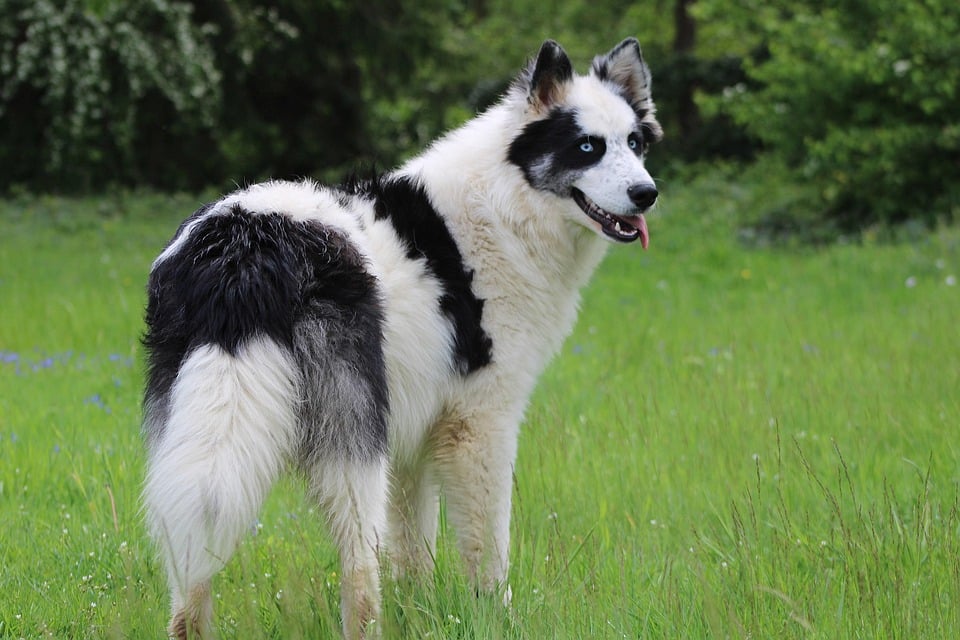
Yakutian Laika Care: Tips for a Happy, Healthy Pup!
If you’re considering welcoming a Yakutian Laika into your home, you’re in for a treat! This captivating breed has a rich history and a unique personality that makes them wonderful companions. In this article, we’ll explore everything you need to know about caring for these remarkable dogs, along with insights on emotional support animals (ESAs) and how they can enhance your life.
Yakutian Laika: An Overview
History
The Yakutian Laika, originally from Siberia, dates back centuries. These dogs were bred by the Yakut people to work as hunting and sledding companions. Their resilience to extreme temperatures made them well-suited for the harsh Arctic climate. Today, they are cherished not only in their homeland but around the world for their versatile skills and vibrant spirit.
Temperament and Personality Traits
Yakutian Laikas are known for their friendly and energetic demeanor. They are intelligent and highly trainable but require consistent guidance. Their temperament is often described as:
- Affectionate: Yakutian Laikas form strong bonds with their families and enjoy showing affection.
- Playful: They possess a youthful energy that makes playtime a joyous experience.
- Independent: While they love their humans, they also appreciate their independence, which can be a challenge for novice dog owners.
Grooming Needs
These dogs have a thick double coat that protects them from extreme cold. Regular grooming is essential to keep their fur healthy and reduce shedding:
- Brushing: Brush your Yakutian Laika at least once a week to remove tangles and loose hair. During shedding seasons, which happen twice a year, you may need to up your grooming routine to daily.
- Bathing: Bathe them as needed, but avoid over-bathing, as it can strip their coat of natural oils.
Health Considerations
Overall, Yakutian Laikas are healthy dogs, but like all breeds, they can be prone to certain health issues:
- Hip Dysplasia: A genetic condition that affects joint function. Regular check-ups can help monitor this.
- Obesity: Because of their independent nature, they sometimes don’t recognize when they’ve overeaten. A balanced diet and regular exercise are key.
Household Suitability
Yakutian Laikas can adapt to various living situations, but they thrive in active households where they can get regular exercise and mental stimulation. They do well in homes with yards, but with proper training and socialization, they can also live happily in apartments.
Tips for Training and Socializing Your Yakutian Laika
Training should begin early. Using positive reinforcement methods like treats and praise can make learning enjoyable. Here are some practical training tips:
- Start with Basic Commands: Teach basic commands such as sit, stay, and come. Keep training sessions short and fun.
- Socialization: Expose your puppy to different people, pets, and environments. A well-socialized dog is less likely to develop behavioral issues.
- Engage in Interactive Play: Use toys to stimulate their minds. Puzzle toys and fetch can keep them occupied and happy.
Emotional Support Animals Explained
An emotional support animal (ESA) is a pet that provides comfort and support to individuals with emotional or psychological conditions. Unlike service dogs, which perform specific tasks for people with disabilities, ESAs provide companionship and can help alleviate symptoms of anxiety, depression, and loneliness.
Benefits of Designating Your Pet as an ESA
- Emotional Comfort: Many people find that their pets are an immediate source of comfort during challenging times. The simple act of petting a dog can release endorphins, helping to reduce stress.
- Reduced Anxiety: Having a pet nearby can create a sense of security, making it easier to cope with anxiety in social situations or during panic attacks.
- Support During Tough Times: Real-life examples abound of individuals who have gained strength from their pets. From college students dealing with exam stress to veterans coping with PTSD, having an ESA can provide emotional stability.
Key Information
- History: The Yakutian Laika is a resilient, friendly breed from Siberia, originally used for hunting and sledding.
- Temperament: They are affectionate, energetic, and independent dogs.
- Grooming: Regular brushing is essential for their thick double coat, especially during shedding seasons.
- Health Concerns: Watch for hip dysplasia and obesity.
- Training Tips: Start early with basic commands, socialize with various people and environments, and engage in interactive play.
- ESAs: They provide emotional support and can alleviate anxiety and distress.
How Dogs and Cats Provide Emotional Support
Studies suggest that pets can have a profound impact on our emotional and mental health. The science behind this connection includes:
- Oxytocin Release: Interactions with pets can increase levels of oxytocin, the “love hormone,” promoting feelings of bonding and alleviating stress.
- Distraction from Symptoms: Focusing on a pet’s needs can offer a temporary distraction from one’s own problems, reducing feelings of anxiety and depression.
- Routine and Structure: Caring for a pet provides a daily routine, which can be particularly beneficial for those struggling with emotional challenges.
FAQs about Emotional Support Animals
1. What qualifies a pet to be an Emotional Support Animal?
An ESA does not need specialized training; they simply need to offer comfort and support to their owner.
2. Can any pet be an ESA?
While most commonly dogs and cats serve as ESAs, other animals can qualify depending on the individual’s needs and preferences.
3. Do I need a special certification for my ESA?
While you don’t have to register your pet as an ESA, getting documentation from a licensed mental health professional can help clarify your pet’s role.
4. Can I take my ESA everywhere?
ESAs do not have the same access rights as service animals; access to public places can depend on individual establishments.
5. How does having an ESA help with mental health?
ESAs can reduce loneliness, provide companionship, and create a sense of purpose, which can significantly improve one’s emotional well-being.
6. Are there specific laws that protect ESAs?
While there are laws related to housing and specific situations, ESAs do not have the same legal rights as service animals in public spaces.
Conclusion
Caring for a Yakutian Laika requires commitment, but the rewards are immense. These dogs bring joy, companionship, and emotional support to their families. If you’re considering designating your pet as an Emotional Support Animal, resources like Veripaw.org can help. Since 2012, Veripaw has been bridging the gap between pet owners and licensed mental health professionals, assisting in obtaining ESA documentation, and providing high-quality pet accessories. Don’t wait—take that step towards a happier, more comforting environment with your furry friend today!


