
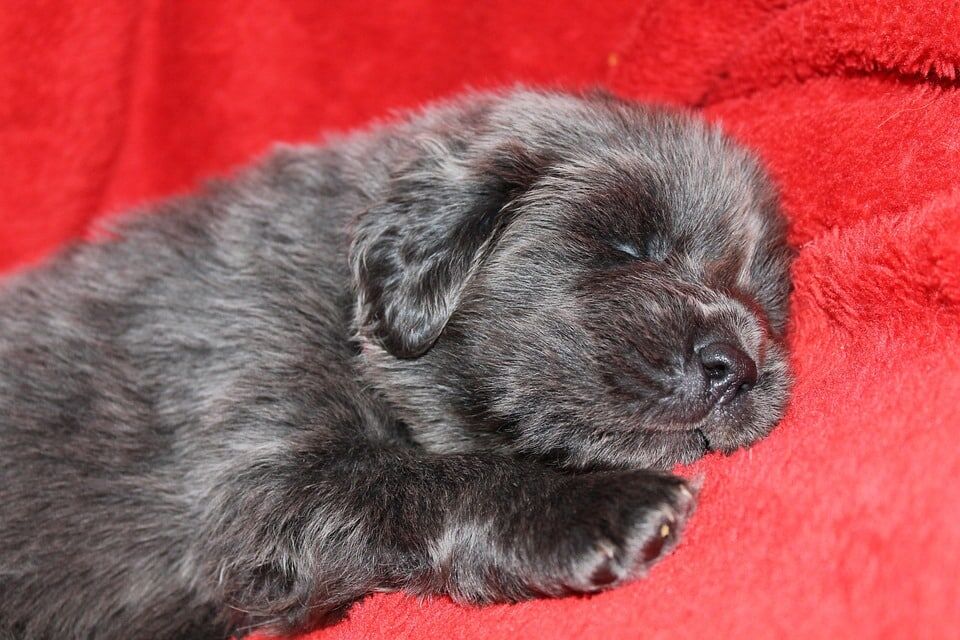
Why Tibetan Mastiffs Make the Ultimate Loyal Companions
Tibetan Mastiffs are majestic dogs known for their strength, loyalty, and striking appearance. With a long history rooted in the Himalayas, these canines have been protectors of livestock and homes for centuries. Their serene demeanor and fierce loyalty make them not just guardians but also gentle companions. In this article, we will dive into the various aspects that make Tibetan Mastiffs an ultimate choice for pet parents and discuss how they can serve as emotional support animals (ESAs) to enhance a person’s emotional and mental well-being.
Overview of Tibetan Mastiffs
History
Tibetan Mastiffs originate from Tibet, where they were bred by nomadic cultures to protect their flocks from wolves and leopards. Their imposing size and tenacity made them natural guardians. While they have a long history, Tibetan Mastiffs earned recognition in the West in the late 20th century, captivating dog lovers and enthusiasts worldwide.
Temperament and Personality Traits
Despite their formidable size, Tibetan Mastiffs are known for their calm and gentle nature. They are intelligent and independent, which can sometimes translate to a stubborn streak. This breed is fiercely loyal to its family but can be aloof around strangers.
Here are some key personality traits:
- Loyal: They bond tightly with their families and will protect them at all costs.
- Independent: They often prefer to think for themselves rather than simply obey commands.
- Calm: Generally, they maintain a low-energy demeanor unless provoked by a threat.
- Intelligent: They are quick learners but need consistent training to avoid becoming too headstrong.
Grooming Needs
Tibetan Mastiffs have a thick double coat that requires regular grooming. Here are some tips for keeping their coat healthy:
- Daily Brushing: To manage shedding and prevent matting, brush their coat daily, especially during shedding season.
- Bathe Sparingly: Over-bathing can strip their coat of natural oils. Aim for a bath every few months unless necessary.
Health Considerations and Suitability for Households
Tibetan Mastiffs can live around 10–14 years but may be susceptible to health issues like hip dysplasia and hypothyroidism. Regular vet check-ups and a balanced diet are crucial.
Due to their size and needs, they are best suited for families with plenty of space and an active lifestyle. They require daily exercise, but a yard for them to roam is essential, as they don’t thrive as apartment dogs.
Tips for Training and Socializing
Training a Tibetan Mastiff can be both a rewarding and challenging experience. Here are some tips:
- Start Early: Begin training and socialization when they are puppies. Expose them to different people, places, and environments.
- Positive Reinforcement: Use treats and praise to motivate them rather than punishment, which can lead to fear and mistrust.
- Consistency is Key: Make sure everyone in the household uses the same commands to avoid confusion.
Socializing
Socialization is crucial for Tibetan Mastiffs to help them feel comfortable around strangers and other animals. Consider enrolling them in obedience classes or puppy socialization groups for positive experiences with others.
What is an emotional support animal (ESA)?
An Emotional Support Animal (ESA) is a pet that provides comfort, companionship, and emotional support to individuals suffering from mental health conditions such as anxiety, depression, or PTSD. Unlike service animals, ESAs do not have task-specific training but play a vital role in the emotional well-being of their owners.
Emotional and Mental Health Benefits of Pets
Pets, especially dogs like Tibetan Mastiffs, provide numerous emotional and mental health benefits. Here are some ways they can enhance your well-being:
Real-Life Examples
-
Anxiety Reduction: A study found that simply petting a dog can lower cortisol levels (the stress hormone) and enhance mood, making them excellent for anxiety reduction.
-
Companionship: Many individuals battling loneliness or depression find solace in their pets. A Tibetan Mastiff’s loyal nature offers a strong bond that can lessen feelings of isolation.
Science Behind Emotional Support
Research shows that interacting with pets can stimulate the release of oxytocin, the “love hormone,” which helps foster feelings of connection and reduces stress.
Key Information
- Tibetan Mastiffs are loyal, calm, and independent dogs.
- Grooming requires daily brushing; infrequent bathing is ideal.
- Health considerations include susceptibility to hip dysplasia and hypothyroidism.
- Training and socialization are essential, particularly from a young age.
- ESAs provide emotional support without specialized training.
- Pets can significantly improve mental health, reducing anxiety and loneliness.
How Dogs and Cats Provide Emotional Support
The connection between pets and emotional health is scientifically backed. Animals offer unconditional love and affection, creating an environment where individuals feel valued and understood. Here’s how pets help:
-
Routine and Responsibility: Caring for a pet establishes a daily routine, helping individuals feel more grounded and providing a sense of purpose.
-
Low-Stress Feedback: Pets can serve as a form of emotional feedback. When you’re feeling low, a cuddly companion, like the Tibetan Mastiff, can offer comfort that boosts mood.
-
Increased Physical Activity: Owning pets leads to more physical movement, which has proven benefits for mental health. Taking your Tibetan Mastiff for a walk can boost endorphins, enhancing mood.
-
Social Connections: Pets can bring people together and help owners connect with others, improving social life and emotional health.
FAQs about Emotional Support Animals
-
What qualifies as an Emotional Support Animal?
- Any domesticated animal can be designated as an ESA if it provides comfort to its owner. Most commonly, dogs and cats are chosen.
-
Do ESAs require special training?
- No, ESAs do not require specialized training. Their primary role is to offer emotional support and companionship.
-
How can I certify my pet as an ESA?
- Certification typically involves obtaining a prescription or recommendation from a licensed mental health professional.
-
What are the housing rights for ESA owners?
- Under the Fair Housing Act, ESAs can live with their owners in no-pet housing, provided they have proper documentation.
-
Are there breed restrictions for ESAs?
- Generally, most breeds can be ESAs, but certain regulations may apply concerning size or behavior in specific housing situations.
Conclusion
Tibetan Mastiffs not only serve as loyal companions but can also be designated as Emotional Support Animals, enhancing the emotional well-being of their owners. Their remarkable loyalty and comforting presence make them ideal partners, forging strong connections that benefit mental health.
If you’re considering having your dog or cat certified as an ESA, look no further than Veripaw.org. Since 2012, Veripaw has been connecting pet owners with licensed mental health professionals and providing ESA documentation. They also offer high-quality pet accessories to ensure both you and your animal live a fulfilled, happy life together.
For a nurturing companionship that offers both loyalty and emotional support, consider bringing a Tibetan Mastiff or another pet into your life today!

