
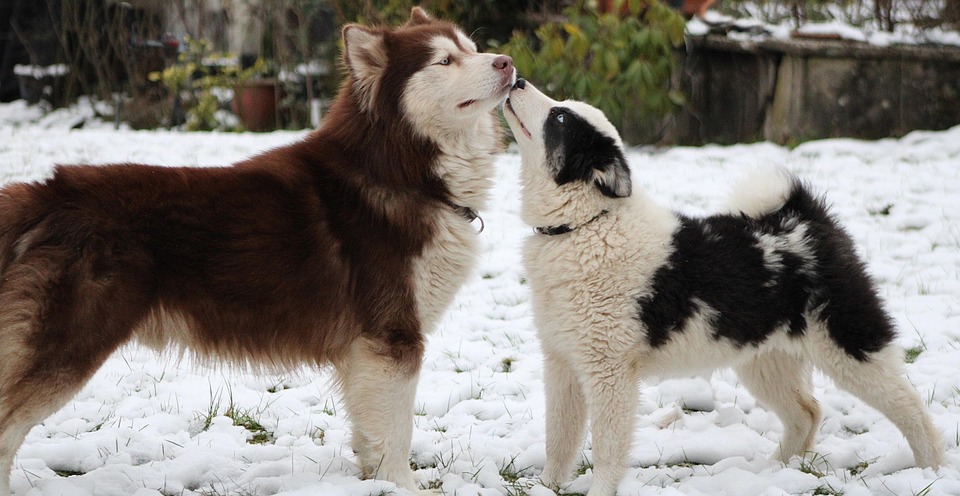
Why the Yakutian Laika Will Melt Your Heart and Fill Your Life!
For anyone curious about unique dog breeds, the Yakutian Laika is a fascinating one to consider. Known for their loyalty, intelligence, and striking appearance, these dogs are not just captivating outwardly; they also have delightful personalities that make them wonderfully affectionate companions. If you’re a pet owner, an animal lover, or simply someone interested in dogs, read on to discover what makes the Yakutian Laika an extraordinary breed that will undoubtedly fill your life with joy!
Overview of the Yakutian Laika
History
The Yakutian Laika hails from the cold, remote regions of Siberia, specifically the Republic of Sakha (Yakutia). Historically, these dogs were bred by the Yakut people for herding, hunting, and sled pulling. They have adapted to extreme weather conditions, which is evident in their thick, double coats that protect them from frigid temperatures. This breed has been an integral part of the local culture, serving not only as workers but also as loyal companions. Their roots date back to the ancient nomadic tribes, making them a fascinating breed steeped in history.
Temperament and Personality Traits
Yakutian Laikas are known for their friendly and energetic temperament. These dogs are alert, playful, and sociable, making them great family pets. They tend to be good with children and have a natural instinct to bond with their human companions. Their loyalty is unquestionable; they often form strong attachments to their families, making them reliable and loving pets.
However, they also possess an independent streak common among working breeds. This independence means they can be somewhat stubborn at times; therefore, consistent training is essential. A well-trained Yakutian Laika will not only be a joy to have around but also a good listener and a wonderful friend.
Grooming Needs
Grooming a Yakutian Laika is relatively straightforward. They have a thick coat that requires regular brushing—at least once a week—to prevent matting and minimize shedding. During seasonal changes, especially in spring, you may notice more shedding, which calls for additional grooming sessions. Regular bathing is not necessary; over-washing can strip the coat of its natural oils.
Health Considerations
Like any breed, the Yakutian Laika is prone to specific health issues. Their robust genetics generally provide them with good health, but potential concerns can include hip dysplasia and issues related to their thick coats. Regular veterinary check-ups and a balanced diet are crucial to keeping them healthy.
Suitability for Different Types of Households
The Yakutian Laika is best suited for active families or individuals. They thrive on physical activity and mental stimulation, so having a spacious home with a yard or easy access to outdoor spaces is ideal. While they can adapt to apartment living, it’s essential that they receive plenty of exercise to remain happy and healthy.
Tips for Training, Socializing, and Caring for the Yakutian Laika
-
Training: Begin training early with basic commands like “sit,” “stay,” and “come.” Positive reinforcement methods—treats, praise, and play—work best for this breed. Keep training sessions short but engaging to maintain their interest.
-
Socialization: Expose your Yakutian Laika to different environments, people, and other animals from an early age. Attending puppy classes can be beneficial not just for training, but also for socializing them with various situations.
-
Caring: Ensure your dog has a balanced diet appropriate for their age and activity level. Regular vet check-ups and vaccinations are vital. Lastly, engage them in plenty of activities to keep them physically and mentally stimulated.
emotional support animals: What You Need to Know
An emotional support animal (ESA) is a pet that provides comfort and support to individuals experiencing emotional or mental health challenges. Unlike service dogs, ESAs are not specially trained to perform tasks. Instead, they offer companionship and emotional relief. The presence of an ESA can help mitigate anxiety, depression, and feelings of loneliness, contributing to improved emotional well-being.
Benefits of Designating Your Pet as an ESA
- Comfort: ESAs provide a consistent source of comfort and love, which can be especially beneficial during stressful times.
- Reduced Anxiety: The companionship of an ESA can help decrease anxiety levels, making it easier to navigate social situations or everyday life.
- Support for Emotional Well-Being: Animals offer unconditional love and support, contributing to improved self-esteem and a sense of purpose.
How Dogs and Cats Provide Emotional Support
The science behind emotional support from pets is profound. Interacting with animals can trigger the release of oxytocin, a hormone known for promoting bonding and emotional connection. This bond offers a sense of security and reduces stress levels. Moreover, pets keep us engaged in regular routines that promote mental stability, such as walking and playing.
Real-Life Examples
Consider Alice, a woman who struggled with anxiety for years. After adopting her Yakutian Laika, she found that having him by her side during panic attacks significantly reduced her anxiety levels. His mere presence brought calmness and companionship, making life’s challenges more manageable.
Another example is Mike, who lives alone and faced bouts of depression. His cat became an indispensable part of his life, providing the comfort he needed just by curling up next to him. The companionship alleviated feelings of loneliness, giving him both joy and purpose.
Key Information
- Origin: Siberia, bred by the Yakut people for herding, hunting, and sled pulling.
- Temperament: Friendly, sociable, loyal, and independent.
- Grooming: Requires regular brushing and occasional baths.
- Health: Generally healthy but may be prone to hip dysplasia and coat-related issues.
- Ideal Homes: Best suited for active families with outdoor spaces.
- Training/Socialization: Early exposure to various environments and methods like positive reinforcement are essential.
- Emotional Support: ESAs provide companionship that can alleviate anxiety and enhance emotional well-being.
FAQs About Emotional Support Animals
-
What is the difference between a service dog and an ESA?
Service dogs undergo specialized training to perform specific tasks for individuals with disabilities, while ESAs provide emotional support through companionship without special training. -
How can I designate my pet as an ESA?
You can have a licensed mental health professional evaluate your needs and issue an ESA letter if deemed appropriate. -
Do ESAs need to be trained?
ESAs do not require special training; their primary role is to provide emotional support. -
Can any animal be an ESA?
Generally, dogs and cats are the most common ESAs, but other animals can qualify with proper documentation. -
What benefits do ESAs provide?
They can reduce anxiety, provide companionship, and enhance emotional well-being.
Conclusion
If you’re looking for a breed that will melt your heart and fill your life, the Yakutian Laika is an excellent choice. Their unique attributes offer joy and comfort, making them a perfect companion. Additionally, designating your pet as an Emotional Support Animal can provide you with invaluable emotional support and improve your overall well-being. For those interested in getting your furry friend certified as an ESA, look no further than Veripaw.org. Since 2012, Veripaw has been a trusted resource for pet owners seeking to connect with licensed mental health professionals, obtain ESA documentation, and access high-quality pet accessories. Don’t miss out on the love and comfort your Yakutian Laika can offer—take the step to make them an ESA today!


