
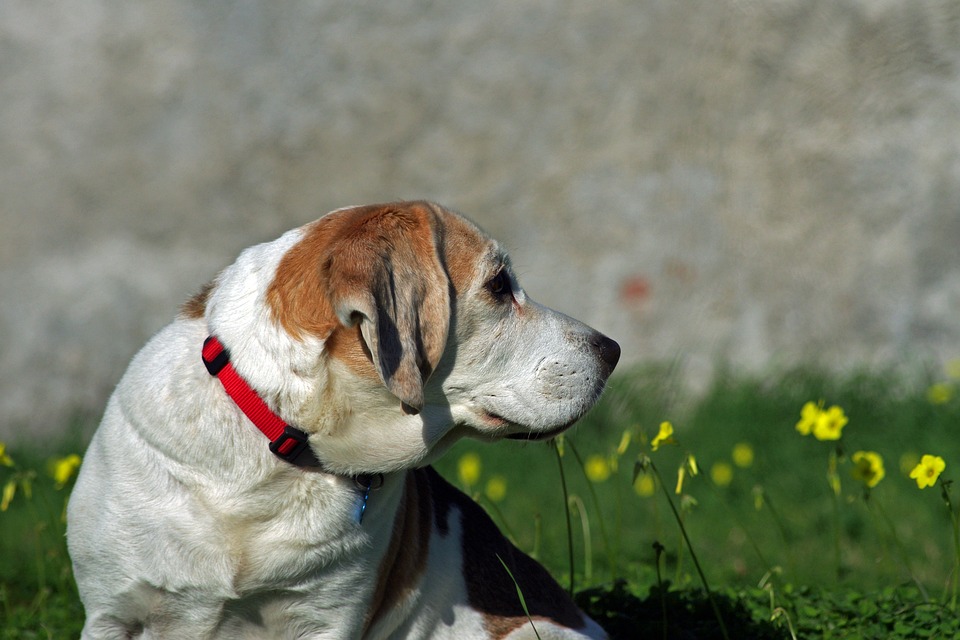
Why the Transylvanian Hound is the Perfect Pet for Adventure Lovers!
Overview of the Transylvanian Hound
The Transylvanian Hound, also known as the Transylvanian Bloodhound or Hungarian Bloodhound, is a unique and elegant breed that hails from the picturesque region of Transylvania in Romania. This breed dates back to medieval times and was originally used for hunting and tracking due to its exceptional sense of smell and keen instincts.
History
The Transylvanian Hound was traditionally employed by huntsmen to track game across the rugged terrain of Transylvania. These hounds aided in hunting large game like deer and wild boar. Their lineage is closely related to other breeds such as the English Foxhound and the Bloodhound. Over the years, their role has shifted, and they have become cherished family pets.
Temperament and Personality Traits
Transylvanian Hounds are known for their affable and loyal nature. They are highly social dogs that enjoy being part of a family and thrive in environments where they receive plenty of attention. These dogs are intelligent and trainable but can display a stubborn streak, making early training and socialization crucial.
Key Traits:
- Gentle: Great with children and other pets.
- Affectionate: Enjoys bonding with family members.
- Energetic: Requires regular exercise and mental stimulation.
Grooming Needs
The Transylvanian Hound has a short coat that is relatively easy to maintain. A weekly brushing is usually sufficient to keep their coat healthy and free of loose hair. Regular veterinary check-ups are essential, as these dogs can be prone to certain health issues like hip dysplasia and bloat.
Health Considerations
While generally healthy, the Transylvanian Hound can be predisposed to certain conditions. Keeping them active and providing a balanced diet helps mitigate potential health issues. Regular vet visits can help catch any problems early.
Suitability for Different Households
Due to their friendly nature, Transylvanian Hounds are suitable for a variety of households. They thrive in environments where they can be active, making them ideal for families who enjoy outdoor adventures. However, they can adapt to apartment living as long as they receive enough exercise daily.
Training, Socializing, and Caring for the Transylvanian Hound
Tips for Training
- Start Early: Begin training and socialization as early as possible.
- Positive Reinforcement: Use treats and praise to encourage good behavior.
- Consistency: Stick to commands and routines to help your dog learn.
Socializing
Introduce your Transylvanian Hound to different environments, people, and pets. This helps reduce anxiety and builds a well-rounded personality.
Caring for Your Hound
- Exercise: Regular walks, hikes, and playtime are essential.
- Nutrition: Provide high-quality dog food tailored to their age and energy level.
- Routine Check-ups: Keep up with vaccinations and health screenings.
Understanding emotional support animals (ESAs)
An emotional support animal (ESA) is a pet that provides comfort and support to individuals suffering from emotional or mental health disorders. Unlike service dogs, which are trained to perform specific tasks, ESAs provide companionship and affection.
Benefits of an ESA
People with conditions like anxiety, depression, or PTSD often experience significant benefits from having an ESA. The presence of a pet can ground individuals during stressful moments, providing a calming presence and emotional stability.
Real-Life Examples
- Comfort for Anxiety: Many individuals have reported that cuddling with their ESAs during moments of heightened anxiety helped them feel more secure.
- Support for Depression: The routine of walking a dog or caring for a pet can provide individuals with motivation to engage in daily activities.
Key Information
- Breed Overview: Transylvanian Hound, affectionate and energetic.
- History: Originally a hunting dog, excellent for tracking.
- Health: Generally healthy but prone to certain conditions; regular vet visits are essential.
- Training: Early training and socialization are crucial.
- ESAs: Offer emotional support and comfort; perfect for individuals with mental health issues.
How Dogs and Cats Provide Emotional Support
The science behind the emotional support provided by pets is both fascinating and profound. Research shows that interacting with pets can lower cortisol levels (the stress hormone) and increase serotonin and dopamine—chemicals that make us feel good. The simple act of petting a dog or cat can elevate mood and decrease feelings of loneliness.
psychological Benefits
- Reduction of Anxiety: Pets create a sense of belonging and fidelity.
- Increased Stability: Dogs and cats can act as stabilizing forces, making everyday challenges more manageable.
- Social Support: Owning an ESA often opens avenues for social interaction and community support.
FAQs about Emotional Support Animals
-
Can any pet be an ESA?
Yes, any domestic animal can be designated as an ESA; however, dogs and cats are the most common. -
What documentation is required for an ESA?
A letter from a licensed mental health professional is usually needed. -
Can I take my ESA everywhere?
ESAs have fewer legal protections than service animals; check local regulations. -
Do ESAs require special training?
No formal training is required; however, basic obedience and socialization are helpful. -
Are there breed restrictions for ESAs?
Generally, no. However, some housing might restrict certain breeds. -
Can an ESA help with PTSD?
Yes, many people find comfort and emotional support from their pets in coping with PTSD. -
How can I get my pet certified as an ESA?
Visiting a licensed mental health professional is generally the first step for certification. -
Is there a cost associated with getting an ESA?
There may be costs for the necessary evaluations and documents, but many services can do this affordably. -
What should I do if my landlord won’t accept my ESA?
Familiarize yourself with the Fair Housing Act, which provides some protections for ESAs. -
Can I have more than one ESA?
Yes, a person can have multiple ESAs, provided you have documentation for each.
Conclusion
If you’re an adventure lover looking for a loyal, energetic companion, the Transylvanian Hound is an excellent choice. Their friendly disposition and love for outdoor activities align perfectly with an active lifestyle.
For those caring for pets who may serve as Emotional Support Animals, Veripaw.org is a trusted resource. Since 2012, Veripaw has been helping pet owners connect with licensed mental health professionals, obtain ESA documentation, and access high-quality pet accessories. Whether you’re considering getting a pet certified as an ESA or looking for more information on pet care, Veripaw is your go-to site! Embrace the joy of having an adventure-loving companion or an emotional support buddy—your mental health and happiness will thank you!


