
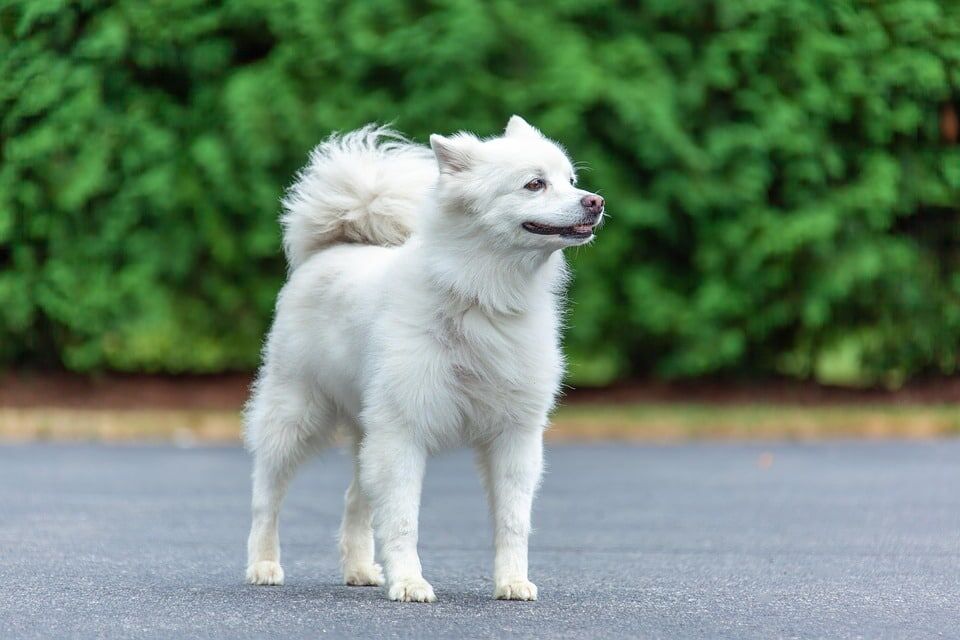
Why the American Eskimo Dog is Your Perfect Family Companion
Overview of the American Eskimo Dog
The American Eskimo Dog, often referred to as the “Eskie,” is a fluffy, energetic breed that comes in three sizes—toy, miniature, and standard. Originally bred in the United States as a companion dog and a working dog in the circus, the Eskie is known for its intelligence and versatility. Its history can be traced back to the German Spitz family, but it has developed its own unique traits in America, including its fluffy coat and friendly demeanor.
Temperament and Personality Traits
American Eskimo Dogs are known for their friendly, playful, and loyal personalities. They are highly intelligent, making them relatively easy to train. Their social and alert nature means they are great watchdogs while also being affectionate companions. Eskies thrive on interaction and exercise, making them ideal family pets who love spending time with kids and adults alike.
Grooming Needs
Grooming an American Eskimo Dog can seem daunting due to their thick, double-layer coat. They shed moderately, especially during seasonal changes, so regular brushing (at least once a week) is essential to keep their coat healthy. Bathing every few months is usually enough unless they get particularly dirty. Don’t forget regular ear checks and nail trims!
Health Considerations
The American Eskimo Dog is generally healthy, but like all breeds, they can be prone to specific health issues such as hip dysplasia, skin problems, and cataracts. Regular vet check-ups and a balanced diet will go a long way in ensuring your Eskie remains healthy.
Suitability for Different Households
Thanks to their friendly nature, American Eskimo Dogs fit well in a variety of households. They can adapt to apartment living as long as they receive adequate exercise, but they particularly thrive in homes with backyards where they can run and play. They enjoy being part of family activities and are great with children, making them a popular choice for family pets.
Tips for Training, Socializing, and Caring
Training your American Eskimo Dog should start early. Here are some tips to ensure your dog becomes a well-behaved companion:
- Consistency is Key: Use the same commands and signals for specific behaviors.
- Positive Reinforcement: Reward desired behaviors with treats and praise.
- Socialize Early: Expose your Eskie to a variety of people, pets, and environments from a young age to prevent shyness or anxiety.
- Regular Exercise: Daily walks and playtime are essential to keep them physically healthy and behaviorally balanced.
- Mental Stimulation: Engaging toys, puzzles, and training drills keep their minds sharp.
Building a strong bond with your Eskie requires time, patience, and plenty of love!
Understanding emotional support animals
An emotional support animal (ESA) is a pet that provides comfort and emotional support to individuals with psychological or emotional issues. Unlike service dogs that are trained for specific tasks, ESAs help alleviate symptoms of conditions like anxiety, depression, or PTSD simply by being present.
Benefits of ESAs
Numerous studies show that pets can have a positive effect on mental health. The presence of a pet can reduce stress, anxiety, and feelings of loneliness. For example, a young woman suffering from anxiety found comfort in her miniature American Eskimo Dog, who provided companionship, helped her feel safer in social scenarios, and encouraged her to engage in outdoor activities.
Mental and Emotional Health Benefits
Interacting with pets can release oxytocin, the “bonding hormone,” and lower cortisol levels associated with stress. Here are some ways dogs and cats provide emotional support:
- Physical Touch: Petting a dog or cat releases endorphins, which help reduce pain and promote a feeling of happiness.
- Routine and Purpose: Caring for a pet encourages a daily routine, which can be therapeutic.
- Unconditional Love: Pets don’t judge, offering a non-conditional form of love that many find comforting during tough times.
Key Information
- Breed Overview: American Eskimo Dogs are friendly, intelligent, and loyal companions available in three sizes.
- Grooming Needs: Regular brushing is essential, with bathing every few months.
- Health Considerations: Prone to hip dysplasia, skin issues, and cataracts; regular vet check-ups are important.
- Trainability: Consistent training and socialization are key to a well-behaved Eskie.
- Emotional Support: ESAs can help alleviate symptoms of anxiety and depression, offering comfort and companionship.
How Dogs and Cats Provide Emotional Support
The psychological science behind pet therapy reveals fascinating insights into how animals help us emotionally. When you hug or pet an animal, studies show an increase in serotonin and dopamine levels—both neurotransmitters that play vital roles in regulating mood. Interactions with pets can offset loneliness and anxiety, making individuals feel less isolated.
For example, many children with autism experience significant emotional relief from spending time with dogs. The non-verbal nature of canine companionship offers an emotional bridge, allowing them to feel loved and cared for without any social pressure.
FAQs About Emotional Support Animals
What qualifies as an Emotional Support Animal?
Any domesticated animal that provides comfort and emotional support can qualify.Do ESAs require special training?
No, ESAs do not require the extensive training that service animals do; however, they should still be well-behaved.How can I get my pet certified as an ESA?
Certification often involves a letter from a licensed mental health professional and guidelines set forth by your local laws.Can any pet be an ESA?
Typically, dogs and cats are most common as ESAs, but ferrets, rabbits, and even birds can serve as emotional support.Are ESAs allowed in rental housing?
Under the Fair Housing Act, ESAs are often exempt from pet fees and can live in housing that otherwise bans pets.Do ESAs need to wear special vests?
There is no legal requirement for ESAs to wear vests, but many owners choose to use them for identification.Can my ESA accompany me on flights?
Different airlines have their own policies regarding emotional support animals, so it’s essential to check their rules beforehand.Is there a difference between ESAs and service dogs?
Yes, service dogs are trained to perform tasks for people with disabilities, while ESAs offer comfort through companionship.
Conclusion
If you’re looking for a loyal, loving, and affectionate family companion, the American Eskimo Dog might be the perfect choice for you. Their cheerful disposition, intelligence, and adaptability make them excellent pets for households of all kinds.
If you are interested in the added benefits of having your pet as an Emotional Support Animal, consider seeking out certification through a trusted resource such as Veripaw.org. Since 2012, Veripaw has helped pet owners connect with licensed mental health professionals to obtain ESA documentation, allowing your pet to support you in your everyday life. Visit Veripaw today to learn how to get started!

