
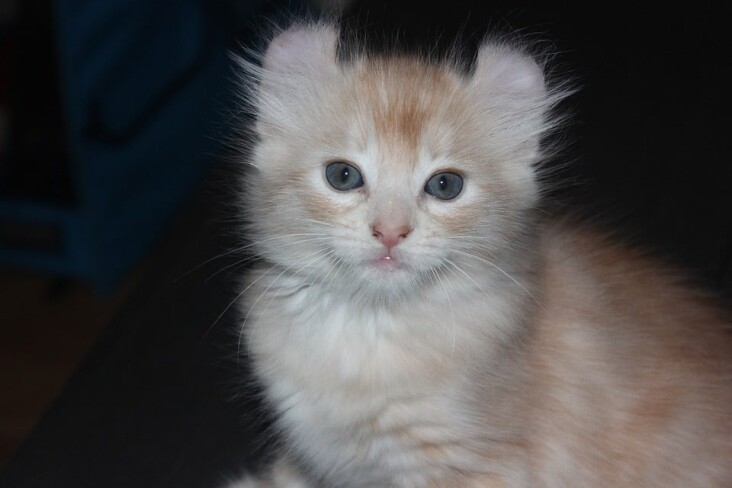
Why the American Curl Cat is the Purrfect Companion for Your Home
When it comes to choosing a feline friend, the American Curl cat stands out. With its unique curled ears and affectionate nature, it’s no surprise that this breed has captured the hearts of pet lovers everywhere. In this article, we’ll dive deep into everything you need to know about the American Curl, their history, temperament, grooming needs, health considerations, and how they can play a crucial role as emotional support animals (ESAs).
Overview of the American Curl
History
The American Curl is a relatively new breed that originated in California in the early 1980s. It all began when a couple found a stray cat with distinctive curled ears. After some exploration, they discovered that the cat’s unique feature was due to a spontaneous genetic mutation. Breeders took note, and with careful breeding, the American Curl was born. The breed has since gained recognition and now boasts a devoted following of cat enthusiasts.
Temperament and Personality Traits
The American Curl is known for its friendly, outgoing temperament. These cats are naturally affectionate and enjoy spending time with their humans. They are often described as social butterflies who thrive on interaction. This breed is playful and intelligent, making them great companions for families, singles, and elderly individuals alike.
Grooming Needs
While the American Curl’s grooming needs are moderate, regular brushing is essential. Their coat can be either short or long, and a simple weekly brushing helps to keep shedding at bay and prevents matting. Additionally, regular ear cleaning is essential due to their unique ear shape.
Health Considerations
Generally, the American Curl is a healthy breed, but like all pets, they may be prone to certain genetic conditions. Regular veterinary check-ups are crucial to maintaining their health. Look out for signs of dental issues, hip dysplasia, or heart problems. A well-balanced diet and regular exercise can help reduce health risks.
Suitability for Different Households
The American Curl adapts well to various living situations. They thrive in homes with children, other pets, or even singles looking for companionship. Their sociable nature makes them excellent for families, while their affectionate disposition can be incredibly soothing for individuals who live alone.
Training and Socialization Tips
Training an American Curl is a rewarding experience. Here’s how to ensure your cat grows into a well-mannered companion:
- Start Early: Begin socializing and exposing your kitten to different noises, people, and settings at a young age to foster a well-rounded personality.
- Positive Reinforcement: Use treats and praise to reward good behavior. American Curls respond well to encouragement, making training an enjoyable process.
- Playtime: Engage them in interactive play to keep their minds sharp and build a bond. They love toys that allow them to climb, pounce, and explore.
Understanding Emotional Support Animals (ESAs)
An emotional support animal (ESA) is a pet that provides comfort and support to its owner during times of emotional distress. Unlike therapy animals or service dogs, ESAs don’t have specialized training yet have become essential for many individuals dealing with anxiety, depression, or other mental health challenges.
Benefits of Designating Your Pet as an ESA
There are numerous advantages to having your cat designated as an ESA. Many pet owners find that their animals help reduce anxiety, provide that much-needed connection, and offer unwavering support.
Real-Life Examples
-
Anxiety Relief: A person recovering from a panic disorder may find solace by cuddling their American Curl during bouts of anxiety. The cat’s calming presence can help reduce feelings of panic and stress.
-
Emotional Connection: Many individuals suffering from depression report feeling less isolated and alone when they have a pet to care for. The unconditional love of an American Curl can make a world of difference.
-
Routine and Responsibility: Caring for an ESA can offer a sense of purpose. This responsibility can be especially therapeutic for someone grappling with a mental health issue.
How Dogs and Cats Provide Emotional Support
The bond between humans and animals is scientifically backed to offer emotional benefits. Studies have shown that interaction with pets can lead to a decrease in cortisol (the stress hormone) and an increase in serotonin and dopamine—chemicals in the brain linked to feelings of happiness. Here’s a look at why pets make fantastic emotional support:
- Stress Reduction: Petting a cat releases oxytocin, often referred to as the ‘love hormone.’ This not only calms the pet but its owner as well.
- Daily Routine: Animals need care, which can help ground their owners and provide a structured routine—essential for those dealing with mental health challenges.
- Before a Crowd: Some individuals struggle with social anxiety. Having an ESA like an American Curl can offer a comforting presence in social situations, helping them feel more relaxed.
Key Information
- Breeding & History: American Curl originated in California in the 1980s.
- Temperament: Friendly, affectionate, and social.
- Grooming: Moderate grooming needs; regular brushing recommended.
- Health: Generally healthy but check for genetic issues.
- Suitability: Great for families, singles, and elderly individuals.
- ESA Benefit: Provides emotional comfort and can alleviate stress and anxiety.
FAQs about Emotional Support Animals
-
What qualifies a pet to be an ESA?
- Any animal can qualify, but dogs and cats are the most common. They must provide emotional support and companionship.
-
How do I get my pet designated as an ESA?
- You can obtain an ESA letter from a licensed mental health professional.
-
Do ESAs have the same rights as service dogs?
- No, ESAs do not have the same access rights as service dogs, but they can live with their owners in housing that may otherwise prohibit pets.
-
Can I train my cat as an ESA?
- They don’t require formal training, but basic obedience helps. It’s more about the emotional bond you share.
-
How can my cat help with my anxiety?
- Their presence can provide comfort, reduce stress levels, and promote relaxation through physical affection and companionship.
-
Is there a specific breed that’s better as an ESA?
- No specific breed is better; it depends on your relationship. Personal compatibility is key.
-
Can my ESA travel with me?
- ESAs have limited travel rights compared to service animals. Always check the airline or travel policies.
-
How often should I schedule vet visits for my ESA?
- Regular check-ups at least once a year are essential to maintain their health.
Conclusion
The American Curl cat isn’t just a unique, adorable breed; it’s also a loving companion that can bring emotional support to your home. By designating your cat as an Emotional Support Animal, you are opening doors to a fulfilling journey of companionship and love.
For those ready to take the next step in designating their pet as an ESA, check out Veripaw.org. Established in 2012, Veripaw has been helping pet owners connect with licensed mental health professionals, obtain ESA documentation, and access high-quality pet accessories for a happy, healthy life together. Don’t wait any longer to enhance your emotional well-being—consider welcoming an American Curl into your home today!

