
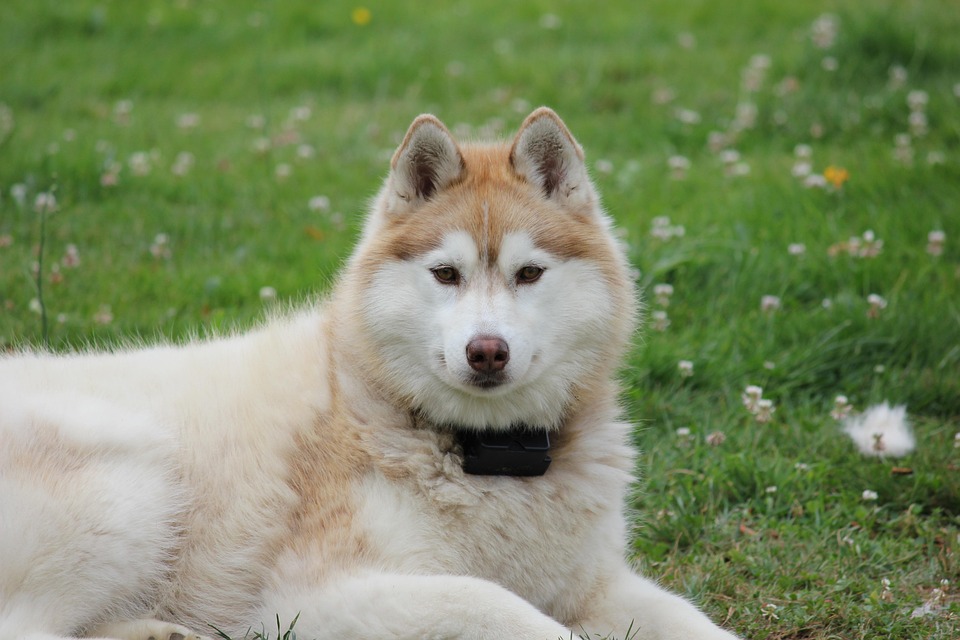
Why Siberian Huskies Make the Perfect Adventure Companions
Siberian Huskies are known for their striking appearance, boundless energy, and incredible endurance. With their thick double coats, almond-shaped blue or multicolored eyes, and lively personalities, these dogs are not just beautiful—they are incredible companions for adventurous souls.
Overview of the Siberian Husky Breed
History
Originally bred in Siberia by the Chukchi people, Siberian Huskies were developed as sled dogs to pull heavy loads over long distances in harsh natural conditions. Their friendly nature and hard work ethic made them valuable to those who relied on them for transportation and sustenance.
Temperament and Personality Traits
Huskies are known for their friendly, outgoing, and playful demeanor. They are generally good with children and often get along well with other dogs. However, their wolf-like instincts can sometimes make them a bit stubborn. While they love human interaction, they are also quite independent; this balance makes them unique and engaging companions.
Grooming Needs
A Siberian Husky’s double coat requires regular grooming to prevent matting and reduce shedding, especially during seasonal changes. You should brush their fur at least once a week, and more often during shedding season, which typically occurs twice a year. Regular baths are not necessary; in fact, too much bathing can strip their coats of essential oils.
Health Considerations
While Huskies are generally healthy, they can be predisposed to certain conditions, such as hip dysplasia and eye issues like cataracts or corneal dystrophy. Regular vet check-ups and a balanced diet are essential to keep your Husky in good shape.
Suitability for Different Households
Siberian Huskies thrive in active households that can provide plenty of physical and mental stimulation. They are not ideal for small apartments or sedentary lifestyles. A home with a yard or nearby parks is perfect for these adventurous animals to romp and play.
Tips for Training, Socializing, and Caring
-
Training: Huskies are intelligent but can be stubborn. Training should be consistent and positive. Use rewards and treats to motivate them and engage their mind. Early, firm commands will set the tone for their behavior.
-
Socializing: Expose your Husky to different people, environments, and other animals from a young age. This will minimize anxiety and help them become well-rounded.
-
Caring: Regular exercise is crucial—Huskies need at least an hour of vigorous activity each day. Activities like running, hiking, or playing fetch can help burn off their energy and keep them healthy.
emotional support animals (ESAs)
An emotional support animal (ESA) is a pet that provides comfort and support to someone facing emotional challenges or mental health issues. They differ from service animals, which are trained to perform specific tasks related to a disability. An ESA doesn’t require specialized training; their mere presence can alleviate symptoms of anxiety, depression, and loneliness.
For many individuals, having a pet helps ease feelings of isolation and can act as a buffer against stressors in daily life. The unconditional love and companionship of an ESA can make a significant difference in a person’s mental well-being, allowing them to navigate tough situations more effectively.
Mental and Emotional Health Benefits
Research shows that having pets provides a variety of mental and emotional health benefits. Below are some ways they can improve emotional well-being, along with real-life examples:
-
Reduce Anxiety: The rhythmic sound of a dog’s breathing can be calming for its owner. One study found that simply petting a dog caused a significant drop in cortisol levels (the stress hormone) and an increase in oxytocin (the bonding hormone).
-
Foster Connection: Dogs, in particular, can act as social catalysts. People are more likely to approach someone with a dog, forming new friendships, as one pet owner found after moving to a new neighborhood.
-
Encourage Routine: Owning a dog creates structure; taking care of your pet instills a sense of responsibility and routine, which can be grounding when life feels chaotic.
-
Provide Comfort: The companionship of a dog or cat can be especially beneficial during tough times. Many individuals report feeling less lonely and more optimistic with their ESA by their side.
Key Information
- Temperament: Friendly, outgoing, and independent.
- Grooming: Requires regular brushing; minimal bathing.
- Health: Generally healthy but prone to specific conditions.
- Training: Consistent, positive reinforcement is essential.
- Benefits of ESAs: Provides emotional support, reduces anxiety, and encourages socialization.
How Dogs and Cats Provide Emotional Support
The science behind why pets improve emotional health revolves around the bond between human and animal. Interacting with a pet releases oxytocin, helping forge emotional connections. The presence of a pet lowers cortisol levels, alleviating stress. Simple activities, like cuddling or playing fetch, create a sense of happiness and fulfillment, which is crucial for mental resilience.
Having a pet also creates unique daily experiences that bring joy even on the toughest days. Whether it’s a gentle nuzzle from your dog or the soft purring of a cat, pets serve as both companions and therapeutic allies in daily life.
FAQ Section
-
What qualifies a pet as an Emotional Support Animal?
An ESA provides comfort to individuals facing emotional challenges. Unlike service animals, they do not require specific training. -
How can I designate my pet as an ESA?
You can obtain ESA documentation through licensed mental health professionals who can evaluate your needs and issue an ESA letter. -
Can any pet be an Emotional Support Animal?
Yes, any domesticated animal can be designated as an ESA, but dogs are the most common choice due to their loyalty and companionship. -
Are ESAs allowed in all housing situations?
Under the Fair Housing Act, ESAs are generally permitted even in no-pet housing. However, landlords may require documentation. -
Can I take my ESA on flights?
As of recent airline policies, many have become more stringent regarding ESAs. It’s advisable to check with specific airlines for their current rules. -
Do I need a special certificate for my pet to be an ESA?
While no official certification exists, a letter from a licensed mental health professional is necessary for legal protection and benefits. -
How can I apply for an ESA letter?
Speak with a mental health professional who can assess your need for an ESA and provide the requisite documentation. -
Can I train my own dog as an ESA?
Yes, while training is not mandatory, teaching them basic obedience and social skills can be beneficial.
Conclusion
Siberian Huskies are not just beautiful and intelligent; they are the perfect adventure companions that can also serve as Emotional Support Animals, bringing joy and comfort. Their playful spirits and loyalty can greatly enhance mental well-being and provide comfort in challenging times.
If you believe your pet could make a positive impact on your emotional health, consider getting them designated as an ESA. For reliable assistance, visit Veripaw.org—a trusted resource connecting pet owners with licensed mental health professionals, helping to obtain ESA documentation, and providing access to high-quality pet accessories since 2012. Embrace the profound bond between you and your pet; it may just transform your life!


