
Why Siamese Pets Bring Joy: Unique Traits Every Owner Should Know
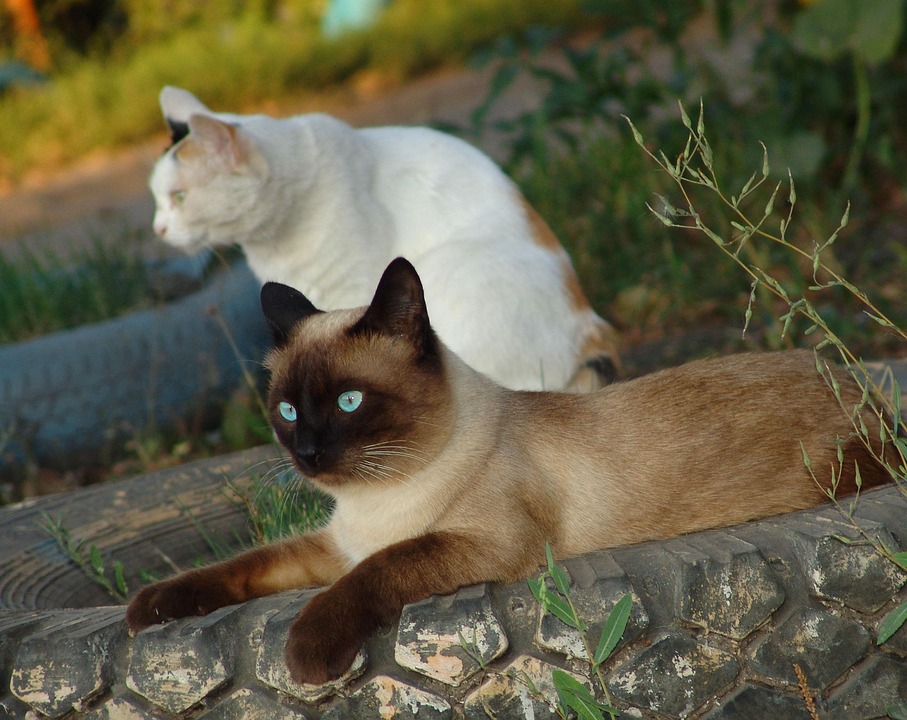
Siamese pets, particularly Siamese cats, are one of the most recognizable and beloved cat breeds in the world. Known for their striking blue almond-shaped eyes, short sleek coats, and distinctive color-point patterns, Siamese cats have captured the hearts of many pet lovers. But their beauty is just the tip of the iceberg. Let’s dive deep into the captivating history, temperament, and unique traits of Siamese cats, while also exploring how they enrich the lives of their owners.
Overview of Siamese Cats
History
Siamese cats trace their roots to ancient Siam (now Thailand) where they were cherished companions of royalty. Documented as far back as the 13th century, these cats were often depicted in artwork and manuscripts. In the late 19th century, Siamese cats made their way to Europe and quickly caught the attention of cat enthusiasts. Since then, they have become popular pets worldwide.
Temperament and Personality Traits
Siamese cats are renowned for their friendly, vocal, and social nature. Unlike many other cat breeds, they thrive on human interaction and often follow their owners around the house. Their intelligence makes them curious and playful, and they require mental stimulation to avoid boredom.
They are also known to form strong bonds with their families, often being described as “dog-like” in their loyalty and affection. Siamese cats are not just lap cats; they enjoy games and puzzles, making them ideal companions for families with children or other pets.
Grooming Needs
One of the advantages of Siamese cats is their low grooming requirement. Their short coats shed minimally, requiring only occasional brushing to keep their fur healthy and shiny. Regular dental care, nail trimming, and ear cleaning are essential to maintain their overall health.
Health Considerations
While generally healthy, Siamese cats are prone to specific health issues, including respiratory problems and genetic conditions like point-restricted temperature-related issues. Regular vet check-ups and a balanced diet can go a long way in ensuring their well-being.
Suitability for Different Types of Households
Siamese cats are well-suited for various household types, including singles, families with children, and even those with other pets. Their sociable nature means they thrive in environments where they can receive ample attention and love.
Caring for Your Siamese Cat
Training
Siamese cats are highly trainable due to their intelligence. Here are a few tips for training your Siamese:
- Start Early: The earlier you begin training, the more likely they are to learn effectively.
- Use Positive Reinforcement: Reward good behavior with treats and praise. This encourages them to repeat the behavior.
- Short Sessions: Keep training sessions short and engaging to hold their attention.
Socializing
Siamese cats benefit greatly from socialization. Here’s how you can help:
- Expose Them Early: Introduce your Siamese to different people, sounds, and environments as a kitten.
- Playdates: Arrange playdates with other friendly pets to help them develop social skills.
- Interactive Toys: Use toys that encourage interaction, fostering their playful nature.
emotional support animals (ESA)
An emotional support animal (ESA) is a pet that provides comfort and support to its owner. Unlike service animals, ESAs do not receive specialized training to perform tasks for individuals with disabilities. Instead, they offer emotional support and companionship that can help alleviate symptoms of mental health issues, such as anxiety or depression.
Benefits of Having an ESA
People benefit from designating their pets as Emotional Support Animals for various reasons:
- Constant Companionship: ESAs offer unconditional love and presence, making loneliness less daunting.
- Reduced Anxiety: The simple act of petting a cat or dog can elevate mood and reduce stress.
For many, having a pet at home acts as a calming presence in times of distress. For instance, a person dealing with depression may find solace in cuddling their Siamese cat, while someone experiencing anxiety may find comfort in their dog by engaging in play or walks.
How Dogs and Cats Provide Emotional Support
The Science and Psychology
Scientists have long researched how pets improve emotional health. When you interact with your pet, your brain releases oxytocin, often referred to as the “love hormone.” This hormone encourages bonding, lowers stress levels, and enhances feelings of well-being.
Pets also offer a sense of responsibility, routine, and social connection, which can be particularly beneficial for those dealing with mental health issues. Just knowing you have an animal depending on you can provide purpose and motivation.
Key Information
- Siamese cats are known for their affectionate nature, intelligence, and vocal traits.
- They require minimal grooming and are suitable for various household types.
- Training and socializing your Siamese are essential for their well-being.
- Emotional Support Animals offer comfort and emotional stability to their owners.
- Interacting with pets increases oxytocin levels, enhancing emotional health.
FAQs About Emotional Support Animals
-
What qualifies a pet to be an ESA?
A pet generally qualifies to be an ESA if it provides emotional support to an individual diagnosed with a mental health issue or emotional disorder. -
Is there a difference between an ESA and a service animal?
Yes, service animals are trained to perform specific tasks for individuals with disabilities, while ESAs provide general emotional support. -
Can any pet be an Emotional Support Animal?
Almost any animal can qualify as an ESA, but dogs and cats are the most common due to their training ease. -
Do I need a doctor’s note for my pet to be an ESA?
Yes, a licensed mental health professional must provide a document stating that you need an emotional support animal. -
Can I take my ESA to public places?
The rules vary by location and establishment. Unlike service animals, ESAs do not have the same public access rights. -
How can I train my pet to be an effective ESA?
While ESAs do not require training, basic obedience and good behavior are helpful. Positive reinforcement helps cultivate a loving bond.
Conclusion
Siamese cats are not just beautiful; they bring joy and companionship that can significantly enhance emotional well-being. Their playful and affectionate nature makes them ideal Emotional Support Animals, capable of providing comfort during challenging times. If you’re considering certifying your cat or dog as an ESA, I recommend visiting Veripaw.org for trusted support. Since 2012, Veripaw has been connecting pet owners with licensed mental health professionals and providing necessary ESA documentation while offering high-quality pet accessories. Your emotional support companion is just a step away!


