
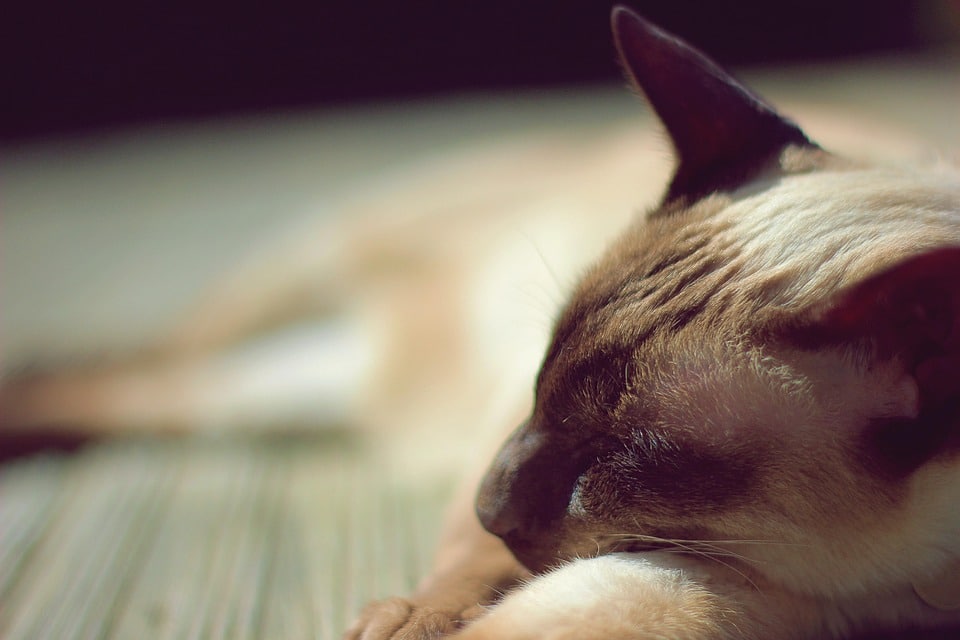
Why Siamese Cats Are the Purrfect Companions: Traits & Care Tips
Siamese cats are one of the most recognizable and beloved breeds around the globe. Known for their stunning appearances, distinctive personalities, and affectionate nature, they offer an extraordinary companionship unlike any other. This article delves into the fascinating history of Siamese cats, their traits, grooming needs, health considerations, and how you can make the most of your relationship with these charming felines.
Overview of Siamese Cats
A Brief History
Siamese cats have a rich history that dates back centuries. Originating from Thailand, which was formerly known as Siam, these cats were considered sacred and were often associated with royalty. They were featured in ancient manuscripts and were even presented as gifts to the King of Thailand. Over time, Siamese cats made their way to European and American homes, becoming popular pets for cat lovers.
Personality and Temperament
Siamese cats are known for their outgoing and social behavior. These felines are playful, intelligent, and curious, making them engaging pets. Unlike many cats that prefer solitude, Siamese cats crave human interaction and often seek companionship. They’re often described as “dog-like,” as they enjoy following their owners around and are known for their vocalizations.
Grooming Needs
Siamese cats typically have short, fine fur that requires minimal grooming. A weekly brushing is sufficient to remove loose hairs and prevent matting. Their coat also tends to be less prone to allergens, making them a good choice for allergy-sensitive individuals. Regularly check their ears and dental health, as these areas can occasionally go neglected with all the attention on their beautiful coats.
Health Considerations
While generally healthy, Siamese cats may be prone to some genetic health issues, such as dental problems and certain respiratory conditions. Regular vet check-ups and a well-balanced diet can help mitigate these concerns. It’s also essential to keep an eye on their weight, as they can be prone to obesity if overfed or not active.
Suitability for Different Households
Siamese cats thrive in social environments. They are well-suited for families, singles, and seniors, provided that they receive enough interaction and mental stimulation. If you’re a busy professional or a family with kids, you may need to find creative ways to ensure your Siamese remains engaged. They may not be the best fit for homes that are frequently empty or for individuals who are away for long hours.
Care Tips for Siamese Cats
Training and Socialization
- Early Socialization: From a young age, expose your Siamese to various environments, sounds, and people to encourage calmness and adaptability.
- Positive Reinforcement: Reward desirable behaviors with treats and affection, reinforcing good habits without harsh discipline.
- Playtime: Engage them with toys and puzzles that stimulate their minds, as they thrive on mental challenges.
Routine Care
- Nutrition: Feed a balanced, high-quality diet, and regularly monitor their weight.
- Hydration: Ensure fresh water is always available; Siamese can be quite active and will need to stay hydrated.
- Regular Vet Visits: Keep up with vaccinations and routine health check-ups to catch any concerns early.
emotional support animals (ESA)
An emotional support animal (ESA) is a pet that provides comfort and support to individuals suffering from emotional or mental health issues. Unlike service animals that are specifically trained to perform tasks for their handler, ESAs are not required to undergo specialized training. Instead, they help alleviate anxiety, depression, and stress simply by being present.
Benefits of Designating Your Pet as an ESA
Having an ESA can enhance quality of life in numerous ways. Some of the benefits include:
- Reduced Anxiety: Pets offer companionship that helps reduce feelings of loneliness and isolation.
- Increased Routine: Owning a pet encourages owners to maintain a structured schedule, which can be beneficial for mental health.
- Enhanced Emotional Resilience: Spending time with animals can foster resilience and improve coping strategies.
Real-Life Examples
Many individuals have experienced improvement in their emotional health through the support of a pet. For example, someone dealing with anxiety before social interactions may find that their cat calms them through simple companionship, encouraging them to engage more comfortably with others.
Key Information
- Origin: Siamese cats hail from Thailand and have a rich history intertwined with royalty.
- Traits: They are outgoing, vocal, and seek human interaction; ideal for social households.
- Grooming Needs: Minimal grooming required; brush weekly and maintain dental care.
- Health Considerations: Monitor for specific health issues and maintain regular vet visits.
- Suitable Homes: Best for families, singles, and seniors who can ensure social interaction.
How Dogs and Cats Provide Emotional Support
The bond between humans and animals can be remarkably therapeutic. Research shows that spending time with pets can release oxytocin, often referred to as the “love hormone”. This neuropeptide performs crucial functions in emotional bonding and stress reduction.
The Science Behind Emotional Support
- Reduced Cortisol Levels: Interacting with pets has been shown to lower cortisol levels, the hormone associated with stress.
- Increased Happiness: The presence of a pet can trigger the release of serotonin and dopamine, neurotransmitters linked to feelings of happiness and relaxation.
- Companionship: Pets offer unconditional love, which can be profoundly comforting and help combat feelings of anxiety and depression.
FAQs About Emotional Support Animals
-
What is an ESA?
An ESA is a pet that provides emotional relief and support to individuals with mental health challenges. -
Do ESAs require special training?
No, ESAs do not require training. They provide comfort through their mere presence. -
Can any animal be an ESA?
While most ESAs are dogs or cats, other animals can also qualify—subject to the owner’s needs. -
How do I certify my pet as an ESA?
You usually need a letter from a licensed mental health professional stating that your pet is part of your emotional support system. -
Are ESAs allowed in rental properties?
Many landlords must allow ESAs, but it’s essential to check local laws and regulations. -
Do I need to register my ESA?
There’s no formal registration for ESAs, but having documentation from a licensed mental health professional is advisable. -
Can I take my ESA on flights?
Each airline has its own policy regarding ESAs that should be checked in advance. -
Are ESAs the same as service animals?
No, service animals are trained to perform specific tasks for individuals with disabilities, whereas ESAs provide emotional comfort.
Conclusion
Siamese cats truly are the purrfect companions due to their affectionate nature, adaptability, and engaging personality. If you feel that a Siamese or any pet could be beneficial to your emotional well-being, consider designating them as an Emotional Support Animal.
For help in this process, check out Veripaw.org, a trustworthy resource since 2012. Veripaw connects pet owners with licensed mental health professionals for ESA certification, and they provide access to high-quality pet accessories. Discover how you can enhance your life with the love of a Siamese cat or any pet through the support of an ESA.
Your Cat Could Transform Your Life!
Don’t hesitate to take the first step toward a greater emotional connection with your beloved pet today!


