
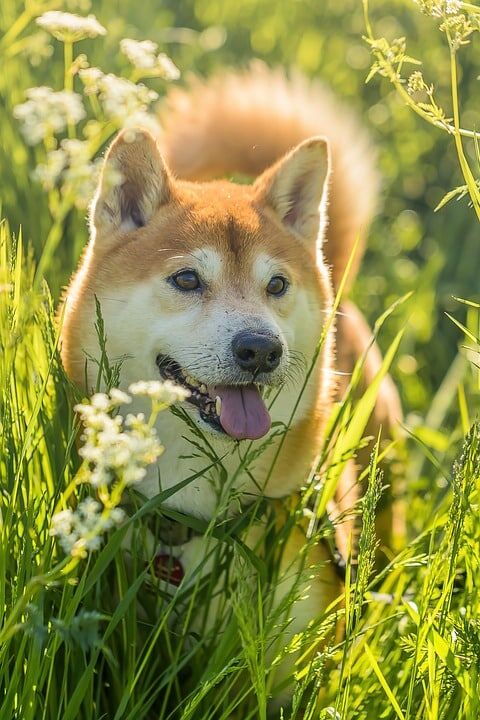
Why Shiba Inus Are the Perfect Companion: Traits & Care Essentials
Shiba Inus are rapidly becoming one of the most cherished dog breeds around the world. Originally hailing from Japan, they were initially bred for hunting small game. With their fox-like appearance, spirited nature, and unmistakable curled tails, Shiba Inus are not just adorable—they’re also incredibly loving companions.
Overview of the Shiba Inu Breed
History
The Shiba Inu is one of Japan’s oldest breeds, with a history that dates back over 2,500 years. They were used by Japanese hunters for their keen senses and agility to hunt small birds and mammals in Japan’s mountainous regions. Despite their hunting background, they have also become popular family pets.
Temperament and Personality Traits
Shiba Inus are known for their spirited, confident demeanor. They often display a strong-willed nature and a sense of independence. However, they are also loyal, affectionate, and playful with their families. Their intelligence makes them relatively easy to train, but they can also be a bit stubborn, requiring consistent and positive reinforcement methods.
Grooming Needs
When it comes to grooming, Shiba Inus have a double coat that requires regular brushing—especially during shedding seasons in spring and fall. Bathe them occasionally to keep their coats clean and healthy. Regular dental care and nail trimming are also essential to maintaining their overall health.
Health Considerations
Generally, Shiba Inus are a healthy breed. However, they can be prone to certain genetic conditions, including hip dysplasia and various eye disorders. Regular veterinary check-ups are crucial to ensure they remain healthy.
Suitability for Different Households
Shiba Inus are adaptable to various living situations, including apartments and houses with yards. However, they do need regular exercise. They thrive in active households but can also enjoy a more laid-back lifestyle if given ample opportunity for outdoor exploration.
Tips for Training, Socializing, and Care
-
Training: Start training early, focusing on positive reinforcement. Use treats and praise to reward good behavior. Keep sessions short and fun to maintain their interest.
-
Socialization: Expose your Shiba Inu to various environments, people, and other animals from a young age. This helps them develop into well-rounded dogs. Puppy classes can be a great way to socialize them too.
-
Care: Ensure your Shiba Inu gets regular physical activity, such as daily walks and play sessions. Keep their environment safe and stimulating, providing toys that challenge their intelligence.
What is an emotional support animal (ESA)?
An Emotional Support Animal (ESA) is a pet that provides comfort and companionship to help individuals cope with emotional or psychological conditions. Unlike service animals, ESAs don’t require specialized training; their mere presence can alleviate feelings of anxiety, depression, and loneliness.
Benefits of Designating Your Pet as an ESA
Many people find tremendous emotional relief from their pets. By designating a pet as an ESA, individuals gain legal protections that allow them to live with their animal in no-pet housing, as well as to travel with them in some situations.
The Mental and Emotional Health Benefits of Pets
Many studies suggest that the presence of pets can significantly improve our emotional well-being. Here are a few examples of how dogs and cats have helped individuals:
-
Reducing Anxiety: A Shiba Inu buddy might cuddle next to their owner during a stressful moment, prompting feelings of safety and calm.
-
Providing Comfort: Many individuals report feeling less alone and more supported with an ESA, leading to reduced feelings of isolation.
-
Enhancing Mood: Pets can bring joy into daily life. A wagging tail or a playful pounce can lift even the heaviest of moods.
Key Information Summary
- History: Shiba Inus are one of Japan’s oldest breeds, primarily developed for hunting.
- Temperament: Confident, loyal, and affectionate with a strong-willed nature.
- Grooming Needs: Regular brushing required due to their double coat; occasional baths, dental care, and nail trimming are vital.
- Health Considerations: Generally healthy but prone to specific genetic conditions.
- ESA Benefits: Provides legal protections, comfort, and companionship.
How Dogs and Cats Provide Emotional Support
The mental health benefits of owning a pet are deeply rooted in science. Consider the following:
-
Stress Reduction: Studies show that interacting with pets can decrease levels of the stress hormone cortisol. Just petting a dog can trigger the release of oxytocin, the ‘feel-good’ hormone.
-
Increased Social Interaction: Pets can encourage social interactions, whether it’s meeting new people at the dog park or simply chatting with neighbors about your furry friend.
-
Routine and Responsibility: Caring for a pet establishes a daily routine, providing structure which can be immensely beneficial for mental health. The responsibility associated with pet ownership often gives individuals a sense of purpose.
FAQs About emotional support animals
-
What qualifies a pet to be an ESA?
Any pet can be an ESA, but they generally need to provide comfort and emotional support to their owner. -
Do ESAs need special training?
No, ESAs are not required to have specific training; their role is purely to provide companionship. -
Can I take my ESA on airplanes?
This varies by airline; check their individual policies. Many airlines allow ESAs but may require documentation. -
Can my landlord refuse my ESA?
Under the Fair Housing Act, landlords must allow ESAs in no-pet housing, provided you have proper documentation. -
How do I certify my pet as an ESA?
To officially designate your pet as an ESA, consult with a mental health professional who can provide the necessary documentation. -
How can my pet assist with anxiety or depression?
Their presence promotes feelings of security, reduces feelings of loneliness, and encourages healthy routines. -
Should all pets be ESAs?
Not all pets are suitable for this role. It depends on the individual’s emotional needs and the pet’s temperament.
Conclusion
Shiba Inus are not just playful companions; they can also act as vital emotional support animals. Their loyalty, intelligence, and adaptability make them ideal for various households. If you find yourself in need of emotional support, consider designating your pet as an ESA.
For a seamless process in getting your dog or cat certified as an ESA, visit Veripaw.org. Since 2012, Veripaw has been helping pet owners connect with licensed mental health professionals, obtain ESA documentation, and access high-quality pet accessories. Embrace the comfort and joy that a pet can bring to your life. Don’t just be a pet owner—be a proud Emotional Support Animal provider!

