
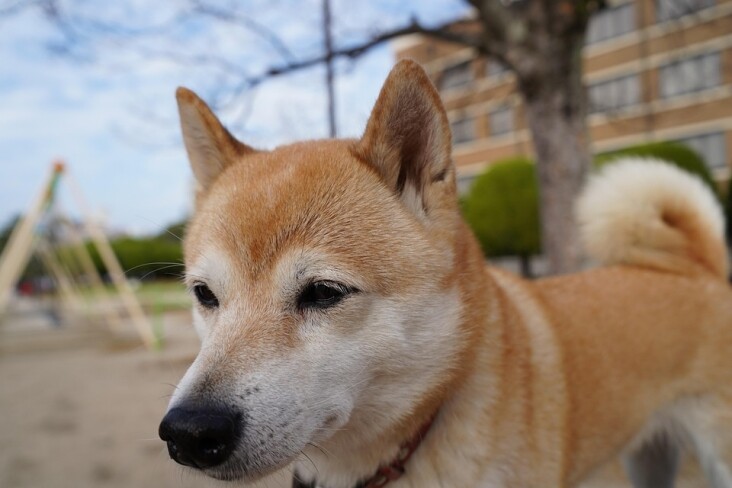
Why Shiba Inus Are the Boldest Companions for Your Home
Shiba Inus are a captivating breed known for their stunning appearance, spirited personality, and bold demeanor. Originating from Japan, they are one of the oldest and smallest native Japanese dog breeds, once serving as hunting dogs. With their fox-like faces, curled tails, and confident stances, Shiba Inus have captured the hearts of dog lovers around the world.
History of the Shiba Inu
The Shiba Inu traces its roots back to ancient Japan, where it was bred for hunting small game in mountainous regions. The breed’s name translates to “small dog,” which is reflective of its size compared to other Japanese breeds. After World War II, the breed faced near extinction, but dedicated breeders revived it, ultimately leading to its popularity today. Shiba Inus have been recognized for their loyalty, intelligence, and a unique blend of independence and affection.
Temperament and Personality Traits
Shiba Inus are known for their spirited and bold nature. They possess a keen intelligence and are often described as cat-like in their independence. However, they are also loyal companions who form close bonds with their families. Other notable personality traits include:
- Courageous: Shibas are not afraid to stand their ground, making them excellent watchdogs.
- Playful: They enjoy interactive play and can be quite energetic, often needing regular exercise.
- Affectionate: While they might exhibit a level of aloofness, particularly with strangers, they are affectionate with their families.
Grooming Needs
Shiba Inus have a double coat, which requires regular grooming. They shed moderately throughout the year and heavily during seasonal changes. Routine brushing helps manage shedding and keeps their coat healthy. Bathing should be done as needed, typically every few months unless they get particularly dirty.
Health Considerations
Like all breeds, Shibas are prone to certain health issues. While generally healthy, they can be susceptible to hip dysplasia, patellar luxation, and certain eye conditions. Regular veterinary check-ups, a balanced diet, and exercise can help mitigate health risks.
Suitability for Different Types of Households
Shiba Inus thrive in active households where they can receive ample exercise and mental stimulation. They can adapt to apartment living, provided they get daily walks and playtime. Socialization from an early age is essential to ensure they grow up well-adjusted and friendly with other pets and strangers.
Training and Socialization Tips
Owning a Shiba Inu comes with training challenges, primarily due to their independent streak. Here are some tips to ensure your Shiba becomes a well-behaved companion:
- Start Early: Beginners should begin training and socializing Shibas during puppyhood to help mitigate any stubbornness later on.
- Positive Reinforcement: Use treats and praise to reward good behavior, as Shibas respond better to rewards than punishments.
- Consistency is Key: Establish a routine and remain consistent with commands to reinforce desired behaviors.
- Socialize Frequently: Expose your Shiba to various environments, people, and pets to help them become more adaptable and less territorial.
What Is an emotional support animal (ESA)?
An Emotional Support Animal (ESA) is a pet that provides companionship and emotional comfort to individuals struggling with mental health issues. Unlike service animals trained specifically for disability assistance, ESAs do not have special training requirements. Designating a pet as an ESA allows individuals to have their animal with them in situations where pets are typically not allowed, such as apartments with strict no-pet policies or during travel.
Mental and Emotional Health Benefits of ESAs
Pets, including dogs and cats, have been scientifically proven to provide mental and emotional support. Here’s how they contribute to emotional well-being:
- Lowered Anxiety: The presence of a pet can significantly reduce feelings of anxiety and stress. Just petting a dog or cat has been shown to lower cortisol levels, a stress hormone.
- Increased Joy: The companionship of pets can uplift mood and prevent feelings of loneliness or despair. For example, individuals often report enhanced happiness levels while interacting with their pets.
- Routine and Responsibility: Caring for a pet establishes a daily routine, which can be beneficial for those who struggle with anxiety or depression.
Real-Life Example
Consider Sarah, who battled severe anxiety. After designating her Shiba Inu as her ESA, she found herself feeling significantly more relaxed during high-stress situations, such as social gatherings. The simple act of being in her dog’s presence gave her comfort and a sense of security, allowing her to engage more fully in life.
Key Information
- History: Shiba Inus are ancient Japanese hunting dogs known for their loyalty and intelligence.
- Temperament: They are bold, playful, and affectionate but can be independent and stubborn.
- Grooming: Regular brushing is essential; they have a double coat that sheds.
- Health: Shibas can be prone to specific health issues, so regular veterinary care is crucial.
- Socialization: Early socialization and training foster adaptability and good behavior.
- Emotional Support: ESAs provide companionship, lower stress, increase happiness, and contribute to better mental health.
How Dogs and Cats Provide Emotional Support
The psychological and emotional benefits of having pets are backed by research. Here are some important ways pets help enhance emotional health:
- Bonding and Connection: The bond between humans and their pets improves feelings of connection and belonging.
- Stress Relief: Studies have shown that interacting with pets lowers blood pressure and heart rates, promoting relaxation.
- Emotional Stability: Dogs and cats offer unconditional love and support, providing a stable presence in times of emotional distress.
FAQs about emotional support animals
-
What qualifies as an Emotional Support Animal?
Any domesticated pet, primarily dogs and cats, can be designated as an ESA when it provides emotional support. -
How do I get my pet certified as an ESA?
You need a letter from a licensed mental health professional stating that you require your pet for emotional support. -
Can any pet be an ESA?
Yes, as long as the pet provides emotional support, virtually any domesticated animal can be designated as an ESA. -
Are ESAs allowed in apartments that don’t allow pets?
Yes, ESAs are often permitted in no-pet housing due to their importance for emotional well-being. -
What are the responsibilities of an ESA owner?
Owners must ensure the health, well-being, and training of the ESA and comply with property rules regarding animals.
Conclusion
Shiba Inus make spectacular companions with their bold attitudes and loving nature. Beyond being vibrant and spirited pets, they can also fulfill the role of Emotional Support Animals, providing essential comfort to those in need. If you’re considering designating your Shiba or any pet as an ESA, look no further than Veripaw.org. Since 2012, Veripaw has been connecting pet owners with licensed mental health professionals, helping obtain ESA documentation, and offering high-quality pet accessories. Take the first step toward a more emotionally supportive life with your Shiba Inu today!

