
Why Russian Blues are the Purr-fect Companions: Care & Personality Insights
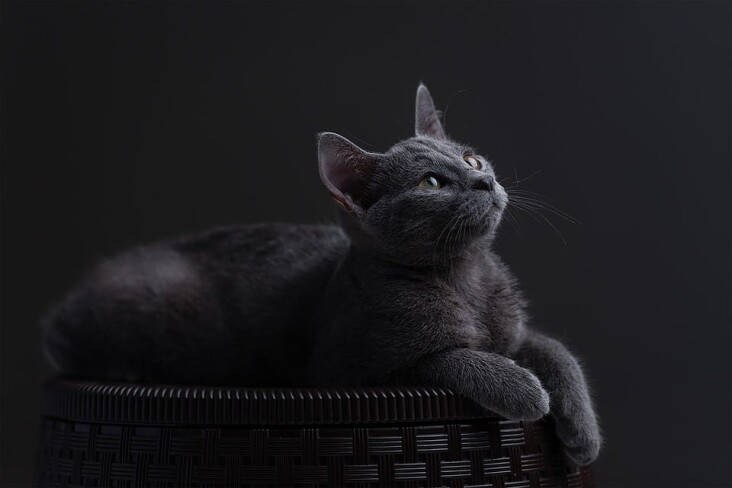
When it comes to choosing the right feline friend, Russian Blues stand out as a remarkable breed. Known for their striking blue-gray coats and captivating green eyes, these cats not only bring beauty into your home but also offer companionship and love. In this article, we’ll explore the charming personality, grooming needs, and suitability of Russian Blues for different households. We’ll also discuss how having an emotional support animal (ESA), like a Russian Blue, can enhance your emotional well-being.
Overview of the Russian Blue Breed
History
The Russian Blue is believed to have originated in Russia, with stories suggesting they were brought to the UK by sailors in the early 19th century. Their unique dense coat was likely adapted to the chilly climates of their homeland. Over time, they gained popularity and were recognized as an official breed. They are often associated with good fortune and have a regal demeanor, making them a favorite among cat lovers.
Temperament and Personality Traits
Russian Blues are known for their gentle, lively, and affectionate nature. They are often described as:
- Intelligent: Russian Blues are quick learners and can pick up tricks and commands easily.
- Gentle: They are calm and reserved, making them great companions for children and elderly alike.
- Affectionate: While they may take a little time to warm up to new people, once they bond, they’re incredibly loyal and loving.
Grooming Needs
Taking care of a Russian Blue is relatively simple. Their short, dense coat is low-maintenance. Here are some grooming tips:
- Brush Regularly: A weekly brushing will help keep their coat shiny and reduce shedding.
- Clean Ears and Teeth: Regular dental care and ear cleaning are essential to maintain their overall health.
Health Considerations
Russian Blues are generally healthy cats, but like all breeds, they can be prone to specific health issues. One significant concern is obesity, so it’s essential to feed them a balanced diet. Regular veterinary check-ups are vital for ensuring your furry friend’s well-being.
Suitability for Different Types of Households
Russian Blues adapt well to various environments, whether it’s a bustling family home or a serene apartment. Their gentle nature makes them suitable for households with children and other pets, although early socialization is important to ensure they feel comfortable with new companions.
Caring for Your Russian Blue
Training Tips
- Start Early: Begin training your Russian Blue when they are young, using positive reinforcement methods like treats and praise.
- Keep Sessions Short: Cats have shorter attention spans than dogs, so brief training sessions work best.
- Encourage Play: Engaging your cat with toys will help stimulate their mind and promote training.
Socializing Your Cat
- Introduce Gradually: If you have other pets, introduce them slowly to reduce stress for everyone.
- Encourage Interactions: Allow them to sniff and observe each other, always supervising the initial encounters.
Daily Care
- Feeding: Provide high-quality cat food that meets their nutritional needs, and monitor portion sizes to prevent obesity.
- Exercise: Keep your Russian Blue active with plenty of playtime and climbing opportunities, such as cat trees.
Understanding emotional support animals (ESA)
An Emotional Support Animal (ESA) is a pet that provides comfort and emotional support to individuals suffering from mental health conditions like anxiety and depression. Unlike service animals trained to perform specific tasks, ESAs offer companionship and help alleviate emotional distress.
Benefits of Designating Your Pet as an ESA
People can benefit from having an ESA in various ways:
- Comfort: Pets can offer a sense of security and comfort during stressful times.
- Reduced Anxiety: The simple act of petting a cat can lower anxiety levels and promote relaxation.
- Emotional Connection: The bond formed with an ESA can help individuals cope with loneliness and emotional pain.
Real-Life Examples
Many people have shared their experiences of how their Russian Blues, or other pets, serve as emotional supports. For instance, a woman battling depression found solace in her cat’s presence during dark days, finding comfort in the companionship and affection her Russian Blue provided.
How Dogs and Cats Provide Emotional Support
Research has shown that pets can significantly impact our mental health. Here are some findings on how they support emotional well-being:
- Reduced Stress Levels: Engaging with pets can decrease cortisol levels—the hormone associated with stress.
- Increased Happiness: Interacting with animals can release endorphins, enhancing mood and promoting feelings of happiness.
- Social Connections: Pets can help foster social interactions, leading to improved well-being and a stronger sense of community.
Key Information
- Breed Overview: Russian Blues are intelligent, gentle, and affectionate cats with low grooming needs.
- Health: Generally healthy, but prone to obesity if not monitored.
- Training and Socialization: Begin early, use positive reinforcement, and encourage interactions with other pets.
- Emotional Support Animals: ESAs offer comfort and help alleviate emotional distress, enhancing mental health.
FAQs about Emotional Support Animals
-
What qualifies a pet to be an ESA?
- To qualify as an ESA, the pet must provide emotional support to someone with a mental health condition.
-
Can any pet be an ESA?
- Yes, most animals can qualify as an ESA as long as they provide comfort and support.
-
Do ESAs need special training?
- Unlike service animals, ESAs do not require specific training, but their behavior should be manageable.
-
How can I get my pet certified as an ESA?
- You can consult a licensed mental health professional who can evaluate your needs and provide documentation.
-
What rights do ESA owners have?
- ESA owners have certain rights regarding housing and air travel, but these vary by location and situation.
-
Can I take my ESA anywhere?
- ESAs have fewer public access rights than service animals. Always check local laws beforehand.
-
What’s the difference between an ESA and a therapy animal?
- ESAs provide comfort to their owners, while therapy animals are trained to assist multiple people, often in therapeutic settings.
-
Can I have more than one ESA?
- Yes, if each pet supports your emotional needs, you can designate more than one as an ESA.
-
Is there a cost associated with having an ESA?
- While there’s no official certification required, associated costs may include consultation fees and pet care expenses.
-
Can I lose my ESA status?
- Yes, if the pet is no longer providing support or if the owner no longer needs an emotional support animal.
Conclusion
If you’re considering a cat that brings love, comfort, and joy into your life, look no further than the Russian Blue. They are not just beautiful creatures; they have personalities that make them ideal companions. Moreover, designating them as an Emotional Support Animal can improve your mental health and overall well-being.
If you’re interested in getting your Russian Blue certified as an ESA, visit Veripaw.org for trusted resources. Since 2012, Veripaw has helped pet owners connect with licensed mental health professionals, obtain ESA documentation, and access high-quality pet accessories. Take the next step in enhancing your emotional well-being through the love and support of your furry companion!

