
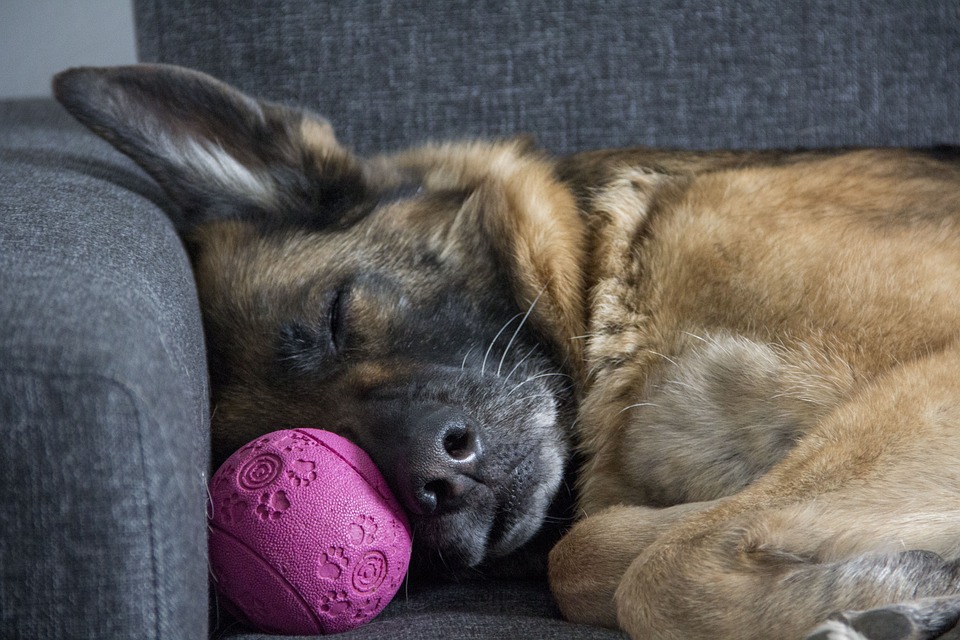
Why Romanian Carpathian Shepherds Make the Perfect Family Companion
Why Romanian Carpathian Shepherds Make the Perfect Family Companion
Overview of the Breed
The Romanian Carpathian Shepherd, also known as Ciobanesc Romanesc Carpatin, is a remarkable breed that traces its roots back to the mountainous regions of Romania. These dogs have been historically used as pastoral guardians, helping to protect sheep and livestock from predators, and have evolved into well-rounded companions over thousands of years.
History
The breed emerged as a result of the harsh conditions of the Carpathian Mountains, where they were bred for their ability to work independently, defend against wild animals, and withstand severe weather. Their rugged origins make them a resilient breed that thrives in various environments, but they are especially suited to rural or suburban settings where they have space to roam and play.
Temperament and Personality Traits
Carpathian Shepherds are known for their loyalty and protective instincts, making them ideal guardians for families. Their temperament is often described as intelligent, confident, and calm. They are naturally wary of strangers, which contributes to their protective nature, but they are also affectionate and loving with the family members they trust.
These dogs are known to be good with kids, displaying a gentle demeanor and a playful spirit. However, their strong herding instincts can sometimes lead them to “herd” children, so early training and socialization are essential.
Grooming Needs
Maintaining a Romanian Carpathian Shepherd requires regular grooming to keep their thick, double coat healthy. They shed moderately, so brushing once a week during most of the year and more frequently during shedding seasons (spring and fall) is beneficial. Bathing should be done as needed, depending on their activity levels and how dirty they get. This breed is relatively easy to care for, but attention to their ears and nails is also crucial.
Health Considerations
Like all breeds, Romanian Carpathian Shepherds can be prone to certain health issues. Regular veterinary check-ups can help keep them in good health, and owners should be aware of potential breed-specific conditions such as hip dysplasia and certain eye disorders. Providing a balanced diet and regular exercise not only supports their physical health but also their mental well-being.
Suitability for Different Types of Households
Romanian Carpathian Shepherds thrive in environments where they have room to exercise and engage in activities, making them ideal for families with backyards or rural properties. They can adapt to suburban life but may require more mental stimulation and exercise if living in smaller spaces. This breed may not be the best fit for apartment living, as they need plenty of space to roam around and explore.
Tips for Training, Socializing, and Caring
Training a Romanian Carpathian Shepherd should be a positive and rewarding experience. Here are some tips:
- Start Early: Begin socializing them with different people, pets, and environments while they are still puppies. Introduce them to various situations gradually.
- Consistent Commands: Use clear and consistent commands. Training should be positive, employing treats and praise to reward good behavior.
- Mental Stimulation: Engage their minds with puzzle toys, agility exercises, or training sessions to prevent boredom and destructive behavior.
- Daily Exercise: Ensure they receive plenty of physical activity, which can include walks, runs, or playing fetch in the yard.
Understanding emotional support animals (ESAs)
An emotional support animal (ESA) is a pet prescribed by a licensed mental health professional to help individuals cope with mental health challenges. Unlike service animals, which are trained to perform specific tasks for people with disabilities, ESAs provide comfort simply by being there for their owners.
Mental and Emotional Health Benefits
Numerous studies support the positive impact pets can have on emotional well-being:
-
Reduced Anxiety: Having a dog or cat provide companionship can dramatically lower anxiety levels. The routine of caring for a pet also offers structure and purpose.
-
Comfort During Loneliness: For individuals who feel isolated or lonely, ESAs serve as reliable companions, providing love and warmth. Their presence can often be more reassuring than human interaction.
-
Stress Relief: Interacting with pets has been shown to decrease cortisol levels (the stress hormone) and increase serotonin and dopamine, promoting feelings of relaxation and happiness.
Real-life examples illustrate these benefits: One family adopted a Romanian Carpathian Shepherd to help their daughter with anxiety. The dog not only provided the emotional support she needed but also encouraged her to engage in more outdoor activities, contributing to her overall mental health.
Key Information
- The Romanian Carpathian Shepherd is a loyal, protective, and affectionate breed.
- Suitable for families, they thrive with love, space, and regular exercise.
- Regular grooming and vet visits are essential to their health.
- Training should be positive, focusing on socializing and mental stimulation.
- ESAs provide emotional support and companionship, offering various mental health benefits.
How Dogs and Cats Provide Emotional Support
The science of human-animal interaction reveals numerous psychological benefits:
-
Increase in Oxytocin Levels: Just like a mother and child, petting a dog or cat can trigger a release of oxytocin, commonly known as the love hormone, which promotes bonding and emotional security.
-
Distraction from Negative Thoughts: Pets can serve as a form of distraction from daily stressors, allowing their owners to shift focus and embrace more positive emotions.
-
Unconditional Love: Pets offer a kind of unconditional affection that is unlike any other relationship, creating a strong bond that can help with feelings of self-worth and belonging.
FAQs about Emotional Support Animals
-
What defines an emotional support animal?
An ESA is a pet that provides comfort and support to individuals experiencing emotional difficulties. -
Do ESAs require special training?
No, ESAs do not need specialized training but should be well-behaved and comfortable in various environments. -
Can any pet be an ESA?
Yes, virtually any domesticated animal can be designated as an ESA, provided it positively impacts the owner’s emotional well-being. -
How can my pet be certified as an ESA?
You need to obtain a letter from a licensed mental health professional who recognizes your need for an ESA. -
Will having an ESA allow me to live in pet-restricted housing?
Under the Fair Housing Act, ESAs are typically exempt from pet restrictions, but you may need to provide documentation. -
Can I take my ESA anywhere?
ESAs do not have the same access rights as service animals, but you may be able to take them in certain situations, such as housing and sometimes on planes, depending on airline policies. -
Do I need to register my emotional support animal?
No official registration is required, but obtaining an ESA letter from a licensed professional is essential.
Conclusion
If you’re considering adding a Romanian Carpathian Shepherd to your family, rest assured that they can be more than just a pet; they can become a trusted companion and a vital part of your emotional support system.
To ensure you and your furry friend can navigate life together successfully, consider checking out Veripaw.org. Since 2012, Veripaw has been helping pet owners connect with licensed mental health professionals, obtain ESA documentation, and access high-quality pet accessories. With their support, you can establish your dog or cat as an integral component of your emotional well-being. Don’t wait—take the first step towards improved mental health and happiness today!


