
Why Ragdoll Cats Make the Ultimate Family Pets: 7 Irresistible Traits
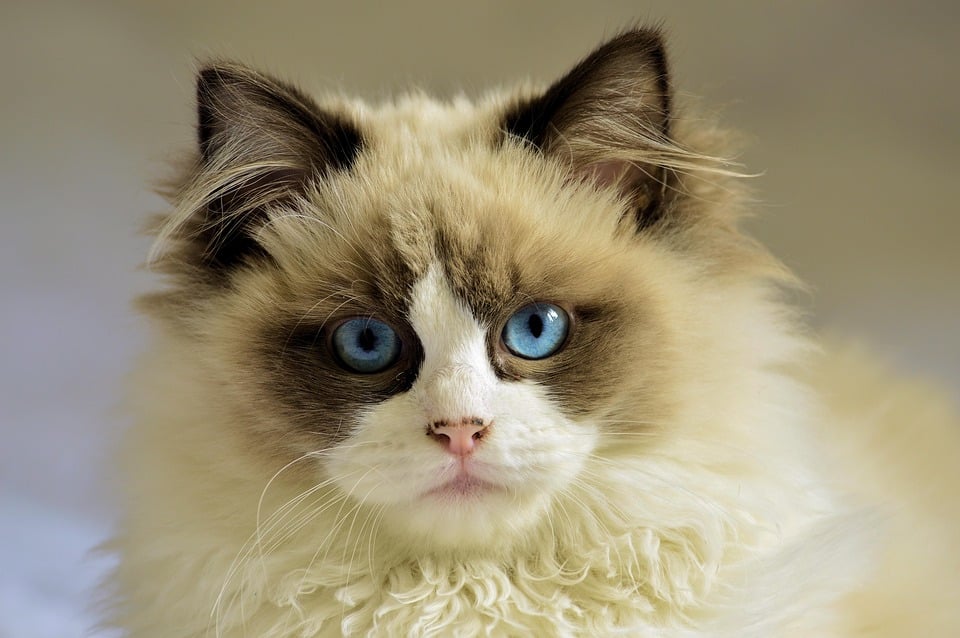
When considering the ideal family pet, many people think about dogs. However, Ragdoll cats are quickly becoming a favorite choice for families worldwide. Originating in the 1960s from California, Ragdolls were bred by Ann Baker, who aimed to create a gentle and affectionate cat. Today, they are known for their striking blue eyes, semi-long fur, and, importantly, their docile and loving temperament. In this article, we will explore seven irresistible traits that make Ragdoll cats the ultimate family pets, and we’ll also discuss their suitability for various households, their grooming needs, and why they can serve as emotional support animals.
A Closer Look at Ragdolls
History
Ragdolls emerged in the 1960s when Ann Baker decided to breed a domestic longhaired cat with a Birman-type cat. Her goal was to create a feline that was not only physically attractive but also gentle, quiet, and affectionate. This led to the distinct characteristics that define Ragdolls today.
Temperament and Personality Traits
Ragdolls are known for their sweet and calm demeanor. They are incredibly affectionate, often seeking out human companionship and enjoying being held. Their name comes from their tendency to go limp when picked up, making them snuggly lap cats. They are also playful yet not overly hyperactive, making them perfect for families with children or other pets.
Grooming Needs
With their semi-long fur, Ragdolls do require regular grooming—at least once a week. This helps minimize shedding and prevents matting. During shedding seasons, more frequent brushing may be necessary. They are generally healthy, but regular veterinary checkups are essential, as they can be prone to certain genetic conditions like hypertrophic cardiomyopathy (HCM).
Suitability for Different Households
Ragdolls thrive in a variety of living conditions, from apartments to large homes, as long as they have a loving family to keep them company. They are generally good with children and other pets because of their gentle nature. Their low to moderate energy levels make them adaptable, so they don’t require excessive playtime or exercise.
7 Irresistible Traits of Ragdoll Cats
1. Exceptional Affection
Ragdolls are often described as “puppy-like” because of their penchant for following their owners around, seeking attention, and snuggling. This makes them ideal companions for families who appreciate a loving pet.
2. Gentle with Children
Their calm temperament makes Ragdolls very tolerant of children. They don’t usually scratch or bite, which reduces the chances of accidents when kids interact with them.
3. Low-Maintenance Personalities
While regular grooming is essential, Ragdolls are relatively easygoing cats. They enjoy being handled, which is great for kids who want to hold and play with them.
4. Playful Nature
Ragdolls love to engage in playtime, but they aren’t hyperactive. They enjoy interactive toys and games that allow for bonding with family members without overwhelming energy levels.
5. Intelligent and Trainable
Ragdolls are intelligent cats, and many owners report success in teaching their Ragdolls tricks or commands. They often enjoy learning, which can be a great way to spend time together.
6. Social Creatures
Ragdolls thrive on human interaction and don’t like being left alone for extended periods. They do well in multi-pet households and often form strong bonds with their family members.
7. Ideal for Emotional Support
Ragdolls have an innate ability to sense when their owners are feeling low or anxious. Their gentle and affectionate nature makes them excellent companions, providing emotional support when needed most.
Training and Socializing Your Ragdoll
Training Tips
- Start Early: Begin training your Ragdoll as a kitten, focusing on basic commands and litter box training.
- Use Positive Reinforcement: Reward your cat with treats or affection when they follow commands or exhibit good behavior.
- Engage Their Minds: Provide puzzle toys that stimulate their intelligence, ensuring they remain engaged and happy.
Socializing Your Ragdoll
- Introduce Gradually: If you have other pets, introduce them slowly to ensure a smooth transition.
- Encourage Interactions: Encourage gentle interactions with children, supervising playtime to avoid any accidents.
- Create a Calm Environment: Provide safe spaces where your Ragdoll can retreat if they feel overwhelmed.
Understanding Emotional Support Animals (ESAs)
An emotional support animal (ESA) is a pet that provides comfort and support to individuals with emotional or psychological conditions. Unlike service animals that are trained for specific tasks, ESAs do not require special training but offer companionship that can alleviate symptoms of anxiety, depression, and other mental health issues.
Benefits of Designating Your Ragdoll as an ESA
Ragdolls are particularly poignant candidates for ESAs due to their comforting nature. They can offer company, reduce feelings of loneliness, and help relieve stress with their gentle demeanor.
Mental and Emotional Health Benefits
Research shows that interacting with pets can lead to various mental health benefits, including:
- Reduced Anxiety: Petting a cat can lower cortisol (the stress hormone) levels, making you feel calmer.
- Improved Mood: The companionship of a cat can alleviate feelings of depression, providing a sense of purpose and companionship.
- Enhanced Social Interactions: Pets can also serve as social facilitators, making conversations easier and reducing social anxiety.
Real-Life Examples
Many people find that their Ragdoll helps them cope with emotional hurdles. For example, a person recovering from anxiety might find solace in snuggling with their Ragdoll, who provides unwavering companionship during challenging times.
Key Information
- History: Ragdolls originated in the 1960s, bred for their gentle temperament.
- Temperament: They are affectionate, easygoing, and good with children and other pets.
- Grooming: They require regular grooming but are relatively low maintenance.
- Training: They are intelligent and easily trainable with positive reinforcement.
- Emotional Support: Ragdolls can serve as effective ESAs, offering comfort and reducing stress.
How Dogs and Cats Provide Emotional Support
The Science Behind Emotional Bonds
Studies indicate that spending time with pets can increase serotonin and dopamine levels, neurotransmitters responsible for happiness and well-being. Furthermore, the simple act of petting a cat can release oxytocin, the “love hormone,” which boosts feelings of affection and connection.
Psychological Benefits
Pets often lend a listening ear without judgment, allowing owners to express emotions freely. This non-verbal communication can be more comforting than discussing feelings with a person, particularly for those who find it challenging to open up.
FAQs About Emotional Support Animals
-
What qualifies a pet as an Emotional Support Animal?
- Any pet can be designated an ESA if it provides comfort and emotional support to its owner.
-
Do ESAs need to have special training?
- No, ESAs do not require specialized training, unlike service animals.
-
Can I take my ESA anywhere?
- Unlike service animals, ESAs do not have universal access rights and are subject to housing laws and airline regulations.
-
How do I get my pet certified as an ESA?
- Consult with licensed mental health professionals who can evaluate your situation and provide documentation.
-
Will my ESA live longer with my emotional support?
- While the bond may enhance both your emotional well-being and the pet’s quality of life, factors like breed and care predominantly influence lifespan.
Conclusion
If you are looking for a loving, gentle, and interactive pet, consider welcoming a Ragdoll cat into your home. With their unique combination of affectionate traits and suitability for families, they can truly be the ultimate family pet. But beyond companionship, they can also serve as Emotional Support Animals, providing relief during challenging times.
For those interested in designating their Ragdoll as an ESA, look no further than Veripaw.org. Since 2012, Veripaw has been connecting pet owners with licensed mental health professionals, guiding you through the certification process while offering high-quality pet accessories that cater to your furry friend’s needs. Give your beloved pet the recognition they deserve today!


