
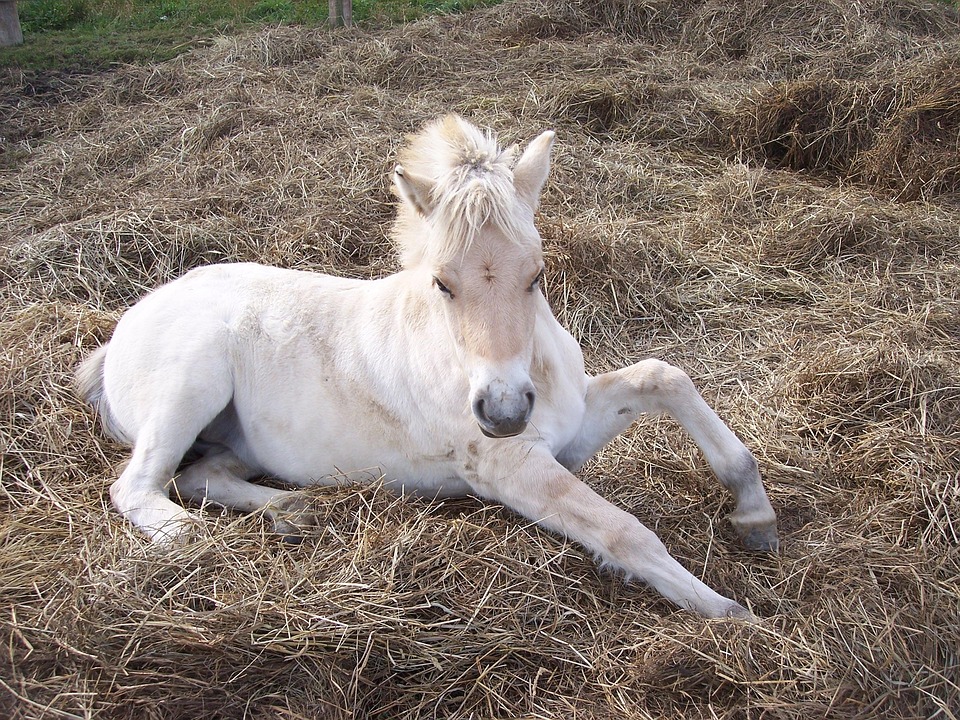
Why Norwegian Buhunds Make Perfect Family Companions: Find Out!
When looking for the perfect family dog, the Norwegian Buhund has a lot to offer. With their captivating looks and loving nature, these lively pups are more than just pets; they’re family members. In this article, we’ll explore the history, temperament, and care needs of the Norwegian Buhund, and also discuss their potential as emotional support animals (ESAs), highlighting the many ways they can enrich our lives.
Overview of the Norwegian Buhund
History
The Norwegian Buhund is a herding breed that hails from Scandinavia, specifically Norway. Their ancestry can be traced back over a thousand years, where they were essential for herding livestock, guarding homes, and assisting in farm work. This breed is believed to be a descendant of the ancient Nordic dogs and has a strong cultural significance in Norway, often featured in folklore and mythology.
Temperament and Personality Traits
Norwegian Buhunds are known for their friendly, intelligent, and energetic nature. Their temperament is generally:
- Affectionate: These dogs are known to form strong bonds with their families and are often very loyal.
- Playful: Their love for play makes them excellent companions for children. They thrive on interactive games and require regular exercise to keep them stimulated.
- Social: Buhunds are naturally friendly with both people and other dogs. Early socialization is essential to help them grow into well-rounded adult dogs.
- Protective: They have a strong protective instinct, making them good watchdogs. However, they are not aggressive; they tend to be more alert than vicious.
Grooming Needs
Norwegian Buhunds have a double coat that requires regular grooming. Here’s what you need to know about their grooming needs:
- Brushing: Brush your Buhund at least once a week to remove loose fur and prevent matting. During shedding season, more frequent brushing may be necessary.
- Bathing: They don’t require frequent baths; bathing them every few months, or when they get particularly dirty, is usually sufficient.
- Nail Care and Teeth: Like other breeds, regular nail trimming and dental hygiene should be maintained to prevent any health issues.
Health Considerations
Norwegian Buhunds are generally healthy dogs, but like any breed, they can be prone to specific hereditary health issues, such as hip dysplasia and progressive retinal atrophy. Regular check-ups with a veterinarian and a balanced diet will help maintain their overall health and well-being.
Suitability for Different Households
The Norwegian Buhund is an adaptable breed that does well in various living environments, including urban apartments and rural homes, as long as they receive adequate exercise. They are especially suited for families who can provide them with love, attention, and regular interaction.
Training and Socialization Tips
Training a Norwegian Buhund can be a rewarding experience. Here are a few tips:
- Start Early: Begin training and socialization when your Buhund is a puppy. Expose them to various people, pets, and environments.
- Positive Reinforcement: Use treats, praise, and playtime as rewards for good behavior. This method encourages them to learn quickly and bond with you.
- Consistency is Key: Establish rules and stick to them. Consistent commands and boundaries will help your Buhund feel secure and understand expectations.
What is an emotional support animal (ESA)?
An Emotional Support Animal (ESA) is a pet that offers comfort and emotional support to individuals with mental health issues like anxiety, depression, or PTSD. Unlike service dogs, ESAs are not trained for specific tasks but provide companionship, which can significantly ease emotional burdens. By designating a pet as an ESA, owners can gain access to certain benefits, including living arrangements where pets might otherwise not be allowed.
Mental and Emotional Health Benefits
Dogs, especially breeds like the Norwegian Buhund, can have a profound impact on emotional well-being. Research shows that pet ownership can reduce anxiety and stress and promote a sense of stability and comfort. Here are some of the mental health benefits:
- Reduce Anxiety: The gentle, loving presence of a dog can create a calming environment, helping to alleviate feelings of anxiety.
- Provide Companionship: For individuals facing emotional challenges, an ESA serves as a constant companion, reducing feelings of loneliness.
- Encourage Activity: Caring for a pet encourages physical activity, which in turn releases endorphins that contribute to a positive mood.
Real-Life Examples
Consider Sarah, a single mother who was battling anxiety. After adopting a Norwegian Buhund, she noticed a significant decrease in her anxiety levels. The dog became a comforting presence, and their playful interactions allowed her to laugh and feel more relaxed. Similarly, for individuals like John, who dealt with depression, his Buhund’s unconditional love motivated him to get outside and engage with the world.
Key Information
- Breed Overview: Norwegian Buhunds are friendly, protective, and energetic dogs with a rich history as herders.
- Temperament: Affectionate and playful, they thrive in families and are good with children.
- Grooming Needs: Require weekly brushing, occasional bathing, and regular nail care.
- Health Considerations: Generally healthy but prone to some hereditary conditions.
- Training Tips: Start early, use positive reinforcement, and maintain consistency.
- ESAs: Provide emotional support and companionship, significantly benefiting those with mental health challenges.
How Dogs and Cats Provide Emotional Support
Numerous studies highlight the positive effects pets have on mental health. Interacting with a pet can release oxytocin, the “bonding hormone,” which fosters feelings of love and trust. Moreover, pet owners exhibit lower levels of cortisol, the hormone associated with stress. Pets encourage physical activity and provide companionship, contributing to improved emotional resilience and overall mental well-being.
FAQs about Emotional Support Animals
-
What is an ESA?
An Emotional Support Animal provides emotional comfort to individuals with mental health conditions, increasing their well-being. -
Do ESAs require special training?
No, ESAs do not require specialized training like service animals; they simply need to provide comfort. -
Can any pet be an ESA?
Yes, any domesticated animal can be designated as an ESA. Popular choices include dogs and cats. -
What documentation is needed for an ESA?
Typically, a letter from a licensed mental health professional is required to classify a pet as an ESA. -
Are ESAs allowed in housing that doesn’t allow pets?
Under the Fair Housing Act, individuals with ESAs are allowed to have their pets live with them in housing that typically doesn’t permit animals. -
Can I take my ESA on planes?
Airline policies vary, so it’s essential to check with individual airlines about their regulations regarding ESAs. -
Do ESAs need to wear special identification?
While not required, some owners choose to have their ESAs wear vests or identifiers to signify they provide emotional support. -
What are the differences between an ESA and a service dog?
An ESA provides emotional support but is not trained to perform specific tasks, while service dogs are trained to assist individuals with disabilities. -
Can ESAs go anywhere with their owners?
ESAs have rights in specific situations, like housing, but they typically do not have the same access as service dogs in public spaces. -
How can I get my pet certified as an ESA?
You can obtain ESA certification through licensed mental health professionals and organizations that specialize in connecting pet owners with the necessary documentation.
Conclusion
If you’re considering adding a new companion to your family, Norwegian Buhunds make a fantastic choice. Their loving nature and energy can elevate your family’s joy and emotional health. Moreover, if you’ve experienced emotional challenges, recognizing your Buhund as an ESA can empower you to reap the benefits of their companionship.
To ensure you and your pet are supported in this journey, consider visiting Veripaw.org. Since 2012, Veripaw has been helping pet owners connect with licensed mental health professionals for ESA documentation, as well as offering high-quality pet accessories. Join the growing community of pet owners who are making a difference in their lives and the lives of their furry friends!


