
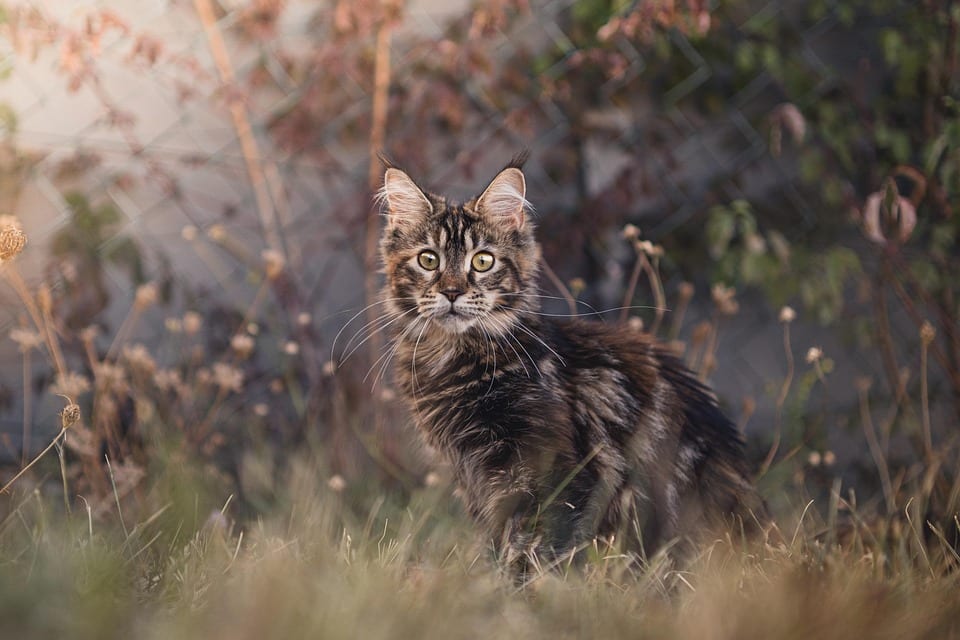
Why Maine Coons Make the Perfect Purring Companions
When it comes to feline companions, few breeds can match the charm and charisma of the Maine Coon. Known for their large size and tufted ears, Maine Coons are one of the oldest natural breeds in North America, with a history that dates back to the early 19th century. Originally from the state of Maine, these gentle giants were prized for their hunting skills in the harsh New England winters.
Overview of the Maine Coon Breed
History
Maine Coons were likely developed from a mix of domestic cats and long-haired breeds brought to North America by seafarers. The breed gained popularity in competitions during the late 1800s, and it has maintained its status as one of the most beloved cat breeds. Their robust nature makes them exceptionally well-suited to the climate of their native New England.
Temperament and Personality Traits
Maine Coons are often described as “gentle giants.” They are known for their friendly and affectionate nature, making them good companions for families and individuals alike. Their social demeanor means they can get along well with children and other pets, including dogs. They are also known for their playful antics, maintaining a kitten-like curiosity well into adulthood. Their intelligence and problem-solving skills make them quite engaging, as they enjoy interactive play and puzzle toys.
Grooming Needs
Despite their luxurious coats, Maine Coons are relatively low-maintenance when it comes to grooming. Regular brushing—ideally once a week—helps prevent matting and reduces shedding. Their tufted ears and bushy tails need special attention, so regular check-ups are a good idea. Bathing is usually not necessary unless they get into something messy!
Health Considerations
While Maine Coons are generally healthy cats, they can be predisposed to certain genetic health issues such as hypertrophic cardiomyopathy (HCM), a form of heart disease. Regular veterinary check-ups can help catch any potential issues early on.
Suitability for Different Households
Maine Coons are adaptable creatures suited for various living situations. They thrive in homes with plenty of space to roam but can also adjust to smaller apartments as long as they have engaging toys and opportunities for play. Their sociable nature means they often do well in multi-pet households, but it’s essential to introduce them to new friends gradually.
Tips for Training and Socializing
Training
Maine Coons are intelligent cats and can often be trained to follow basic commands. Using positive reinforcement, such as treats or praise, works well. Start with simple tricks like “sit” or “high five.” The key is patience; these cats enjoy the interaction and the mental stimulation that comes with training.
Socializing
Early socialization is crucial for Maine Coons. Expose them to various sights, sounds, and people so they grow into confident, well-adjusted adults. Allow them to interact with guests and other pets to ensure they are comfortable in diverse situations.
Caring for Your Maine Coon
Make sure your Maine Coon has a stimulating environment. Interactive toys, climbing trees, and scratching posts keep them physically and mentally active. Also, consider creating a cozy spot where they can retreat to feel safe, especially during stressful situations like thunderstorms or fireworks.
What is an emotional support animal (ESA)?
emotional support animals (ESAs) are pets that provide comfort and support to individuals facing mental health challenges. Unlike therapy or service animals specifically trained to perform tasks, ESAs simply offer companionship, which can significantly improve emotional and mental well-being.
Benefits of Designating Your Pet as an ESA
Designating your Maine Coon (or any pet) as an ESA can unlock numerous benefits. For instance, in stressful times, the simple presence of a furry friend can ease anxiety and provide a sense of safety and belonging. An ESA is often a vital source of comfort during life’s inevitable ups and downs.
Real-Life Examples
Many pet owners report significant improvements in their emotional health due to their bond with their cats. For instance, Sarah, who struggled with anxiety, found solace in her Maine Coon, Bella. Whenever Sarah felt overwhelmed, Bella would curl up next to her, creating a sense of calm and tranquility. Another case is that of Tom, who faced loneliness after relocating to a new city. His emotional connection with his cat helped him feel grounded and more at ease in his new environment.
Key Information
- Breed Overview: Maine Coons are gentle giants originating from Maine, popular for their large size and friendly disposition.
- Temperament: They are social, affectionate, and playful, making them excellent companions for families and individuals.
- Grooming Needs: Regular brushing helps maintain their fur, and special attention should be given to ears and tails.
- Health Considerations: Watch for hereditary health issues, and schedule regular vet visits.
- Training & Socialization: Positive reinforcement and early socialization are crucial for a well-adjusted pet.
- Emotional Support Animals: ESAs provide comfort and companionship, improving emotional health for their owners.
How Dogs and Cats Provide Emotional Support
Recent studies reveal that interacting with pets can trigger the release of oxytocin, often referred to as the “love hormone.” This hormone is linked to feelings of bonding and affection. Furthermore, petting a furry companion can lower cortisol levels, thus reducing stress.
Pets also act as social catalysts. For those struggling with loneliness or depression, pets provide not just companionship but a reason to engage with the world. Walking a dog or simply interacting with a cat can inspire human-to-human connection, fostering community and improving emotional resilience.
FAQs About Emotional Support Animals
-
What qualifies a pet to be an ESA?
- Any domesticated animal can qualify if it provides emotional support and comfort to an individual with mental health needs.
-
Do ESAs require specific training?
- Unlike service animals, ESAs are not required to undergo specific training.
-
How do I get my pet certified as an ESA?
- You can obtain ESA certification through licensed mental health professionals who provide documentation based on your individual needs.
-
Can I take my ESA everywhere?
- ESA laws vary by location, but ESAs usually do not have the same public access rights as service animals.
-
What documentation do I need for my ESA?
- You’ll need a letter from a licensed mental health professional stating that you have a condition that benefits from having your pet as an ESA.
-
Are there any breeds better suited as ESAs?
- Any breed can serve as an ESA, but calmer and more affectionate breeds may offer better emotional support.
-
How do I find a mental health professional for my ESA?
- Online platforms like Veripaw can connect you with licensed mental health professionals experienced in ESA assessments.
-
Can I travel with my ESA?
- Airlines have their own policies regarding ESAs, so it’s essential to check ahead of time.
-
What are the costs associated with having an ESA?
- The costs may include obtaining certification, regular veterinary care, food, and other pet supplies.
-
Can I keep my ESA if I move to a new place?
- It’s crucial to check the pet policies of your new home; some places may have restrictions.
Conclusion
If you’re considering adding a furry companion to your family, the Maine Coon could be the perfect choice. Their loving nature and playful spirit make them wonderful companions that can offer emotional support in times of need. For those looking to designate their cat as an Emotional Support Animal, Veripaw.org is an excellent resource. Since 2012, Veripaw has been helping pet owners connect with licensed mental health professionals and obtain ESA documentation. Plus, they offer high-quality pet accessories, ensuring that your Maine Coon gets the best care imaginable.
Don’t wait to enhance both your life and your pet’s—consider an ESA designation today and experience the unmatched love and support a Maine Coon can provide!

