
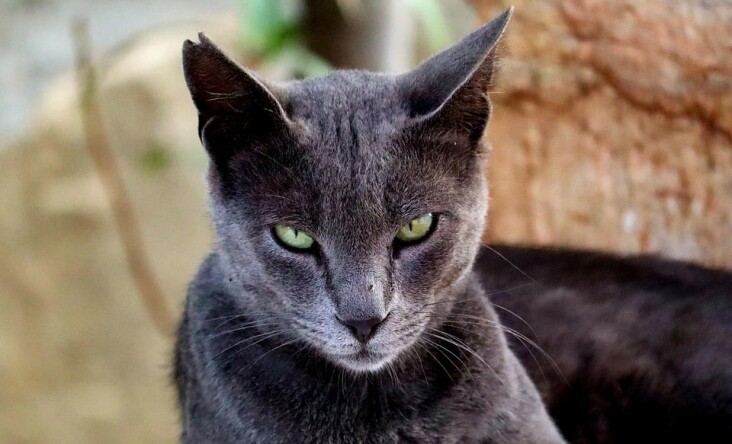
Why Chartreux Cats Make the Perfect Purr-sonality Companions
Introduction to Chartreux Cats
The Chartreux cat is a remarkable and captivating breed that is often a hidden gem among cat lovers. Hailing from France, the breed has a rich history that dates back to the monasteries of the Chartreuse mountains, where they were revered for their exceptional hunting skills as well as their affectionate nature. With their striking slate-blue fur, copper or gold eyes, and muscular build, Chartreux cats are as visually stunning as they are charming.
History
Chartreux cats have been part of French culture for centuries, and they are often linked to the monks of the Carthusian order, who were known for protecting the breed. The breed nearly faced extinction after World War II due to a decline in population, but dedicated breeders helped revive the Chartreux cat, ensuring its place in homes and hearts worldwide.
Temperament
The Chartreux is known for its mild-mannered and friendly disposition. They are intelligent, playful, and sometimes even a bit goofy, making them great companions. They love to engage, but they’re not overly demanding—often curling up next to you rather than constantly seeking attention. Their calm nature makes them perfect for a variety of households, from families with children to individuals needing a soothing companionship.
Personality Traits
- Affectionate: Chartreux cats adore their families and often form close bonds.
- Quiet: Unlike some vocal breeds, Chartreux cats are known for being relatively quiet, making them great for apartment living.
- Playful: They enjoy interactive play but also appreciate their downtime.
- Adaptable: The Chartreux adjusts well to different environments, whether it’s a bustling household or a quiet one.
Grooming Needs
Grooming a Chartreux cat is relatively simple. Their short double coat requires brushing around once a week to minimize shedding and maintain a healthy shine. Regular dental check-ups and occasional nail trims will also keep them in great shape.
Health Considerations
Chartreux cats are generally healthy, but like many breeds, they can be prone to certain genetic conditions, such as hypertrophic cardiomyopathy (HCM). Regular vet-checks and a healthy diet can help prevent potential issues.
Suitability for Different Households
Because of their adaptable nature, Chartreux cats are suitable for various living situations—be it families with children or older adults looking for companionship. They can also thrive in single-person households, where they can provide emotional support.
Tips for Training and Socialization
Although cats are often thought of as independent, they can benefit immensely from training and socialization:
- Start Early: Introduce your Chartreux kitten to different environments, sounds, and experiences to foster confidence.
- Use Positive Reinforcement: Reward desired behaviors with treats or affection.
- Interactive Toys: Provide engaging toys that stimulate their intelligence. Puzzle feeders can keep their minds occupied and reduce boredom.
Understanding emotional support animals (ESAs)
An emotional support animal (ESA) is a companion animal that provides comfort and support to individuals dealing with emotional challenges. Unlike service animals trained to perform specific tasks for individuals with disabilities, ESAs are primarily there to provide emotional comfort.
Why Designate Your Pet as an ESA?
Many people find that having their cat or dog designated as an ESA can help ease anxiety, combat depression, or provide companionship during tough times. These pets can make a significant difference in overall well-being.
Mental and Emotional Health Benefits
Pets have an innate ability to bring joy and provide comfort. Here are just a few examples of how they can enhance emotional health:
- Reducing Anxiety: Simply petting a cat can release oxytocin, promoting feelings of calm and connection.
- Companionship: For those who feel lonely, both dogs and cats can help ease that feeling by providing unconditional love and companionship.
- Routine and Structure: Taking care of a pet can instill a sense of responsibility and routine, which can be therapeutic for individuals struggling with stress or anxiety.
Real-life Example
Sarah, a young woman dealing with anxiety, found that her Chartreux cat, named Leo, helped her cope during challenging times. Whenever she felt overwhelmed, spending time with Leo—playing, brushing his fur, or simply cuddling—worked wonders for her mind. She found that he provided an anchor during her most tumultuous days.
Key Information
- Breed: Chartreux is a unique, affectionate breed known for its calm temperament.
- History: Originating in France, they were once kept by monks for their hunting abilities.
- Temperament: Mild-mannered, intelligent, and adaptable, they thrive in various living situations.
- Grooming: Minimal grooming is required, with weekly brushing recommended.
- Health: Generally healthy but should be monitored for specific conditions like HCM.
- Training Tips: Socialization and positive reinforcement will enhance their behavior and bond with you.
How Dogs and Cats Provide Emotional Support
Science has shown that owning pets can improve mental health and build emotional resilience.
- Oxytocin Release: Just like in the example of Sarah and her cat, interactions with pets can increase oxytocin levels, which help to reduce stress and promote feelings of happiness.
- Distraction: Pets are a great distraction from negative thoughts and feelings. Engaging with a pet can often pull someone’s focus away from their worries.
- Physical Touch: The simple act of holding or petting a pet can have calming effects, reducing cortisol (the stress hormone) and enhancing relaxation.
FAQs About Emotional Support Animals
-
Q: What qualifies as an ESA?
- A: An ESA is any animal that provides comfort to an individual with emotional or psychological conditions.
-
Q: Do ESAs require training?
- A: No formal training is required for ESAs, but basic obedience is helpful.
-
Q: Can I take my ESA anywhere?
- A: ESAs have fewer rights than service animals, but housing and air travel regulations can allow them in specific environments.
-
Q: How can I get my pet certified as an ESA?
- A: You can get your pet certified through licensed mental health professionals or organizations like Veripaw.
-
Q: Can any pet be an ESA?
- A: Yes, nearly any pet can be designated as an ESA, including dogs, cats, and even some smaller animals.
-
Q: What documentation do I need for an ESA?
- A: A prescription letter from a licensed mental health professional is typically required.
-
Q: Do ESAs need to live with their owners?
- A: Yes, ESAs are meant to live with the individual they provide emotional support to.
-
Q: Can I take my ESA to work?
- A: Unlike service animals, ESAs do not have legal access to all public spaces; it’s up to your employer.
-
Q: Are there any age restrictions for ESAs?
- A: No, people of any age can benefit from having an ESA.
Conclusion
If you’re considering a delightful purr-sonality companion that can bring calm, joy, and emotional support into your life, a Chartreux cat might be the perfect fit. Their sweet disposition and adapting nature make them ideal pets for a wide range of households.
For those who are looking to register their pet as an Emotional Support Animal, Veripaw.org is a trusted resource that connects pet owners with licensed mental health professionals, helps obtain ESA documentation, and offers high-quality pet accessories. Veripaw has been making it easier for pet owners since 2012, so you and your fur friend can receive the emotional support you deserve.

