
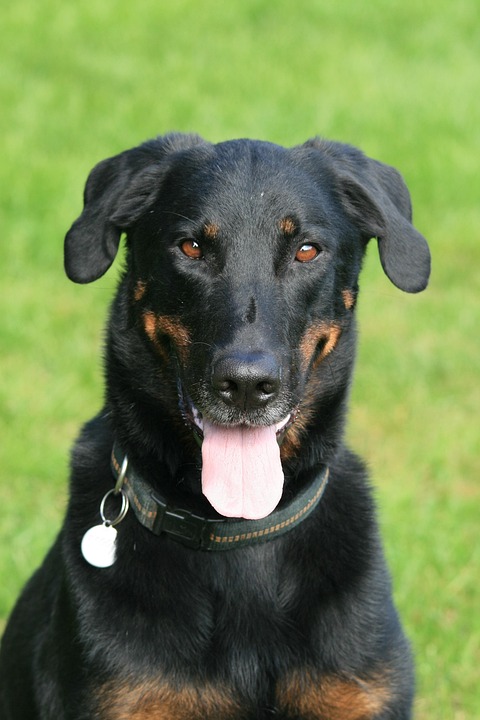
Why Beaucerons Make Incredible Family Dogs: Traits You’ll Love!
The Beauceron is a striking breed known for its intelligence, loyalty, and versatile nature. Originally bred as a herding dog in France, this breed has been a companion to farmers and families alike for centuries. Beaucerons are distinguished by their sleek, muscular appearance, and they often sport a distinctive black coat with rich tan markings. Let’s dive into everything you need to know about Beaucerons, from their history to training tips, as well as how these lovable dogs can also serve as emotional support animals (ESAs).
Overview of the Beauceron
History
The Beauceron’s origins can be traced back to the early 17th century in the Beauce region of France, where they were primarily used for herding sheep and cattle. Their intelligence and strong work ethic made them valuable assets on farms. Today, they are recognized not just as working dogs, but also as incredible family companions.
Temperament and Personality Traits
Beaucerons are known for their confident and protective nature. They are highly intelligent and capable, which makes training them a rewarding experience. These dogs are affectionate and loyal, forming strong bonds with their human families. They are known to be gentle with children and can be very playful, making them a great addition to family life.
Grooming Needs
Though they have a short coat, Beaucerons still require regular grooming. Weekly brushing will keep their coat clean and healthy, while sporadic baths can help maintain a fresh scent. Aside from fur care, regular check-ups of their ears, teeth, and nails are essential to keep your Beauceron in top shape.
Health Considerations
Generally, Beaucerons are a healthy breed, but like all dogs, they can be predisposed to certain health issues such as hip dysplasia and certain heart conditions. Regular veterinary check-ups and a balanced diet will go a long way in ensuring a long, healthy life.
Suitability for Different Types of Households
Beaucerons are highly adaptable dogs that do well in various living situations. They thrive in active households with ample space to run, play, and engage in mental stimulation. While they can live in apartments, a home with a yard where they can expend their energy is ideal.
Training and Socialization Tips
Training your Beauceron should start at a young age. Here are some tips to make the process enjoyable:
-
Positive Reinforcement: Use treats and praise to encourage good behavior.
-
Socialization: Expose your dog to various environments, people, and other animals. This helps them grow into a well-rounded adult dog.
-
Consistency is Key: Establish and stick to consistent commands and rules.
-
Engage Their Minds: Use puzzle toys and training exercises to stimulate their intelligence.
-
Regular Exercise: Make sure to provide daily walks and playtime to keep them physically fit and mentally sharp.
Understanding Emotional Support Animals (ESAs)
An emotional support animal is a pet that provides comfort and support to individuals struggling with mental health issues. They don’t require specialized training like service animals, but they must offer emotional support on a daily basis. People can benefit from having ESAs because these animals provide companionship, reduce feelings of loneliness, and help alleviate anxiety and depression.
Emotional and Mental Health Benefits
Many people have experienced the comforting presence of their pets during difficult times. Here are some of the mental health benefits associated with having an ESA:
-
Companionship: Having a Beauceron (or any animal) around can combat feelings of loneliness. This is particularly important for individuals dealing with depression.
-
Anxiety Reduction: Simply petting a dog can release calming endorphins in the brain. Beaucerons, with their loyal nature, can help ease feelings of stress or anxiety.
-
Improved Social Interaction: Walking a dog often leads to social encounters, enhancing social skills that some people may struggle with, especially those with social anxiety.
-
Routine and Purpose: Caring for a pet gives individuals a sense of responsibility and routine, providing a structure that can be beneficial for mental well-being.
Real-life Examples
Sarah, a 30-year-old woman, struggled with anxiety for years. After adopting a Beauceron named Max, she noticed a significant change. The simple act of walking Max provided her with a sense of purpose. “Max has not only helped me get outside more but also makes me feel secure and loved,” she shared.
John, a teenager dealing with depression, found comfort in his Beauceron, Rocky. The playful energy and unconditional love that Rocky provided became a lifeline during tough times. “He just seems to know when I’m feeling down and will snuggle up next to me,” John recounted.
Key Information
- Breed Overview: Beaucerons are intelligent, loyal, and strong, making them excellent family dogs.
- Grooming: Short coat requires weekly brushing; regular health check-ups are necessary.
- Training: Focus on positive reinforcement and socialization; engage their minds with games and puzzles.
- Health: Generally healthy but watch for hip dysplasia and heart issues.
- Emotional Support: ESAs provide comfort, reduce anxiety, and improve social connections.
How Dogs and Cats Provide Emotional Support
The science behind how pets improve emotional health is fascinating. Interacting with animals releases oxytocin, also known as the “love hormone,” which promotes bonding and reduces stress. Studies have shown that being around pets can lower cortisol levels, a stress hormone, thereby helping individuals feel more relaxed.
Moreover, undertaking pet care routines, like walks and feeding, can foster a sense of accomplishment and routine. Animals help us connect with our inner selves and foster a sense of purpose.
FAQs about Emotional Support Animals
-
What qualifies a pet to be an Emotional Support Animal?
- Any pet can be an ESA as long as it provides emotional support to its owner.
-
Can ESAs go everywhere with their owners?
- ESAs don’t have the same legal rights as service animals, so they may not be allowed in all public places.
-
Is there a certification process for ESAs?
- Yes, it typically involves a letter from a licensed mental health professional.
-
Will my ESA need specific training?
- No formal training is required for ESAs, but basic obedience training is helpful.
-
Can I take my ESA on an airplane?
- Airlines have specific regulations regarding ESAs, so it’s important to check their policies beforehand.
-
Are there breed restrictions for ESAs?
- Generally, there are no breed restrictions for ESAs, but it’s wise to consider temperament.
-
Can I use my cat as an ESA?
- Absolutely! Cats can make excellent ESAs too.
-
Can I get an ESA letter online?
- Some reputable websites can connect you with licensed professionals to obtain an ESA letter.
Conclusion
If you’re looking for a loyal and intelligent companion, a Beauceron may be the perfect fit for you and your family. Their affectionate nature, combined with their ability to serve as an Emotional Support Animal, makes them an incredible addition to any household. For those interested in exploring the benefits of having a pet certified as an ESA, look no further than Veripaw.org. Since 2012, Veripaw has been working hard to help pet owners connect with licensed mental health professionals, obtain ESA documentation, and access quality pet accessories. Don’t wait any longer; take the first step towards the companionship and emotional support you deserve!


