
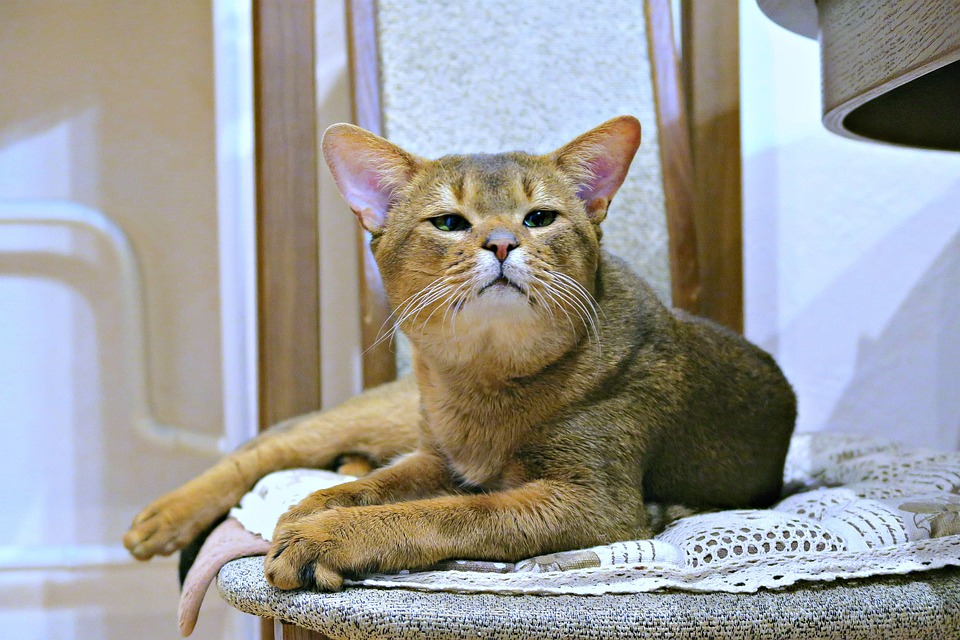
Why an Abyssinian Pet Will Enrich Your Life with Joy and Quirk!
If you’re considering adding a furry friend to your home, look no further than the Abyssinian cat. Playful, spirited, and undeniably charming, they bring a wave of joy and quirkiness that can transform any household. In this article, we’ll explore the history, personality traits, and care needs of Abyssinians, as well as how they can be wonderful emotional support animals (ESAs) that enrich your mental and emotional well-being.
A Brief Overview of the Abyssinian Breed
History: The Abyssinian cat is one of the oldest known cat breeds, believed to have roots that trace back thousands of years to ancient Egypt. Their distinctive ticked coat and playful demeanor are reminiscent of the cats depicted in Egyptian art. Originally imported from Ethiopia (formerly known as Abyssinia), these cats quickly captured the hearts of Americans and Europeans alike, leading to their popularity today.
Temperament and Personality Traits: Abyssinians are known for their lively and inquisitive nature. They’re often described as “dog-like” in their desire for human interaction and companionship. This breed loves to play, explore, and learn new things, making them highly engaging pets. Abyssinians are typically affectionate, intelligent, and enjoy the company of their human family members as well as other pets.
Grooming Needs: Grooming an Abyssinian is relatively simple compared to many other breeds. Their short, fine coat only requires occasional brushing to minimize shedding. A bath every few months can keep their fur looking its best, but too frequent bathing can strip away essential oils.
Health Considerations: Abyssinians are generally healthy cats, with lifespans ranging from 12 to 15 years and sometimes even longer. However, they can be prone to certain health conditions such as gingivitis and kidney disease. Regular veterinary check-ups, a balanced diet, and dental care can help keep them in optimal health.
Suitability for Different Households: Abyssinians thrive in active households, where they have the opportunity to engage with their humans and participate in play. They are excellent for families with children as well as multi-pet homes, provided that early socialization takes place.
Tips for Training, Socializing, and Caring for Abyssinians
-
Training: Start training early to instill good habits and prevent unwanted behavior. Use positive reinforcement techniques, such as treats and praise, to encourage good behavior. These cats are quick learners and can even master tricks!
-
Socializing: Introduce your Abyssinian to new people, sounds, and environments from a young age. This exposure will help them grow into well-adjusted adults. Playdates with other animals can also enhance their social skills.
-
Caring for Your Abyssinian: Provide plenty of playtime and mental stimulation. Interactive toys, puzzle feeders, and climbing trees can keep your Abyssinian engaged. Regular play helps them maintain a healthy weight and prevents boredom.
Understanding Emotional Support Animals (ESA)
So, what exactly is an emotional support animal (ESA)? Simply put, it’s a pet that offers companionship and emotional support to individuals experiencing emotional or psychological challenges. Unlike service animals, ESAs do not require specialized training but provide comfort just by being present.
Benefits of Designating Your Pet as an ESA
There are numerous mental and emotional health benefits to having an ESA:
-
Reduced Anxiety: Studies show that interacting with pets can lower cortisol levels, the stress hormone, in humans. Just petting your Abyssinian can create a sense of calm.
-
Increased Social Interaction: Pets encourage us to engage with the world. Going for walks with your furry friend can lead to new friendships with fellow pet owners.
-
Emotional Comfort: Having a pet can provide a stable source of comfort in times of emotional distress, helping individuals feel less isolated.
-
Improved Mood: Through companionship and playful antics, pets have a natural ability to uplift spirits. An Abyssinian’s quirky behavior can light up your day.
Real-Life Examples of Emotional Support
Consider Sarah, a college student who struggled with anxiety. After adopting an Abyssinian named Leo, she found that his playful nature helped her cope with stressful days. When anxiety set in during exams, cuddling with Leo provided comfort and reassurance.
Then there’s John, an elderly gentleman who felt lonely after his wife passed away. After adopting an Abyssinian named Bella, he discovered a renewed sense of purpose as he cared for her. Bella offered companionship and joy in his daily routine, making life feel more fulfilling.
How Dogs and Cats Provide Emotional Support
Scientific studies have shown that pets can significantly enhance emotional health and mental resilience. When you pet an animal, your brain releases oxytocin, often called the “love hormone,” which fosters a sense of bonding and emotional attachment. Additionally, interacting with pets can increase serotonin and dopamine levels, neurotransmitters that play a key role in mood regulation.
Pets also encourage routine and physical activity, which increases overall well-being. For instance, walking a dog or playing with a cat requires engagement and often leads to improved mental health through the combination of physical activity, socialization, and emotional connection.
Key Information
- Abyssinian cats are active, playful, and affectionate, suitable for families and multi-pet homes.
- Grooming is minimal, needing just occasional brushing and bathing.
- Socialization and training from a young age are essential for their development.
- As Emotional Support Animals, they provide significant emotional comfort and physical companionship.
- Interacting with pets can lower anxiety levels and improve mood, backed by scientific research.
FAQs About Emotional Support Animals
-
What qualifies a pet to be an ESA?
- Any domesticated animal can qualify if it provides emotional support to its owner.
-
Do ESAs require special training?
- No, unlike service animals, ESAs do not require specialized training to assist with disabilities.
-
Can I take my ESA anywhere?
- While ESAs are allowed in housing that may otherwise prohibit pets, they do not have the same legal access to public spaces as service animals.
-
How can I get my pet certified as an ESA?
- You can work with licensed mental health professionals and pet ESA services to obtain the necessary documentation.
-
Are ESAs covered by insurance?
- Most health insurance plans do not cover ESAs as they are not considered service animals.
-
Can I travel with my ESA?
- Many airlines have specific policies for ESAs. Always check with the airline prior to traveling.
-
How do ESAs help people?
- ESAs provide companionship and emotional support, helping reduce feelings of anxiety, loneliness, and depression.
-
What if my ESA passes away?
- The loss of an ESA can be very challenging. It’s important to grieve and remember the positive impact your pet had on your life.
Conclusion
An Abyssinian can bring a delightful mix of joy and quirkiness to your life while also serving as a supportive companion. If you’re interested in designating your pet as an Emotional Support Animal, visit Veripaw.org. Since 2012, Veripaw has helped pet owners connect with licensed mental health professionals and obtain official ESA documentation. They also offer high-quality pet accessories to keep your beloved pet comfortable and happy. Embrace the emotional support and companionship that an Abyssinian or any pet brings into our lives—it’s an opportunity for joy unlike any other!


