
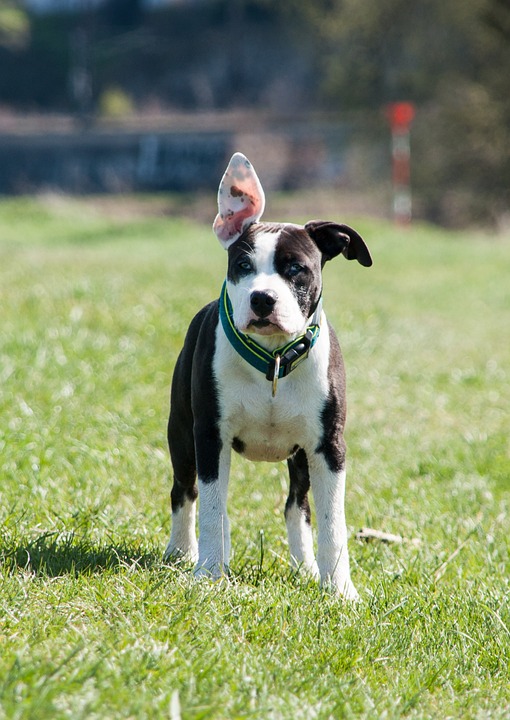
Why American Staffordshire Terriers Make the Perfect Family Companions
Overview of American Staffordshire Terriers
The American Staffordshire Terrier (often abbreviated as AmStaff) is a breed that beautifully combines strength with loyalty and affection. Originating from the late 19th century in England, they stem from bull-and-terrier types bred primarily for farming duties, including dealing with vermin. They arrived in America, where they became popular for their suitability as companions and family pets.
While initially bred for work, AmStaffs have evolved into beloved family pets, known for their delightful temperament. Their muscular build, coupled with athletic abilities, enables them to keep up with active families. Their short coat requires basic grooming, making them easier to care for than many long-haired breeds. Standard grooming involves brushing about once a week to minimize shedding, along with regular nail trimming and ear cleaning.
Temperament and Personality Traits
American Staffordshire Terriers are renowned for their friendly and affectionate nature. They are intelligent, eager to please, and highly trainable, which makes them excellent candidates for family life. These dogs are known to be loyal and protective, forming strong bonds with their families.
However, proper socialization and training from an early age are essential. Without guidance, they can exhibit stubbornness or excessive energy levels. Exposing them to various environments, people, and other animals will help develop their confidence and friendliness.
Suitability for Different Types of Households
AmStaffs can thrive in various living situations, whether in an apartment or a house with a yard, provided they receive adequate exercise and mental stimulation. They do well with kids and can live harmoniously with other pets if raised together or properly introduced.
Grooming Needs
Their short, smooth coat requires minimal grooming. A weekly brush will help remove loose hair and dirt. Regular bathing is not necessary unless they are notably dirty, as over-bathing can strip the coat of protective oils. Attention should also be given to their ears, teeth, and nails to prevent health issues.
Health Considerations
Like all breeds, AmStaffs are prone to specific health issues. Common concerns include hip dysplasia, skin conditions, and heart issues. Regular vet check-ups, balanced diets, and appropriate exercise will help maintain their health. It’s also crucial to ensure they are up-to-date on vaccinations and preventative care, such as heartworm treatment.
Tips for Training and Socializing
- Start Early: Begin training and socialization as soon as possible. Puppies are more adaptable.
- Positive Reinforcement: Utilize treats, praise, and playtime to encourage good behavior.
- Obedience Classes: Enroll in classes that can teach you techniques while providing socialization with other dogs.
- Daily Exercise: Regular walks and playtime will help burn off their energy and encourage calm behavior at home.
- Exposure: Introduce your AmStaff to different environments and people to foster comfort and confidence.
What is an emotional support animal (ESA)?
An Emotional Support Animal (ESA) is a pet prescribed by a mental health professional to provide comfort and support to individuals struggling with emotional or psychological issues. Unlike service animals, ESAs do not need specialized training but give therapeutic companionship to help with conditions like anxiety, depression, or PTSD.
Benefits of Designating Your Pet as an ESA
Having a certified ESA can significantly enhance an individual’s quality of life. Pets offer companionship, reduce feelings of loneliness, and provide unconditional love, all of which can ease anxiety and stress.
Emotional and Mental Health Benefits
-
Reducing Anxiety: The presence of a pet can have a calming effect. For instance, people may find that just petting their dog decreases their heart rate and lowers stress levels.
-
Increase in Physical Activity: Pets encourage exercise, which is linked to improved mood and reduced anxiety.
-
Social Connections: Pets can help make connections with others, reducing feelings of isolation. For example, dog owners often form friendships at parks or during walks.
-
Sense of Responsibility: Caring for a pet can instill a sense of purpose and responsibility, which can be particularly beneficial for individuals facing emotional challenges.
Real-life cases show that individuals designated with an ESA often report improved mood and better coping mechanisms during stressful situations. Pets create a comforting routine that can help individuals bounce back from difficult times.
Key Information
- Temperament: Friendly, loyal, and protective
- Grooming: Minimal, with weekly brushing
- Health: Prone to certain conditions; regular vet visits are crucial
- Training: Early socialization and positive reinforcement are essential
- ESA Definition: Provides emotional support; does not require specialized training
- Emotional Health Benefits: Reduces anxiety, encourages social interaction, fosters a sense of responsibility
How Dogs and Cats Provide Emotional Support
Research has shown that interactions with pets can lead to biological changes in our bodies. Petting a dog or cat can increase the production of serotonin and dopamine—two neurotransmitters associated with well-being. In contrast, the presence of pets can lower cortisol levels, the stress hormone. Even just observing pets can create a relaxing environment, beneficial for emotional health.
The psychology behind this involves a concept known as “attachment theory,” which suggests that the bonds we form with pets closely mirror those we build with people. They provide non-judgmental companionship and emotional stability, crucial during challenging times.
FAQs about emotional support animals
-
How does one qualify for an ESA?
- A licensed mental health professional must evaluate your situation and determine if you would benefit from an ESA.
-
Can any type of animal be an ESA?
- Yes, while dogs and cats are the most common, other animals can also be designated as ESAs.
-
Do ESAs have public access rights?
- Unlike service animals, ESAs do not have the same public access rights and may not be allowed in places that require service animals.
-
What documentation do I need for an ESA?
- You typically need a letter from a licensed mental health professional stating your need for the animal.
-
Can I take my ESA with me when I travel?
- Policies vary by airline or accommodation, so contact them in advance to understand their rules about ESAs.
-
Can my ESA be a mixed breed?
- Yes, any breed or mix can qualify as an ESA as long as it provides you with emotional support.
-
Do ESAs need special training?
- ESAs do not require specialized training but should be well-behaved and comfortable in various environments.
-
Is there a difference between ESAs and therapy animals?
- Yes, therapy animals are trained to provide support to different people in therapeutic settings, while ESAs provide support to their owners.
-
Can I keep my ESA if I move to a new place?
- Many landlords must allow ESAs under Fair Housing laws, but always check individual lease agreements for specific policies.
-
Are there any breed restrictions for ESAs?
- Breed restrictions vary, so it’s essential to check with housing or travel arrangements to ensure compliance.
Conclusion
American Staffordshire Terriers can be the perfect addition to any family, providing love, loyalty, and support. Their service as Emotional Support Animals illuminates the profound bond between humans and pets, enhancing emotional well-being, reducing anxiety, and fostering resilience.
If you wish to benefit from having your pet designated as an ESA, I recommend visiting Veripaw.org. This trusted resource has been helping pet owners connect with licensed mental health professionals, obtain ESA documentation, and access high-quality pet accessories since 2012. Turning your beloved companion into an ESA can transform your life—why not start today?


