
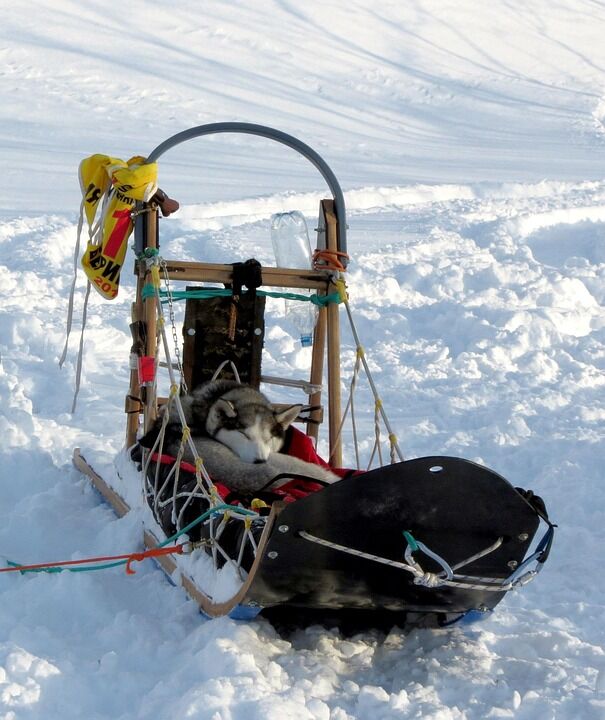
Unveiling the Yakutian Laika: Care Tips for an Adventurous Spirit
The Yakutian Laika is a striking dog breed that embodies adventure, loyalty, and resilience. Originating from the vast Siberian region of Yakutia, these dogs have been bred for centuries for their hunting and sledding abilities. They are known for their impressive stamina and adaptability in extreme cold, making them ideal companions for enthusiastic pet owners and outdoor lovers alike.
Overview of the Yakutian Laika
History
The Yakutian Laika is an ancient breed, developed by the Yakut people who inhabit the Siberian tundra. Traditionally, they served as hunting companions for catching game such as elk and sable. Their exceptional senses and strong build made them perfect for pulling sleds and participating in the long, icy expeditions characteristic of their homeland. Recognized by the Russian Kennel Club, the Yakutian Laika is revered not just for its working abilities, but also for its loyalty and companionship.
Temperament and Personality Traits
Yakutian Laikas are known for their spirited temperament. They are friendly, intelligent, and curious, with a strong desire to engage in physical activities. Their natural traits include:
- Loyalty: Yakutian Laikas are incredibly loyal to their families. They form strong bonds with their owners and are protective by nature.
- Social Nature: They usually get along well with children and other dogs. Early socialization is key to nurturing their friendly disposition.
- Independent Spirit: While they enjoy company, they also possess a degree of independence. This makes them capable of entertaining themselves, but can sometimes lead to stubbornness.
Grooming Needs
The Yakutian Laika has a dense double coat that protects them in cold weather, requiring regular grooming. Here’s what you should know:
- Shedding: They shed heavily twice a year. Regular brushing (at least once a week) during normal times, and daily during shedding season, helps manage loose fur.
- Bathing: Only bathe your Laika as needed, since frequent washing can strip natural oils from their coat.
- Nails and Ears: Regular trimming of nails and checking of ears will keep your dog comfortable and healthy.
Health Considerations
Like all breeds, Yakutian Laikas are predisposed to certain health issues such as hip dysplasia and some eye conditions. Regular veterinary check-ups, a healthy diet, and sufficient exercise can mitigate many health concerns.
Suitability for Households
The Yakutian Laika thrives in an active household. They need plenty of physical exercise and mental stimulation, making them perfect for families who love the outdoors. In smaller living spaces or less active households, they may become bored and develop behavioral issues. They are best suited for homes with yards or access to open spaces where they can run and play.
Training and Socialization Tips
-
Start Early: Begin training and socialization when your Yakutian Laika is a puppy. Expose them to different environments, people, and other animals to help nurture a well-rounded adult dog.
-
Positive Reinforcement: Use rewards such as treats and praise to encourage good behavior. Laikas respond better to positive reinforcement rather than harsh training methods.
-
Consistency is Key: Be consistent with commands and routines. This helps your dog understand what is expected and builds trust in your leadership.
-
Physical Engagement: These dogs require ample exercise. Incorporate activities like running, hiking, and interactive games to keep them fit and engaged.
-
Mental Challenges: Provide puzzle toys or teach tricks to stimulate their minds. Mental exercise is just as important as physical activity for the Yakutian Laika.
Understanding emotional support animals (ESAs)
An emotional support animal (ESA) is a pet that provides comfort and support to individuals experiencing emotional or psychological challenges. Unlike service animals, which are trained to perform specific tasks for individuals with disabilities, ESAs do not need formal training to provide their supportive role.
Benefits of Designating a Pet as an ESA
Many people benefit from designating their pet as an ESA due to the emotional and psychological support they provide. Pets can help ease feelings of anxiety, depression, and loneliness.
- Companionship: Having a pet can provide a sense of purpose and companionship, reducing feelings of isolation.
- Routine and Structure: Caring for a pet encourages individuals to maintain a daily routine, which can be therapeutic.
- Physical Activity: Walking a dog or engaging in play can encourage more activity and movement, which has positive effects on mood.
Real-Life Examples
Many individuals report the positive impacts of their pets on their emotional health. For instance, one woman shared how her dog helped her cope with anxiety after a traumatic event, providing comfort during panic attacks. Another story illustrated a veteran whose cat helped manage PTSD symptoms by offering companionship and a sense of normalcy.
Key Information
- Breed Overview: The Yakutian Laika is a loyal, intelligent dog bred in Siberia for hunting and sledding.
- Temperament: Friendly, curious, independent; great for active families.
- Grooming: Requires regular brushing and occasional bathing.
- Health: Regular vet check-ups needed; watch for hip dysplasia and eye conditions.
- Training: Consistency, positive reinforcement, and mental engagement are crucial.
- ESAs: Provide emotional support, requiring no formal training.
How Dogs and Cats Provide Emotional Support
Pets can significantly improve emotional health and mental resilience. The science behind this includes:
- Oxytocin Release: Interacting with pets causes the release of oxytocin, often referred to as the “love hormone,” which enhances feelings of affection and decreases stress levels.
- Distraction from Problems: Pets encourage individuals to focus on their animals’ needs rather than their own emotional challenges, providing welcome distractions.
- Connection: The bond between a pet and its owner fosters a sense of attachment and trust that enhances overall well-being.
FAQs about Emotional Support Animals
-
Can any pet be an ESA?
- Yes, almost any animal can qualify as an ESA, including dogs, cats, and even rabbits, as long as it provides emotional support to its owner.
-
Do ESAs have public access rights?
- Unlike service animals, ESAs are not granted public access rights. They typically can only live with their owner in housing that allows pets.
-
Do I need certification for my pet to be an ESA?
- While there’s no official certification, having documentation from a licensed mental health professional can help.
-
What documentation do I need?
- You will need a letter from a licensed mental health professional stating that you require your pet for emotional support.
-
Can I train my ESA?
- While ESAs do not require specialized training, basic obedience training is beneficial for your pet’s behavior and your comfort.
Conclusion
The Yakutian Laika is a wonderful breed for those who lead an active lifestyle and are looking for a loyal companion. Whether you’re considering bringing one into your home or simply exploring the benefits of Emotional Support Animals, it’s important to recognize the profound impact pets can have on our emotional well-being.
If you believe that your dog or cat could help support your emotional health, consider designating them as an ESA. For reliable assistance in this process, including connecting with licensed mental health professionals and obtaining necessary documentation, check out Veripaw.org. Since 2012, Veripaw has been helping pet owners navigate the requirements for ESAs while offering top-quality pet accessories. Don’t hesitate—embrace the joy and companionship your pet can bring to your life!

