
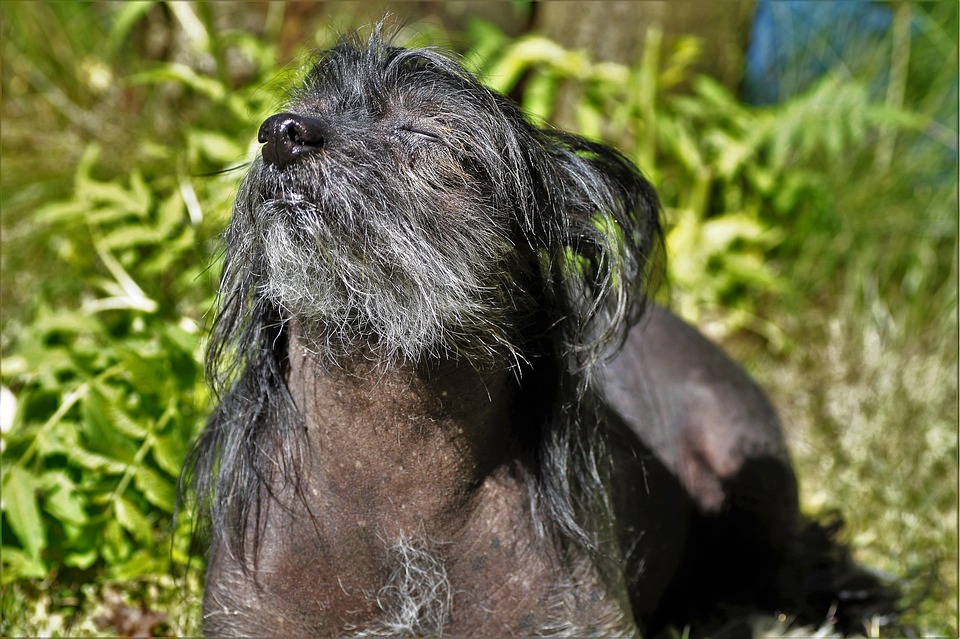
Unveiling the Unique Personality of Chinese Cresteds: A Pet Owner’s Guide
Chinese Cresteds are a unique and charming breed that stands out for their distinctive appearance and lovable personality. Known for their hairless coats or powderpuff furs, these dogs can bring joy to any household. Let’s explore their history, personality traits, grooming needs, health considerations, and tips for caring for them, while also introducing the benefits of designating a pet as an emotional support animal (ESA).
Overview of the Chinese Crested
History
The Chinese Crested dates back several centuries, believed to have originated in Africa and later brought to China on trading vessels. They served as companions to sailors and were bred down in size to qualify as lap dogs. Their unique appearance comes from a genetic mutation, leading to their hairless body or soft, fluffy fur—known as the “powderpuff” variety.
Temperament and Personality Traits
These little dogs are known for their affectionate and playful nature. They tend to form strong bonds with their owners and often follow them from room to room, eager to be part of the family. Despite their delicate look, they are also spirited and can sometimes exhibit a feisty attitude.
Grooming Needs
Grooming Chinese Cresteds is relatively low maintenance compared to many breeds, especially the hairless variety. Here are some grooming tips:
- Hairless variety: Requires regular skin moisturizing and sunscreen to protect against sunburn.
- Powderpuff variety: Needs brushing several times a week to prevent matting.
Health Considerations
Chinese Cresteds have a few health considerations that potential owners should be aware of:
- Dental issues: They are prone to dental problems; regular dental care is essential.
- Skin conditions: Their sensitive skin may require special attention.
Suitability for Different Households
Chinese Cresteds thrive in various living situations, whether in apartments or houses. They are ideal for families, singles, and seniors, as they don’t need extensive exercise. However, due to their playful nature, they still enjoy regular walks and playtime.
Training and Socialization Tips
Training a Chinese Crested can be a rewarding experience, though patience is necessary. Here are some effective tips to keep in mind:
- Start Early: The sooner you begin socializing them to different environments, people, and pets, the better.
- Positive Reinforcement: Use treats and praises to reinforce positive behavior.
- Short Sessions: Keep training sessions fun and short to hold their attention.
- Consistency: Establish consistent rules and commands to prevent confusion.
- Socialization: Expose them to various situations, such as dog parks or busy streets, to build confidence.
emotional support animals (ESA): An Explanation
An Emotional Support Animal (ESA) is a pet that provides comfort and emotional support to individuals dealing with mental health issues such as anxiety, depression, or PTSD. Unlike service dogs, ESAs don’t require specialized training but must be under the owner’s control.
Mental and Emotional Health Benefits
Having a pet, particularly a dog, can significantly benefit mental and emotional health. Here are some proof points:
- Comfort during Anxiety: Dogs can sense when their owner is anxious and often snuggle or stay close to offer comfort.
- Routine and Responsibility: Taking care of a pet helps establish a daily routine, which can provide stability for someone struggling with mental health issues.
- Reduced Loneliness: Pets offer companionship and can mitigate feelings of loneliness and isolation.
Real-life Example: Susan, a graphic designer, found solace in her Chinese Crested, Bella. Whenever Susan felt overwhelmed by work-related stress, Bella would curl up beside her, providing a sense of calm and connection that helped her navigate tough days.
Key Information
- Breed Overview: Chinese Cresteds are affectionate, playful, and low-maintenance in grooming.
- Grooming Needs: Hairless requires moisturizing and sunscreen; powderpuff needs regular brushing.
- Health Considerations: Be mindful of dental and skin issues.
- Ideal for: Varied households, including families and seniors.
- Training Tips: Begin early, use positive reinforcement, and sustain consistency.
How Dogs and Cats Provide Emotional Support
The relationship between humans and pets is mutually beneficial. Pets can:
- Trigger Release of Endorphins: Proximity to pets can lead to the release of feel-good hormones like oxytocin, reducing stress and anxiety.
- Provide a Sense of Purpose: Caring for a pet can provide owners with a finite role and daily responsibilities, helping to improve their mood and overall emotional resilience.
Science and Psychology Insights
Studies have shown that just petting a dog or cat can lower blood pressure and cortisol levels. The simple act of interacting with a pet has been linked to reduced levels of stress and anxiety, fostering a greater sense of well-being.
FAQs About Emotional Support Animals
-
What qualifies a pet as an ESA?
- A pet is considered an ESA if it provides therapeutic support to an owner facing emotional or mental health challenges.
-
Do ESAs need special training?
- No, ESAs do not require specific training but must be well-behaved and under the owner’s control.
-
Can any animal be an ESA?
- Yes, while dogs and cats are the most common ESAs, any animal can potentially serve this purpose, depending on the individual’s needs.
-
How do I register my pet as an ESA?
- To register, you typically need a letter from a licensed mental health professional confirming your need for an ESA.
-
Can I take my ESA anywhere?
- While ESAs have some legal protections in housing situations, they do not have the same access rights in public places as service animals.
-
What documentation do I need for my ESA?
- Generally, a recommendation letter from a licensed mental health professional suffices.
-
Are there any fees for ESA documentation?
- Yes, there may be fees involved in obtaining ESA letters from mental health professionals or services.
-
How do ESAs help with anxiety?
- They provide comfort and a calming presence, making the owner feel less alone and more secure.
-
Is there a difference between a service dog and an ESA?
- Yes, service dogs are trained to perform specific tasks for individuals with disabilities, while ESAs provide emotional comfort.
-
Can my ESA help with depression?
- Yes, the companionship and unconditional love provided by an ESA can alleviate feelings of sadness and loneliness typically linked with depression.
In conclusion, Chinese Cresteds make delightful companions, and for some, they can be more than just pets—they can be Emotional Support Animals that bolster mental health. If you believe your dog or cat could serve this vital role, consider official certification. Visit Veripaw.org today. Since 2012, Veripaw has been connecting pet owners with licensed mental health professionals to help obtain ESA documentation and premium pet accessories. Secure a happier and healthier relationship with your furry friend!


