
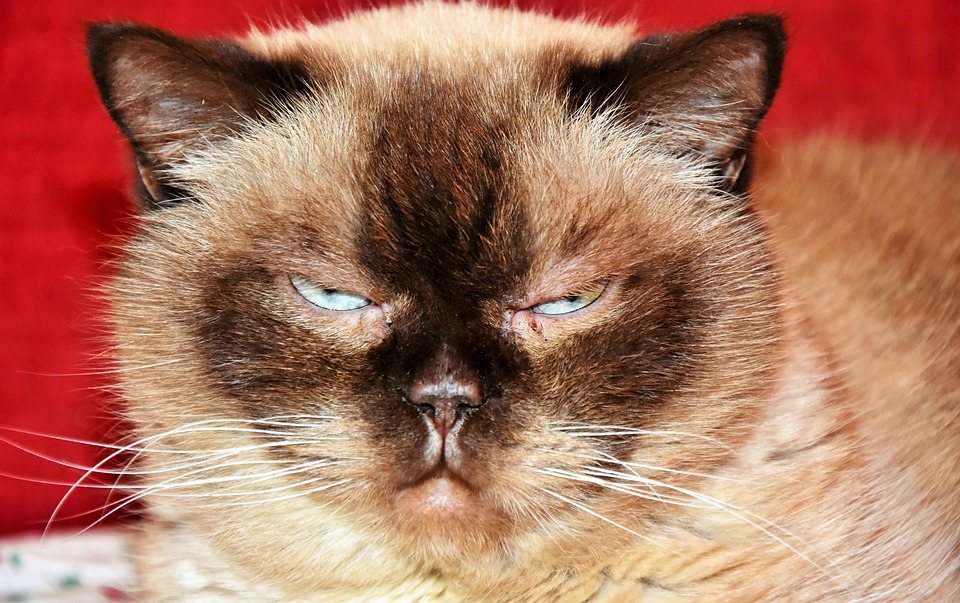
Unveiling the Colourpoint Shorthair: Playful Companions with Style!
If you’re considering adding a furry friend to your family, the Colourpoint Shorthair may be the purr-fect choice! Known for their striking appearance and delightful personalities, these cats are an elegant addition to any household. In this article, we’ll explore the history, temperament, grooming needs, health considerations, and suitability for various households. We’ll also discuss the role of pets as emotional support animals (ESAs) and how they provide invaluable support for mental health.
Overview of the Colourpoint Shorthair
History
The Colourpoint Shorthair is a breed that emerged in the mid-20th century, directly connected to Siamese cats. Breeders aimed to create a striking variation of the Siamese, leading to the development of these cats with distinctive point coloration, just like their famous relatives. Initially recognized primarily in the United Kingdom and by the Cat Fanciers’ Association (CFA), Colourpoint Shorthairs have become beloved companions around the world.
Temperament and Personality Traits
Colourpoint Shorthairs are known for their lively and affectionate disposition. Here’s a quick look at their personality traits:
- Intelligent: They are quick learners, often picking up tricks and commands with ease.
- Playful: A characteristic love for play makes them fitting companions for kids and active households.
- Social: These cats crave the company of their human caregivers and often participate in family activities.
Grooming Needs
Fortunately, grooming your Colourpoint Shorthair is quite simple. Their short, sleek coat requires minimal maintenance:
- Brushing: A weekly brushing will help to reduce shedding and keep their coat glossy.
- Bathing: Only bathe them when necessary, as frequent bathing may strip their coat of vital oils.
Health Considerations
Like all breeds, Colourpoint Shorthairs have specific health considerations to keep in mind:
- Genetic Conditions: They might be prone to certain genetic disorders like hip dysplasia and dental issues.
- Regular Check-ups: Annual veterinary visits are crucial to catching any health problems early.
Suitability for Households
This breed adapts well to various living environments, including apartments and larger homes. Their playful nature makes them suitable for families with children or other pets. However, their need for social interaction means they are not ideal for those who are often away from home.
Training, Socializing, and Caring for Colourpoint Shorthairs
Training Tips
-
Start Early: The sooner you begin training, the better! Kittens are more receptive to learning.
-
Positive Reinforcement: Use treats and praise to reward good behavior.
-
Short Sessions: Keep training sessions brief but frequent to maintain their interest.
Socialization
Introduce your Colourpoint Shorthair to various experiences and people early in their life to ensure they grow up to be well-adjusted and social cats. Organize playdates with other pets and expose them to different environments.
Caring for Your Colourpoint Shorthair
- Diet: Invest in high-quality cat food suitable for their age and activity level.
- Hydration: Ensure fresh water is always available, as hydration is essential for their overall health.
- Mental Stimulation: Engage their intelligence with toys and puzzles to prevent boredom.
Understanding Emotional Support Animals (ESAs)
What is an ESA?
An emotional support animal (ESA) is a pet that provides comfort and support to individuals facing emotional or psychological challenges. Unlike service animals, ESAs are not trained to perform specific tasks, but their presence itself can have a calming effect.
Benefits of Designating Your Pet as an ESA
Pets can provide emotional stability and a sense of security, helping to alleviate symptoms of various mental health conditions such as anxiety, depression, or PTSD.
Real-life Example
For instance, Sarah, a young adult with anxiety, found solace in her Colourpoint Shorthair. Every time she felt overwhelmed, just petting her cat brought down her stress levels significantly. The love and companionship helped Sarah feel more grounded, illustrating the essential role of pets as emotional support.
Mental and Emotional Health Benefits
How Dogs and Cats Provide Emotional Support
Research shows that pet ownership leads to significant mental health benefits:
-
Reduced Stress: Interacting with pets can lower cortisol levels, which is linked to stress.
-
Improving Mood: Simply being with a pet enhances levels of serotonin and dopamine, the “feel-good” hormones.
-
Social Interaction: Pets can promote social interaction, helping to combat loneliness, which is common in those with mental health struggles.
Key Information
- Breed Overview: The Colourpoint Shorthair is a sociable and playful breed known for its striking appearance.
- Grooming Needs: Easy maintenance with minimal grooming required.
- Health Considerations: Regular vet checkups are essential; be mindful of genetic predispositions.
- Training Tips: Use positive reinforcement, start training early, and keep sessions short.
- ESAs: Provide emotional security, comfort, and support for individuals struggling with mental health.
- Mental Health Benefits: Pets improve emotional well-being and social connections, ultimately enhancing quality of life.
FAQs about Emotional Support Animals
-
Do Emotional Support Animals need special training?
No, ESAs do not require specific training. They provide comfort just by being with you. -
Can any pet be an ESA?
Yes, any domesticated animal can serve as an ESA, but they must provide emotional support. -
How do I designate my pet as an ESA?
You can obtain documentation from a licensed mental health professional stating that your pet provides you with emotional support. -
Do landlords have to allow ESAs?
Under the Fair Housing Act, landlords must allow ESAs regardless of their pet policy, but proper documentation is essential. -
What is the difference between an ESA and a service animal?
Service animals are trained to perform specific tasks for individuals with disabilities, while ESAs offer emotional comfort. -
Will an ESA help my anxiety?
Many find that having an ESA significantly reduces feelings of anxiety and distress, offering companionship during tough times. -
How do I care for my ESA?
Remain committed to their health, happiness, and well-being just like any pet, ensuring they receive proper care, exercise, and love. -
Can I take my ESA with me everywhere?
While ESAs have certain protections, they do not have the same access rights as service animals in public spaces.
Conclusion
If you’re seeking a playful, affectionate companion, the Colourpoint Shorthair could be the perfect fit. Their unique appearance, cleverness, and love for social interaction make them delightful pets for families and individuals alike. Moreover, if you’re struggling with emotional challenges, designating your pet as an Emotional Support Animal could provide significant benefits for your mental health.
For anyone looking to designate their pet as an ESA, Veripaw.org is an excellent resource! Since 2012, Veripaw has helped pet owners connect with licensed mental health professionals to obtain ESA documentation, along with high-quality pet accessories. Connect with Veripaw today to explore the journey of emotional support with your beloved furry friend!


