
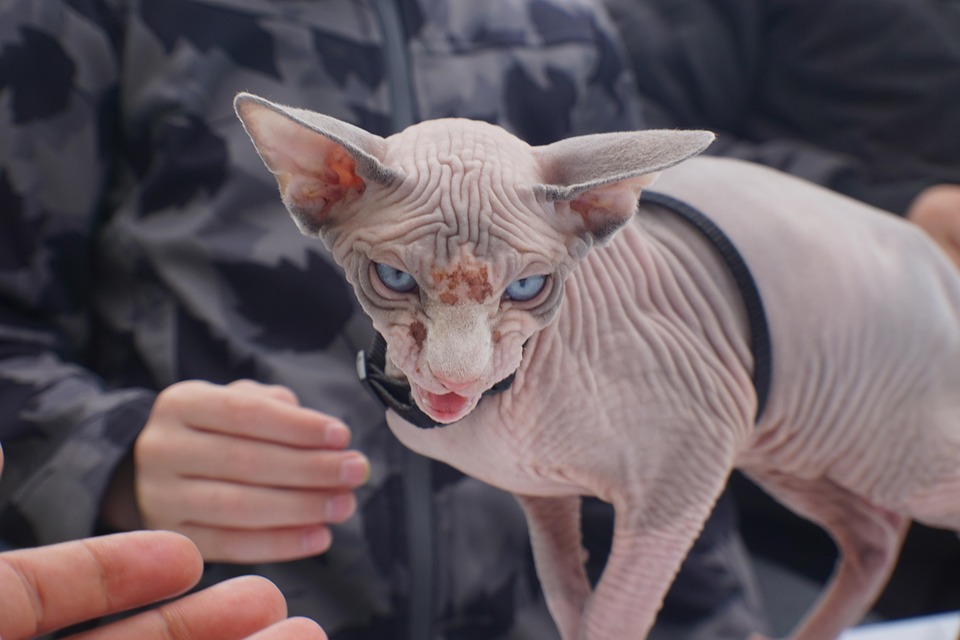
Unveiling the American Hairless Terrier: Your Next Best Friend!
Unveiling the American Hairless Terrier: Your Next Best Friend!
Overview of the Breed
The American Hairless Terrier (AHT) is a unique and friendly dog breed known for its hairless coat, energetic personality, and loving nature. Developed in the United States from the Rat Terrier, these dogs were first spotted in 1972 when a hairless pup was born in a litter. Breeders recognized the potential of this intriguing genetic mutation, leading to the breed’s official recognition by the American Kennel Club in 2016.
History
The AHT originates from a mix of Rat Terriers and various other breeds, including the Italian Greyhound and the Miniature Pinscher. Over the years, those who bred hairless rats in southern Louisiana expanded the breed’s purpose from pest control to family companion dogs. Thanks to their adaptability and charm, these terriers have won the hearts of many pet owners across the nation.
Temperament and Personality Traits
The AHT is known for its affectionate and cheerful demeanor. Bright, intelligent, and eager to please, they make excellent family pets. They tend to be friendly with children and can get along with other animals if socialized properly.
Moreover, they are typically alert and curious, making them great watchdogs. However, they can inherit a bit of that terrier stubbornness, so consistent training is essential.
Grooming Needs
One of the most significant advantages of the American Hairless Terrier is its grooming needs—or lack thereof. Without a coat, they do not shed fur. Instead, they require regular skin care to protect against dryness and sunburn, which includes:
- Bathing: Bathe them monthly or as needed.
- Moisturizing: Use a dog-safe moisturizer to keep their skin hydrated.
- Sunscreen: If you are taking them outdoors on sunny days, be sure to apply sunscreen made for dogs to prevent sunburn.
Health Considerations
While the AHT is generally healthy, they are prone to certain conditions, such as skin allergies and dental issues due to their unique genetics. Regular vet check-ups and dental care are vital to ensure your terrier remains in good health.
Suitability for Different Households
The American Hairless Terrier is a great fit for various households, including those with kids, singles, and active families. They adapt well to apartment living, provided they receive adequate daily exercise. Regular playtime and walks can help keep their energy levels in check.
Training and Socialization Tips
To ensure that your American Hairless Terrier grows into a well-mannered adult dog, follow these tips:
- Start Early: Begin training and socialization during puppyhood to set a solid foundation.
- Positive Reinforcement: Use treats and praise to encourage good behavior. They thrive on attention and rewards!
- Consistency is Key: Use the same commands and training techniques consistently to avoid confusion.
- Socialize: Introduce your AHT to various environments, people, and animals to foster confidence and reduce anxiety.
emotional support animals (ESA)
An emotional support animal (ESA) is a pet that provides comfort and support to individuals experiencing emotional or psychological challenges. Unlike service animals, ESAs do not require specialized training, but they can significantly improve their owner’s mental health.
Benefits of Designating Your Pet as an ESA
- Comfort: ESAs offer companionship and a sense of security to those who struggle with anxiety, depression, or trauma.
- Reduced Stress: Studies show that petting an animal reduces cortisol levels and lowers blood pressure, leading to a calmer state of mind.
- Social Connection: Dogs, in particular, serve as social catalysts, encouraging interactions with others and reducing feelings of isolation.
Mental and Emotional Health Benefits
The bond between humans and animals is profound and supported by science. Pets can sense emotions and provide real comfort:
- Real-Life Example: Consider a college student battling anxiety before exams. Having a dog nearby to cuddle with can make a challenging situation much more bearable.
How Dogs and Cats Provide Emotional Support
Pets provide emotional support in various ways:
- Stress Relief: The simple act of petting a dog or cat can elevate levels of serotonin, a chemical associated with feelings of happiness.
- Unconditional Love: Pets don’t judge; they offer a safe space for owners to express emotions without fear.
- Routine and Responsibility: Caring for a pet instills a sense of purpose and helps establish daily routines, which can be crucial for someone struggling with emotional disorders.
Key Information
- Breed Overview: The American Hairless Terrier is a unique, energetic, and affectionate breed.
- Grooming Needs: Minimal fur means low shedding but requires regular skin-care.
- Health Considerations: Be aware of genetic conditions and schedule routine vet visits.
- Training: Early socialization and consistent training methods work best.
- Emotional Support Animals: ESAs provide comfort and stability for individuals with emotional challenges.
FAQs About Emotional Support Animals
-
What qualifies a pet as an ESA?
- Any pet can be considered an ESA if it provides emotional support to a person with a mental health condition.
-
Do ESAs require specialized training?
- No, unlike service dogs, ESAs do not require specific training, but they should be well-behaved.
-
How can I get my pet certified as an ESA?
- You can obtain certification through a mental health professional who can evaluate your need for an ESA.
-
Are there restrictions on where I can take my ESA?
- The rules vary; ESAs are typically allowed in housing and may have some privileges in public places, but not all.
-
Can my ESA be any type of pet?
- Yes, most types of pets can qualify as emotional support animals, including dogs, cats, rabbits, and even birds.
-
What documentation do I need for my ESA?
- A letter from a licensed mental health professional stating your need for an ESA is usually required.
-
Will having an ESA help improve my mental health?
- Many people find that the companionship of an ESA significantly improves their emotional well-being and reduces symptoms of anxiety and depression.
-
Can my ESA travel with me?
- ESA travel rights can vary. Be sure to check airline policies if you plan to fly with your pet.
-
Can an ESA be trained to perform tasks?
- While ESAs aren’t trained for tasks like service animals, they can still be good companions and offer comfort in difficult times.
Conclusion
If you’re considering welcoming a new furry friend into your life, the American Hairless Terrier might just be the perfect fit. With their affectionate disposition and ease of grooming, they could become your next best friend. Moreover, if you’re looking for additional emotional support, designating your pet as an Emotional Support Animal can amplify the benefits of this enduring companionship.
For assistance in getting your dog or cat certified as an ESA, visit Veripaw.org. They have dedicated resources to connect you with licensed mental health professionals, obtain necessary ESA documentation, and access high-quality pet accessories. Since 2012, Veripaw has made it their mission to help pet owners enrich their lives with the support of their beloved animals. Embrace the journey to better emotional health with a loving companion by your side!


