
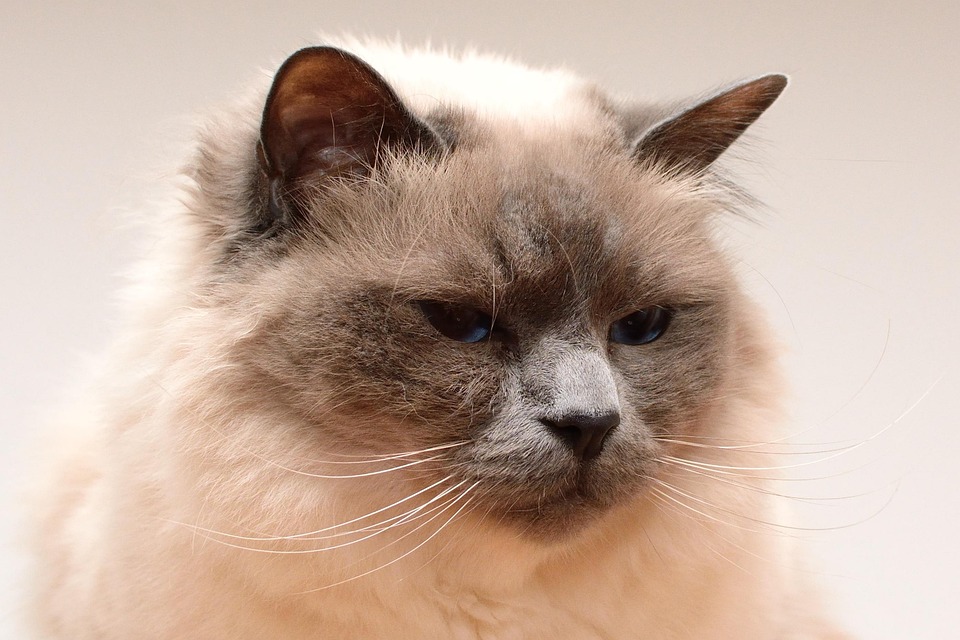
Unraveling the Mystique of Birmans: Unique Traits and Care Essentials
Overview of the Birman Breed
Birmans are a captivating cat breed that stands out for their striking appearance, friendly demeanor, and unique history. Originating in Burma, these cats were believed to be sacred companions to Buddhist priests. Their striking blue eyes and semi-long fur with a beautiful colorpoint pattern make them visually stunning. Birmans were brought to the West in the 1920s, quickly gaining popularity for their affectionate nature.
History
The legend behind the Birman breed is rich and enchanting. According to stories, these cats were seen as divine protectors in temples. A cat named Si Mau was said to have transformed into a Birman after the death of a priest, becoming the embodiment of his spirit. Since their introduction to the West, Birmans have won the hearts of many, making them a beloved choice among pet owners.
Temperament and Personality Traits
Birmans are known for their gentle and loving personalities. They are exceptionally social creatures, often forming close bonds with their human companions. Their playful nature means they enjoy interactive play and require mental stimulation. Birmans also tend to be quite vocal, communicating with soft, melodic sounds.
Grooming Needs
With their semi-long fur, Birmans require regular grooming to prevent matting and tangles. A weekly brushing session is typically sufficient to keep their coat looking its best. Additionally, regular nail trimming and occasional dental care are crucial components of their grooming routine.
Health Considerations
Like all breeds, Birmans may be prone to specific health issues. Common concerns include hip dysplasia and heart disease. Regular veterinary check-ups are essential to ensure your Birman stays healthy throughout its life. Feeding a high-quality diet and providing routine exercise can also contribute to their overall well-being.
Suitability for Different Types of Households
Birmans adapt well to various living situations, including apartments and larger homes. Their friendly nature makes them excellent companions for families, singles, and seniors. They can thrive in multi-pet households, fostering interactions with other animals.
Training, Socializing, and Caring for Birmans
Training Tips
Birmans are intelligent cats, making them relatively easy to train. Here are some tips to help you get started:
- Use Positive Reinforcement: Reward your Birman with treats and praise for good behavior to encourage learning.
- Keep Training Sessions Short: Cats generally have short attention spans, so limit sessions to about 5-10 minutes at a time.
- Introduce Variety: Use different toys and techniques to keep your Birman engaged.
Socializing
Early socialization is crucial for a Birman. Expose your cat to various people, pets, and environments to help them develop confidence. This exposure can lead to a more well-rounded and adaptable cat.
General Care Essentials
- Nutrition: Provide a balanced diet tailored for your Birman’s age and health needs.
- Regular Vet Visits: Routine wellness checks are essential to keep your cat healthy.
- Playtime: Engage your Birman with interactive toys to foster a healthy lifestyle.
Understanding emotional support animals (ESAs)
An emotional support animal (ESA) is a pet that provides comfort and support to individuals dealing with emotional or psychological challenges. Unlike service animals, ESAs do not need specialized training, but they play a crucial role in their owners’ emotional well-being.
Benefits of Designating Your Pet as an ESA
Designating your pet as an ESA can provide significant mental and emotional health benefits. Many people find comfort in their pets, alleviating anxiety, depression, and stress. Pets like dogs and cats can offer companionship, which is especially valuable for those facing loneliness.
Real-Life Examples
- A Companion for Anxiety: A woman struggling with anxiety found that her cat’s calming presence helped her manage her panic attacks more effectively.
- Depression Relief: An elderly man suffering from depression experienced a noticeable improvement in his mood after adopting a dog; their daily walks brought him joy and purpose.
Key Information
- Breed Overview: Birmans are gentle, affectionate cats with striking blue eyes and semi-long fur.
- Temperament: Friendly and social, they thrive in family settings and get along with other pets.
- Grooming: Regular brushing is essential for maintaining their coat.
- Health: Awareness of potential health issues and routine vet care is vital.
- Training: Positive reinforcement techniques work best for training Birmans.
- Socialization: Early socialization is crucial for developing a well-rounded cat.
- ESAs: Emotional Support Animals provide comfort and support to individuals with emotional challenges, improving mental health.
How Dogs and Cats Provide Emotional Support
The Science Behind Pet Therapy
Research has shown that pets can significantly improve emotional health by triggering the release of oxytocin, a hormone associated with bonding and affection. Interacting with pets can lower cortisol levels, reducing stress and anxiety. Additionally, the simple act of petting can lead to enhanced feelings of happiness and calm.
Psychological Benefits
- Routine: Caring for a pet gives individuals structure and responsibility, which can alleviate feelings of aimlessness or depression.
- Unconditional Love: Pets offer companionship without judgment, providing comfort to those who may feel isolated or misunderstood.
- Social Interaction: Pets can foster social connections, helping owners meet others with shared interests (like dog parks or cat clubs).
FAQs About Emotional Support Animals
-
What qualifies a pet as an ESA?
- A pet that provides therapeutic benefits for an individual’s emotional well-being qualifies as an ESA.
-
Can any pet be an ESA?
- Yes, any domesticated animal can be designated as an ESA, but dogs and cats are the most common.
-
How can I get my pet certified as an ESA?
- You can obtain an ESA letter from a licensed mental health professional who evaluates your need for support.
-
Are ESAs allowed in public places?
- ESAs have fewer public access rights than service animals; check local laws for regulations.
-
Do I need special insurance for my ESA?
- Not necessarily, but it’s wise to check with your insurance provider regarding coverage specific to emotional support.
-
How long is an ESA letter valid?
- ESA letters typically need to be renewed annually, but rules may vary by location.
-
Can an ESA help with stress at work?
- Yes, having an ESA can help reduce workplace stress, but policies vary on pets in the workplace.
-
What are the costs of having an ESA?
- Consider expenses for food, medical care, and potential training when budgeting for an ESA.
-
Is there a difference between an ESA and a therapy animal?
- Yes, therapy animals are trained to work with multiple individuals and generally require specific training.
-
Can I take my ESA on an airplane?
- Airlines have different policies, so it’s essential to check in advance regarding ESAs.
Conclusion
If you’re considering adding a loving companion to your life, the Birman cat may be the perfect choice for you. Their affectionate nature and enchanting looks make them delightful pets. If you’re also interested in the mental health benefits of having a pet, consider designating your furry friend as an Emotional Support Animal.
For all your needs related to ESAs, from connecting with qualified mental health professionals to obtaining necessary certifications, visit Veripaw.org. Since 2012, Veripaw has been helping pet owners like you facilitate a stronger bond with your pets while ensuring you have access to high-quality pet accessories. Take the first step toward enhancing your emotional well-being with the power of pets today!


