
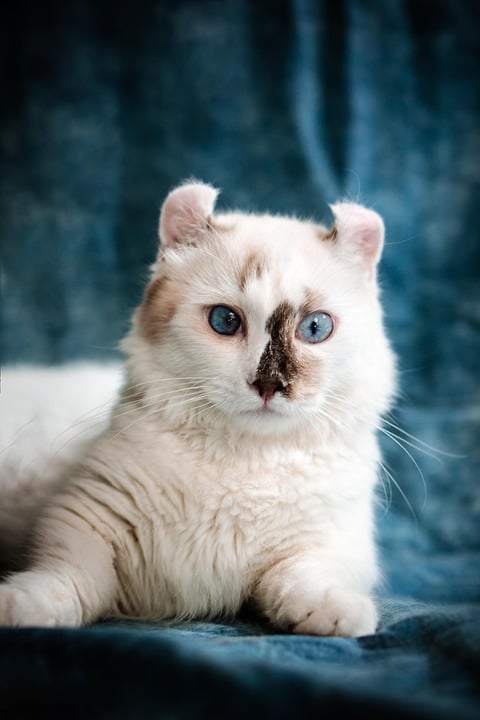
Unravel the Charm: 7 Unique Traits of the American Curl Cat
Cats hold a special place in many households, and among the diverse array of feline breeds, the American Curl stands out with its unique physical features and delightful personality. Known for their distinct curled ears and friendly disposition, American Curls are more than just a pretty face. They’re affectionate, intelligent, and make wonderful companions. In this article, we’ll explore the unique traits of the American Curl cat, delve into their history and temperament, and discuss their suitability for different types of households.
Overview of the American Curl Breed
History
The American Curl breed originated in the early 1980s when a couple in Lakewood, California, discovered a stray black kitten with unusual folded ears. As the kitten matured, her ears curled back behind her head, creating a unique appearance. This kitten, later named “Shirley,” became the foundation for this enchanting breed. By selectively breeding Shirley’s offspring, breeders established the American Curl breed, which was recognized by various cat registries in the following years.
Temperament and Personality Traits
American Curls are known for their sweet and playful nature. They are sociable cats, often forming strong bonds with their human families. Their affectionate disposition means they love to cuddle and spend time close to their owners.
Curls are also quite intelligent and curious. They enjoy engaging with their environment and are known for their playful antics. This breed is usually adaptable to different living situations, be it a busy family home or a quiet apartment, making them suitable for a variety of households.
Grooming Needs
Grooming an American Curl is relatively straightforward. Their coat can range from medium to long, and most Curls have a soft, silky texture. Regular brushing, at least once a week, helps to reduce shedding and keeps their fur in tip-top condition. Pay attention to their ears, as the unique curl can make dirt and debris more noticeable.
Health Considerations
While American Curls are generally considered a healthy breed, they can be prone to certain genetic conditions, particularly related to their distinctive ear structure. Regular veterinary check-ups are essential to ensure your cat is healthy and to catch potential issues early. It’s vital to be mindful of their breeding history when choosing a pet from a breeder.
Suitability for Different Types of Households
Thanks to their adaptable nature, American Curls fit well in many different environments. They thrive in homes with an active family or in quieter households where they can enjoy gentle companionship. Curls are also known to get along well with other pets, including dogs, making them an excellent choice for multi-pet households.
Training and Socialization Tips
Training Techniques: Start training your American Curl from a young age. Use positive reinforcement techniques, such as treats and praise, to encourage good behavior. Begin with basic commands like “sit,” “stay,” and “come.”
Socializing Your Cat: Introduce your Curl to new experiences gradually. This can include meeting other pets or spending time in different environments. The more exposure they have to various situations, the more confident and well-adjusted they will become.
What is an emotional support animal (ESA)?
An Emotional Support Animal (ESA) is a pet that offers comfort and emotional support to individuals experiencing mental health issues or emotional challenges. While they are not service animals, ESAs can play a vital role in helping people cope with conditions such as anxiety, depression, PTSD, or panic attacks.
How Cats and Dogs Provide Emotional Support
The bond between humans and animals has been supported by various scientific studies highlighting the benefits of companionship. Pets provide unconditional love, a sense of security, and can help mitigate feelings of loneliness. Their nonverbal communication and instinctive ability to sense human emotions can lead to significant improvements in mental well-being.
- Reducing Anxiety: Studies show that the presence of a pet can decrease cortisol levels, the hormone associated with stress. Simply petting a cat or dog can induce relaxation.
- Providing Comfort: Animals can create a calming presence, often serving as a source of companionship during tough times. Their loyalty and unwavering support can help individuals feel less isolated.
Real-Life Examples
Many pet owners can attest to the emotional support their pets provide. From comforting someone during a panic attack to simply being there during tough days, pets often become essential companions. Their playful antics and loving nature can turn a bad day around, fostering moments of joy amidst life’s challenges.
Key Information
- Breed Overview: American Curls are known for their unique curled ears, affectionate nature, and adaptability to various households.
- Grooming Needs: Regular brushing and ear care are essential for keeping them healthy.
- Health Considerations: Generally healthy but susceptible to specific genetic conditions.
- Training: Use positive reinforcement and start socialization early.
- emotional support animals: Cats and dogs can provide significant emotional benefits, including reduced anxiety and improved overall well-being.
FAQs about Emotional Support Animals
-
What qualifies a pet as an Emotional Support Animal?
- An ESA provides companionship and support to individuals with mental health conditions and does not require specific training.
-
Do ESAs have the same rights as service animals?
- No, ESAs do not have the same access rights in public places as service animals, but they can often reside in housing that prohibits pets.
-
Can any pet be an ESA?
- Yes, any animal can be designated as an ESA if they provide comfort and support to their owner, although dogs and cats are the most common choices.
-
How can I get my pet certified as an ESA?
- You can obtain certification through licensed mental health professionals who can assess your need for an ESA.
-
Do Emotional Support Animals need training?
- ESAs do not need specific training, but basic obedience training can be beneficial for a positive relationship.
-
Can my landlord refuse my ESA?
- Under the Fair Housing Act, landlords are generally required to accept ESAs, but they can ask for documentation.
-
What documentation do I need for my ESA?
- You will need a letter from a licensed mental health professional stating that you require the emotional support animal.
-
Do ESAs need to be registered?
- While there is no official registry for ESAs, documentation from a licensed mental health professional is essential.
-
What is the difference between an ESA and a therapy animal?
- Therapy animals are trained to provide support to multiple individuals, often in hospitals or schools, while ESAs are dedicated to their owners.
Conclusion
American Curl cats combine beauty, charm, and a loving temperament, making them exceptional companions. Whether you’re seeking a playful pet for your family or an emotional support animal, Curls offer a unique presence in any home.
If you’re considering designating your pet as an Emotional Support Animal, visit Veripaw.org. Since 2012, Veripaw has been helping pet owners connect with licensed mental health professionals, obtain ESA documentation, and access top-quality pet accessories. Take the first step towards finding the right emotional support for you and your furry friend today!


