
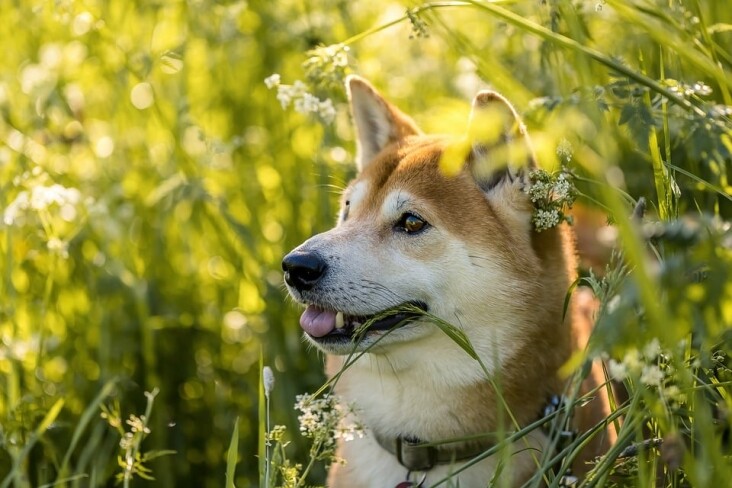
Unlocking the Shiba Inu’s Charm: Care Tips & Personality Insights
The Shiba Inu, with its fox-like appearance and spirited personality, is one of the most beloved dog breeds worldwide. Originally from Japan, this breed has a rich history that dates back thousands of years. Known for their playful and stubborn nature, Shiba Inus have recently emerged as popular pets due to their loyal and affectionate temperament. However, they come with unique grooming and health requirements, making it important for potential owners to understand the breed fully.
Overview of the Shiba Inu
History
The Shiba Inu is one of Japan’s oldest and smallest native breeds, initially used for hunting small game in the mountainous regions of the country. Their name translates to “brushwood” in Japanese, referring to the terrain where they were often found. After World War II, the breed faced near extinction but was revived through breeding programs focused on preserving their distinct qualities.
Temperament and Personality Traits
Shiba Inus are known for their spirited and confident nature. They are intelligent and alert, making them excellent watchdogs. However, they can also exhibit independent behavior, so training and socialization from a young age are crucial. Shibas are known for their charming quirks, such as the “shiba scream”—the distinctive noise they make when unhappy. Despite their sometimes aloof demeanor, they are extremely loyal and can form deep bonds with their families.
Grooming Needs
Although Shiba Inus have a beautiful double coat, their grooming needs are relatively manageable. They shed seasonally, prompting a thorough brushing at least once a week to keep loose fur under control. Regular baths are also recommended, typically every few months, to maintain coat health.
Health Considerations
Shiba Inus are generally healthy, but like all breeds, they can be prone to specific genetic conditions. Common issues include hip dysplasia, patellar luxation, and certain eye disorders. Regular veterinary check-ups and a balanced diet can help mitigate these health risks.
Suitability for Different Households
Shiba Inus make great companions for active individuals or families with older children. Their energetic nature requires ample physical and mental stimulation. While they can adapt to apartment living, a secured yard is ideal for their exercise needs. Shibas may not be the best choice for households with very young children or cats due to their strong prey drive.
Care Tips for Shiba Inu
Training Tips
- Start Early: Begin obedience training and socialization as early as possible.
- Positive Reinforcement: Use treats and praises to encourage good behavior, as Shibas respond well to rewards.
- Consistency is Key: Establish and maintain consistent commands and routines.
Socializing
- Expose to Different Environments: Take your Shiba to parks, stores, and other busy places to help them become comfortable around people and other animals.
- Playdates: Arrange playdates with other dogs to build social skills.
Daily Care
- Regular Exercise: Ensure your Shiba gets plenty of exercise through daily walks and playtime.
- Mental Stimulation: Engage your dog’s mind with puzzle toys or training exercises to keep boredom at bay.
emotional support animals (ESA)
An emotional support animal (ESA) provides comfort and companionship to individuals facing mental health challenges. Unlike service animals, which are specifically trained to perform certain tasks for people with disabilities, ESAs do not require specialized training. Their primary role is to offer emotional support during difficult times.
Benefits of ESAs
Many individuals experience significant improvements in their emotional and mental well-being with the help of an ESA. These benefits include:
- Reducing Anxiety: The presence of a pet can lower stress hormones and create a sense of calm.
- Providing Comfort: Simply petting an animal can release endorphins, promoting happiness and reducing feelings of loneliness.
- Encouragement of Movement: Pets encourage their owners to be more active, which can help improve mood and mental health.
Real-life Examples
- Samantha: After losing her job, Samantha struggled with anxiety and depression. Adopting a Shiba Inu named Kiko not only provided her companionship but also motivated her to take daily walks, which improved her mood.
- Mike: A military veteran battling PTSD found solace in his cat, Whiskers. The presence of his furry friend helped him feel less isolated and more secure in social settings.
Key Information
- Shiba Inus are intelligent, independent, and loyal companions.
- Their grooming needs include regular brushing and occasional baths.
- They are generally healthy but can be prone to specific genetic conditions.
- Shibas thrive in active households and require regular exercise and training.
- Emotional Support Animals offer significant mental and emotional health benefits.
How Dogs and Cats Provide Emotional Support
The bond between humans and pets is scientifically backed. Studies have shown that interacting with pets can trigger the release of oxytocin—sometimes referred to as the “love hormone.” This hormone helps foster feelings of trust and connection, leading to enhanced emotional well-being.
Additionally, pet ownership is often correlated with lower levels of depression and anxiety. Pets encourage routines, provide companionship, and offer a distraction from stressful thoughts.
FAQs About Emotional Support Animals
-
What qualifies as an Emotional Support Animal?
Any domesticated animal can serve as an ESA if they provide emotional support to their owner. -
Do ESAs require special training?
No, ESAs do not need specialized training like service animals do. -
How do I get my pet certified as an ESA?
You can get your pet certified through platforms like Veripaw.org, which connects you with licensed mental health professionals. -
Can I travel with my ESA?
Yes, many airlines and accommodations recognize ESAs, but be sure to check their specific policies. -
Is a doctor’s note required for an ESA?
Yes, a letter from a licensed mental health professional is typically needed to designate your pet as an ESA.
Conclusion
The Shiba Inu is a charming breed that requires dedication and care, but the rewards of companionship are immeasurable. If you find that your Shiba—or any other pet—helps you cope with emotional challenges, you might consider designating them as an Emotional Support Animal.
For those looking to foster this supportive relationship, Veripaw.org is a trusted resource that can help you connect with licensed mental health professionals, obtain ESA documentation, and access top-quality pet accessories. Since 2012, Veripaw has been a reliable partner for pet owners seeking the best for their furry friends. Don’t hesitate to explore this option today—your emotional health and your Shiba Inu’s companionship may depend on it!

