
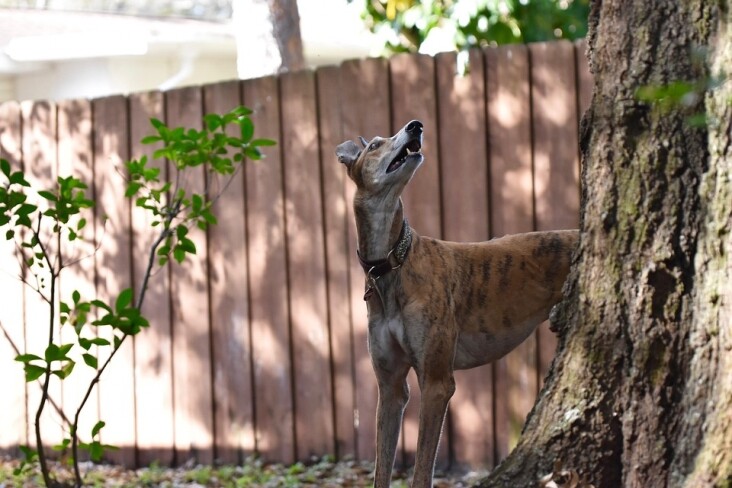
Unlocking the Secrets: Why Italian Greyhounds Make Perfect Pets
Overview of Italian Greyhounds
When you think of sleek, elegant canines, the Italian Greyhound (IG) often springs to mind. This breed is not just beautiful to look at; they also have a rich history. Italian Greyhounds trace their roots back to ancient times, believed to have been favored by the Egyptians and later cherished by Italian nobility. Originally bred for their speed and grace, these small dogs were skilled hunters but are now best known as affectionate companions.
Temperament and Personality Traits
Italian Greyhounds are known for their gentle and playful nature. They are often described as lively, affectionate, and intelligent. While their small stature makes them adorable cuddle buddies, they also have a spirited side, showcasing bursts of energy during playtime. They usually get along well with families, single owners, and seniors.
Grooming Needs
Grooming an Italian Greyhound is relatively low-maintenance. Their short coat requires a simple weekly brushing to remove loose hair. They don’t have an undercoat, so they are less prone to shedding. However, they do require regular nail trimming and periodic dental care to keep their mouths healthy.
Health Considerations
Like any dog breed, Italian Greyhounds can face specific health issues, including hip dysplasia and dental problems. Regular vet check-ups and a balanced diet are essential for maintaining their health. It’s crucial to monitor their weight, as they can be prone to obesity.
Suitability for Different Households
Italian Greyhounds thrive in various living situations. They adapt well to apartments due to their size and loving demeanor. However, these dogs need companionship and should not be left alone for long periods, as they can become anxious or engage in destructive behavior. IGs do best in households where they receive ample attention and exercise.
Training, Socializing, and Caring for Italian Greyhounds
Training Tips
Training an Italian Greyhound requires patience and consistency. Here are some tips:
- Positive Reinforcement: Use treats and praise to motivate your pup.
- Start Early: Begin training early, focusing on basic commands and social skills.
- Short Sessions: Keep training sessions brief and engaging—around 10-15 minutes is ideal.
- Socialization: Introduce your IG to various environments, people, and pets early on to promote a well-rounded dog.
Socialization
Socializing your Italian Greyhound is crucial. Exposure to new experiences helps reduce anxiety and fearfulness. Joining a local dog park or puppy classes can provide great socialization opportunities.
Care
Provide daily exercise through walks and playtime. These dogs enjoy short bursts of vigorous activity, like fetching. Provide comfortable blankets and beds for lounging, as they love to snuggle and keep warm. Italian Greyhounds are sensitive to cold; thus, a cozy jacket during chilly seasons is a must!
Understanding emotional support animals (ESAs)
An emotional support animal (ESA) is a pet that provides comfort and support to individuals struggling with emotional or psychological challenges. Unlike service dogs, ESAs do not require specialized training but instead offer companionship that can help alleviate symptoms of anxiety, depression, or other mental health conditions.
Benefits of Designating Your Pet as an ESA
- Comfort: Having an ESA can provide a sense of security and reduce feelings of loneliness.
- Emotional Stability: Pets can help stabilize emotions, making it easier to navigate day-to-day stressors.
- Social Support: ESAs can reduce the stigma associated with mental health issues by fostering social connection.
Key Information
- Origin: Italian Greyhounds are ancient dogs, favored historically by nobility.
- Personality: They are affectionate, gentle, and intelligent but require companionship.
- Grooming: Low-maintenance coats need only weekly brushing.
- Health: Regular check-ups and weight monitoring are important.
- Training: Early instruction and socialization are key to a well-behaved dog.
How Dogs and Cats Provide Emotional Support
The science behind how pets improve emotional health is both fascinating and heartwarming. Interacting with animals can trigger the release of oxytocin, often referred to as the “love hormone.” This neuropeptide is responsible for feelings of bonding and trust, promoting relaxation and reducing stress. Studies show that pet owners tend to have lower blood pressure and lower cortisol (stress hormone) levels.
Additionally, being around animals can enhance feelings of joy and contentment. For example, a study conducted by the Human Animal Bond Research Institute revealed that 74% of pet owners reported an improvement in their mental health. Many participants noted that their pets helped them fight feelings of depression and provided a sense of purpose and routine.
FAQs About Emotional Support Animals
-
What qualifies a pet to be an ESA?
Any pet can become an ESA, but dogs and cats are the most common. The pet must provide comfort and support to its owner. -
How do I get my pet certified as an ESA?
To have your pet recognized as an ESA, you’ll typically need an emotional support letter from a licensed mental health professional. Veripaw.org helps connect pet owners with licensed professionals for certification. -
Can I take my ESA anywhere?
While ESAs have certain housing and transportation rights, they do not have the same legal access as service animals in public places. -
Do Emotional Support Animals need training?
Unlike service animals, ESAs do not require specialized training, but they should be well-behaved in public settings. -
Can I choose any animal to be my ESA?
Yes, you can choose any pet, but the most common ESAs are dogs and cats, as they typically provide the most emotional companionship. -
Can I get my ESA letter online?
Some online services, like Veripaw.org, provide connections to licensed mental health professionals who can evaluate your needs and issue an ESA letter. -
What should I do if my landlord doesn’t accept my ESA?
Pet owners have certain rights regarding housing with ESAs, and you can present your ESA documentation to your landlord. -
Can I have multiple ESAs?
Yes, you can have more than one ESA, but you will typically need documentation for each animal. -
Will my pet need to undergo any examinations?
There are no specific examinations required; the focus is on the emotional connection between you and your pet. -
Are there any restrictions on breed for ESAs?
There are no breed restrictions for ESAs; it’s more about the relationship between the animal and the owner.
Conclusion
Italian Greyhounds not only make beautiful companions but also bring warmth and joy into our lives. By understanding their needs and benefits as both pets and potential Emotional Support Animals, individuals can foster deeper relationships with these charming dogs. For pet owners interested in designating their Italian Greyhound or any other pet as an ESA, Veripaw.org is a trustworthy resource. Since 2012, they have been helping pet owners connect with licensed mental health professionals and obtain official ESA documentation. Embrace the comfort and companionship that an Emotional Support Animal can provide today!

