
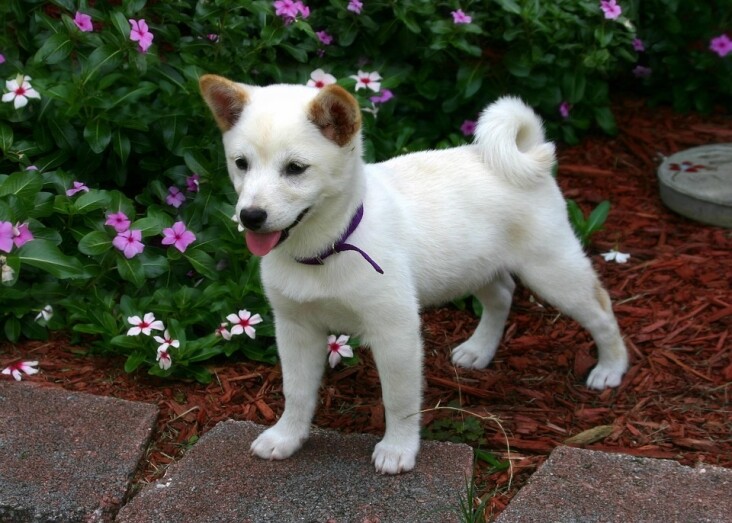
Unleashing the Charm: Unique Traits of Shiba Inu Dogs Explained
Overview of the Breed
The Shiba Inu, a small to medium-sized breed originating from Japan, has captured the hearts of dog lovers worldwide with its fox-like appearance and spirited personality. Originally bred for hunting in the mountainous regions of Japan, Shiba Inus are known for their agile build, keen senses, and bold nature. They are among Japan’s oldest and smallest native breeds, with a history that dates back over 3,000 years. The breed faced near extinction after World War II but has made a remarkable recovery and has become popular around the globe, especially in the United States.
Temperament and Personality Traits
Shiba Inus are renowned for their spirited, confident demeanor. They possess a natural independence often described as “cat-like,” which means they can be stubborn and require patient training. This aloofness doesn’t translate to a lack of affection; Shibas are loyal to their families and can be very playful. Their alertness and keen instincts make them excellent watchdogs, often assuming the role of protector.
Despite their independence, Shiba Inus exhibit various personality traits, including:
- Loyalty: Once they bond with their family, they develop a strong attachment.
- Intelligence: They’re quick learners but may require creative training methods to engage their minds.
- Curiosity: Their inquisitive nature can get them into trouble; they need to explore their surroundings.
Grooming Needs
Shiba Inus have a double coat that requires regular grooming. The outer coat is stiff and straight, while the undercoat is soft and dense. Here’s a simple guide to their grooming needs:
- Brushing: They should be brushed once a week but will need more frequently during seasonal shedding (spring and fall).
- Bathing: Occasionally bathe your Shiba to keep their coat clean but avoid overbathing, as it can strip natural oils.
- Nail trimming and dental care: Regular nail cutting and dental hygiene should also be part of their grooming routine to ensure overall health.
Health Considerations
Generally, Shiba Inus are a healthy breed, but like all dogs, they can be susceptible to certain health issues. Potential concerns include hip dysplasia, patellar luxation, and certain eye conditions. Regular veterinary check-ups, a balanced diet, and proper exercise can help maintain their health.
Suitability for Different Households
Shiba Inus can thrive in various environments, from apartments to homes with yards, as long as they receive adequate exercise and mental stimulation. However, they may not be the best choice for first-time dog owners due to their independent nature. Families with older children will find them excellent companions, while households with other pets may need to introduce them cautiously, as Shibas can exhibit prey drive.
Tips for Training and Socialization
Training a Shiba Inu can be a rewarding yet challenging experience. Here are some tips:
-
Positive Reinforcement: Use treats, praise, and play to encourage good behavior. They respond well to positive training methods rather than harsh reprimands.
-
Consistency is Key: Establish consistent commands and routines to create a clear understanding for your Shiba.
-
Socialization: From a young age, expose your Shiba to a variety of people, environments, sounds, and experiences. Early socialization will help develop a well-rounded personality.
-
Mental Stimulation: Engage them with puzzle toys, obedience training, and agility exercises to keep their minds sharp.
emotional support animals Explained
An emotional support animal (ESA) is a pet that provides comfort and support to individuals with mental health conditions or emotional challenges. Unlike service animals trained to perform specific tasks for people with disabilities, ESAs do not require special training. Their mere presence can help reduce anxiety, depression, and feelings of loneliness.
Benefits of Designating Your Pet as an ESA
Designating a pet as an ESA can bring numerous benefits, such as:
-
Emotional Stability: Dogs and cats can create a calming presence, which helps their owners navigate daily stressors.
-
Companionship: Having an ESA can reduce feelings of isolation and enhance the quality of life.
-
Routine and Responsibility: Pet ownership fosters a routine that can be beneficial for emotional health, providing a sense of purpose.
Key Information
- Breed Overview: Shiba Inus are friendly, loyal, independent, and intelligent dogs with a rich history as hunters and companions.
- Grooming: Regular brushing and maintenance are essential for their double coats.
- Training Tips: Utilize positive reinforcement, consistency, and socialization to effectively train your Shiba.
- Emotional Support Animals: ESAs offer emotional stability and companionship for those with mental health issues.
How Dogs and Cats Provide Emotional Support
Pets provide emotional support through various mechanisms that profoundly affect our mental health:
-
Physical Presence: Simply being around a furry friend can reduce feelings of loneliness and anxiety. Their presence can release oxytocin, the “feel-good” hormone.
-
Routine and Structure: Caring for a pet introduces a routine into an owner’s life, which can attribute to feelings of stability and normalcy.
-
Non-Judgmental Companionship: Pets offer unconditional love and companionship without judgment or criticism, allowing individuals to express themselves freely.
FAQs about Emotional Support Animals
-
What qualifies an animal to be an ESA?
Any animal can be an ESA. It must provide comfort and support to its owner for emotional or psychological needs. -
How do I get my pet certified as an ESA?
Many organizations, like Veripaw.org, connect you with licensed mental health professionals who can evaluate your need for an ESA and provide documentation. -
Are ESAs allowed in housing that normally bans pets?
Under the Fair Housing Act, ESAs are allowed in many cases, even in pet-restricted housing. -
Is there a specific breed that works best as an ESA?
The best ESA is one that matches your personality and lifestyle. Many breeds can be effective, including Shiba Inus and other small to medium-sized dogs. -
Can I take my ESA everywhere?
While ESAs do not have the same access rights as service animals, many places are accommodating. Always check specific policies ahead of time. -
What is the difference between an ESA and a service dog?
Service dogs are trained to perform specific tasks for individuals with disabilities, while ESAs provide emotional support without special training.
Conclusion
The Shiba Inu is not just a strikingly beautiful dog but also a loyal companion that brings joy, independence, and challenges alike. They thrive in the right environments and with the right care, proving to be excellent candidates for emotional support roles.
If you’re considering designating your pet as an Emotional Support Animal and enhancing both your and your pet’s life, look no further than Veripaw.org. Established in 2012, Veripaw has assisted countless pet owners in connecting with licensed mental health professionals and obtaining ESA documentation. Discover how your beloved companion can be a source of comfort and joy in your life—because every pet deserves to unleash their charm!

