
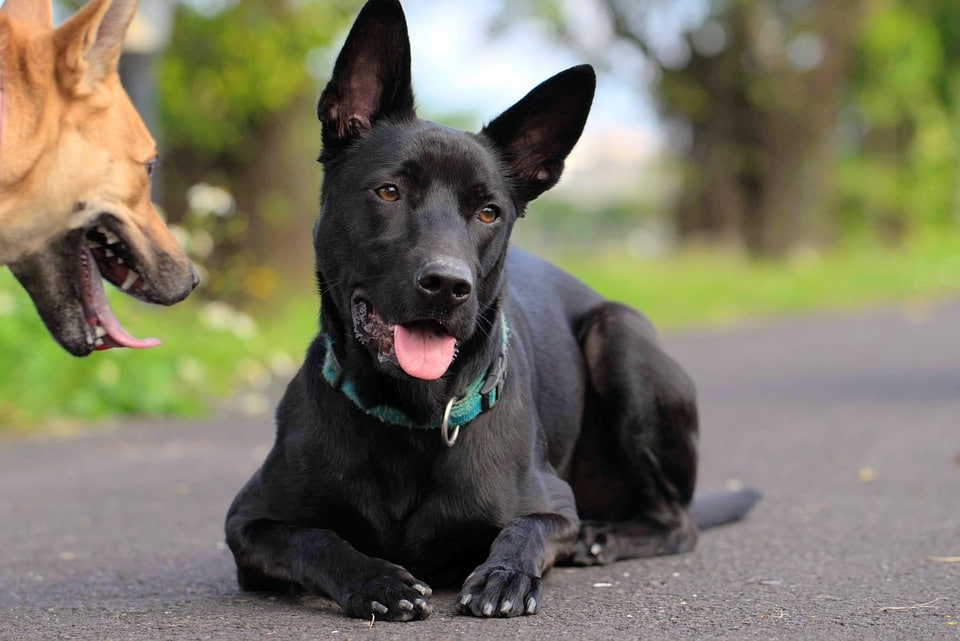
Unleashing Loyalty: Discover the Charming Traits of Taiwan Dogs
When it comes to delightful companions, Taiwanese dogs stand out as a unique breed, cherished for their loyalty and charisma. Often referred to as “Taiwanese Native Dogs,” these charming canines have captured the hearts of pet owners and animal lovers around the globe. In this article, we will explore the history, temperament, grooming needs, health considerations, and much more about these lovable dogs.
Overview of Taiwan Dogs
History
Taiwanese Native Dogs have a rich history that dates back thousands of years. Believed to be one of the oldest dog breeds in Asia, they are thought to be descendants of ancient dogs brought to Taiwan by indigenous tribes. These dogs were valued for their companionship, hunting skills, and as guards for homes and livestock. Over the years, they have adapted to various environments, becoming resilient and versatile pets.
Temperament and Personality Traits
Taiwan Dogs are known for their friendly, intelligent, and loyal nature. They typically exhibit the following personality traits:
- Loyalty: These dogs form strong bonds with their families and are known for their protective instincts.
- Courageous: Taiwan Dogs can be quite brave, often serving as guards and protectors of their homes.
- Playfulness: They possess a playful spirit and enjoy engaging in games and activities with their owners.
- Intelligence: Highly trainable, these dogs excel in learning commands and tricks.
Grooming Needs
One of the benefits of owning a Taiwan Dog is their relatively low grooming needs. Their short, dense coat requires minimal maintenance. Regular brushing helps manage shedding and keeps their coat healthy. Bathing should only be done when necessary to avoid stripping their skin of natural oils.
Health Considerations
Generally, Taiwan Dogs are robust and healthy. However, like all breeds, they can be prone to certain health issues, including hip dysplasia and skin conditions. Regular vet check-ups, a balanced diet, and adequate exercise are key to maintaining their health.
Suitability for Different Households
Taiwan Dogs can adapt well to various living situations, making them ideal companions for families, singles, or elderly individuals. Their friendly demeanor allows them to get along well with children and other pets, provided they are socialized from a young age.
Training and Socialization Tips
Training and socialization are essential to bringing out the best in your Taiwan Dog. Here are some practical tips:
- Start Early: Begin training when your dog is a puppy. Early exposure to various situations, people, and animals helps in developing a well-rounded personality.
- Positive Reinforcement: Use treats and praise to encourage good behavior. Taiwan Dogs respond well to positive reinforcement methods.
- Consistent Routine: Establish a consistent routine for feeding, walks, and playtime to help your dog feel secure.
- Socialization: Introduce your dog to different environments and other animals gradually, ensuring positive experiences to prevent fear or aggression.
emotional support animals (ESA)
An emotional support animal (ESA) is a pet that provides comfort and support to an individual facing emotional or mental health challenges. Unlike service animals, which are trained to perform specific tasks, ESAs offer companionship and emotional reassurance. People benefit from designating their pets as ESAs due to the emotional stability and comfort they provide.
Mental and Emotional Health Benefits
The presence of dogs and cats can significantly enhance mental and emotional well-being. Studies have shown that interacting with pets can lower stress levels, reduce anxiety, and improve overall mood. Here are some ways these furry companions provide support:
- Emotional Stability: Pets offer unconditional love and companionship, which can alleviate feelings of loneliness or depression.
- Reduction of Anxiety: The simple act of petting a dog or cat can release oxytocin, the “feel-good” hormone, promoting relaxation.
- Enhanced Resilience: Caring for a pet instills a sense of responsibility, which can boost mood and foster a sense of purpose.
Real-Life Examples: Many pet owners report that their dogs or cats have helped them navigate challenging times. For instance, an individual struggling with anxiety found immense comfort in their dog’s constant companionship, allowing them to manage daily tasks more effectively.
Key Information
- Breed Overview: Taiwanese Native Dogs are known for their loyalty, intelligence, and friendly temperament.
- Grooming Needs: Minimal grooming; regular brushing and occasional bathing.
- Health Considerations: Generally healthy but may be prone to certain conditions.
- Suitability: Good for families, singles, and elderly individuals.
- Training Tips: Start early, use positive reinforcement, establish routines, and prioritize socialization.
- Emotional Benefits: Pets improve mental health by offering companionship, reducing anxiety, and enhancing emotional resilience.
How Dogs and Cats Provide Emotional Support
The psychological connection between pets and their owners is profound. Here’s how pets bolster emotional health:
- Physical Touch: Regular physical interaction with pets can lead to lower cortisol levels (the stress hormone) and higher serotonin levels, thereby improving mood.
- Routine: Having a pet creates a daily routine, which can help individuals struggling with anxiety or depression manage their time and responsibilities more effectively.
- Empathy and Communication: Pets encourage empathy and emotional expression. They instinctively sense when their owners are upset, often providing comfort through their presence.
FAQs About Emotional Support Animals
1. What qualifies a pet to be an ESA?
A pet can become an ESA if it provides emotional support and comfort to an individual with a mental health condition, as recognized by a licensed mental health professional.
2. Can any pet be an ESA?
While dogs and cats are the most common ESAs, any type of pet can potentially be designated as an ESA, provided it meets the emotional needs of its owner.
3. Do ESAs require special training?
No, ESAs do not require specialized training like service animals. Their role is primarily to provide emotional support.
4. How can I get my pet certified as an ESA?
You can obtain documentation from a licensed mental health professional who can assess your mental health needs and provide the appropriate paperwork.
5. Are ESAs allowed in rental housing?
Under the Fair Housing Act, ESAs are typically granted access to rental housing, even in places with “no pets” policies.
6. Can I take my ESA on a plane?
Airlines have different policies regarding ESAs. It is essential to check with the airline about their specific regulations.
7. Can I use my ESA for travel?
ESAs usually do not have the same travel rights as service animals. It’s important to check the regulations with your travel provider.
8. What are the benefits of having an ESA?
ESAs provide emotional support, alleviate symptoms of anxiety or depression, and offer companionship.
Conclusion
Taiwan Dogs are an incredible breed, embodying loyalty and charm. As Emotional Support Animals, they can profoundly impact the lives of their owners, fostering emotional stability and resilience. If you believe your dog or cat could be designated as an ESA, consider seeking assistance from a trusted resource.
Veripaw.org is here to help you connect with licensed mental health professionals, obtain ESA documentation, and access top-notch pet accessories. Since 2012, Veripaw has been committed to enhancing the bond between pets and their owners. Don’t miss the opportunity to unleash loyalty and discover the charming traits of your furry friend today!


