
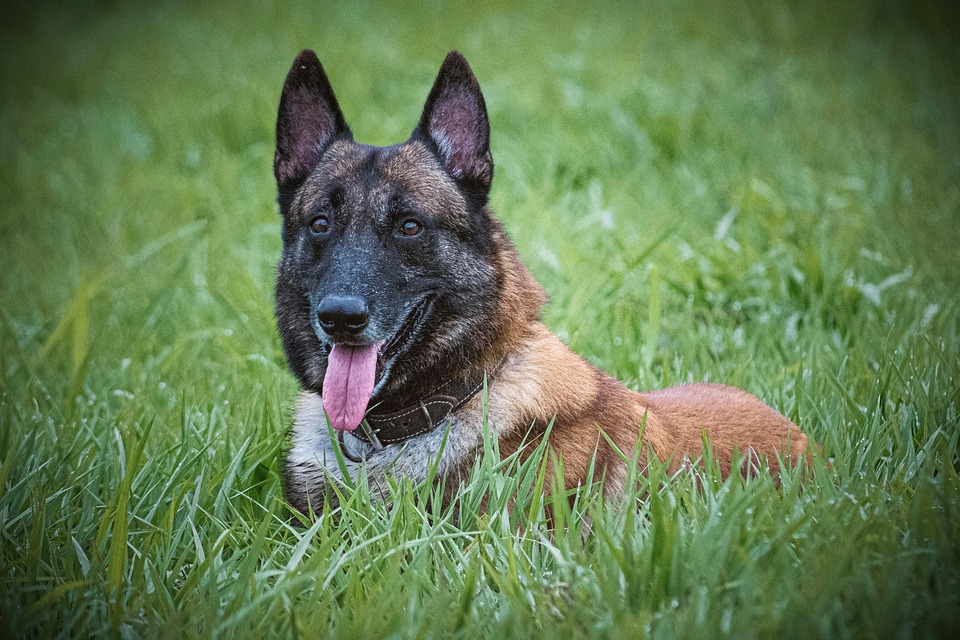
Unleashing Love: The Loyal Nature of Belgian Tervurens
Belgian Tervurens are often considered one of the most loyal and affectionate dog breeds available, making them perfect companions for families, singles, and anyone looking for a devoted friend. With their striking appearance, intelligence, and outgoing nature, these dogs have a rich history, fascinating temperament, and specific care requirements worth exploring.
A Glimpse Into the Belgian Tervuren
History
Originating from Belgium, Tervurens were initially bred as herding dogs. They are one of the four Belgian Sheepdog varieties, alongside the Belgian Malinois, Belgian Laekenois, and Belgian Groenendael. Known for their exceptional work ethic, these dogs played crucial roles in farms, helping to herd sheep and protect livestock. Their versatility and adaptability have made them favorites not only in farm working but also in police and military roles, search and rescue, and as service animals.
Temperament & Personality Traits
Tervurens are renowned for their energetic and playful nature. They are intelligent, highly trainable, and often eager to please their owners. These dogs thrive on companionship and can be very protective of their families, making them excellent watchdogs. However, their loyalty also means they can experience separation anxiety if left alone for long periods.
Grooming Needs
Maintaining a Belgian Tervuren’s glorious coat is crucial for their health and appearance. They have a double coat that requires regular grooming to prevent matting and reduce shedding. Brushing them at least once a week, and more frequently during shedding seasons, is advisable. Regular baths are also recommended, but be cautious not to over-bathe, as this can strip natural oils from their skin.
Health Considerations
Belgian Tervurens are generally healthy but are prone to certain genetic health issues, including hip dysplasia, elbow dysplasia, and various eye disorders. Regular vet checkups, a balanced diet, and appropriate exercise can go a long way in promoting their health.
Suitability for Different Households
Tervurens are best suited for active households where they can expend their energy. They thrive in environments where they can participate in various activities, whether it’s hiking, running, or dog sports. They can adapt to apartment living if given enough exercise and mental stimulation, but they do best with outdoor access.
Training and Socializing Tips
Training a Belgian Tervuren can be a rewarding experience. Here are some tips to set your Tervuren up for success:
-
Start Early: Begin socialization and training as early as possible. Introduce them to different people, animals, and environments.
-
Positive Reinforcement: Use treats, praise, or play to reward your dog for good behavior. This method is particularly effective with intelligent breeds like Tervurens.
-
Structured Routine: Consistency is crucial. Try to maintain a regular routine for feeding, walks, and playtime to help your dog feel secure.
-
Mental Stimulation: Engage them with puzzle toys or agility courses. Tervurens love challenges, and mental exercises can tire them out just as much as physical ones.
-
Classes: Consider enrolling in obedience or advanced training classes. This also provides an opportunity to socialize with other dogs.
Understanding emotional support animals (ESAs)
An emotional support animal (ESA) is a pet that provides emotional support and comfort to individuals struggling with mental and emotional challenges. Unlike service animals that are trained to perform specific tasks for individuals with disabilities, ESAs primarily provide companionship and can help reduce feelings of anxiety, depression, or loneliness.
Benefits of ESAs
Designating a pet as an ESA can offer various benefits:
- Reduced Anxiety: Many individuals report feeling calmer and more at ease with the presence of their pet.
- Emotional Stability: Pets can provide unconditional love, creating a stabilizing effect during stressful times.
- Companionship: Having an ESA can alleviate feelings of loneliness, especially for those living alone or going through difficult emotional phases.
Real-life examples highlight the importance of ESAs; consider a college student facing significant academic pressure. With a dog by their side, they might find solace in routine walks or the simple joy brought by their furry friend, leading to reduced anxiety and improved performance in school.
How Dogs and Cats Provide Emotional Support
The scientific understanding of why pets positively affect mental well-being includes several factors:
-
Oxytocin Release: Interacting with pets releases oxytocin, often referred to as the “love hormone.” This chemical promotes bonding and decreases stress levels.
-
Increased Activity: Pets encourage physical activity, which is directly linked to improved mental health. Walking a dog or playing with a cat can elevate mood and reduce symptoms of anxiety and depression.
-
Social Interaction: Pets act as social facilitators, encouraging conversations and interactions with others. This can be particularly beneficial for those suffering from social anxiety.
Key Information
- Breed Overview: Belgian Tervurens are loyal, intelligent, and active dogs suitable for energetic households.
- Grooming Needs: They require regular grooming due to their double coat.
- Health Considerations: Tervurens need regular vet checkups and exercise to maintain good health.
- Training Tips: Consistency, socialization, and positive reinforcement are crucial for effective training.
- ESAs: They provide emotional support and comfort, helping to alleviate mental health challenges.
FAQs About Emotional Support Animals
-
What qualifies a pet as an Emotional Support Animal?
- An ESA must provide comfort and emotional support; no specific training is required.
-
How can I designate my dog or cat as an ESA?
- You can get a recommendation letter from a licensed mental health professional.
-
Do ESAs have the same access rights as service animals?
- No, ESAs do not have the same public access rights as service animals.
-
Can any pet be an ESA?
- Generally, dogs and cats are the most common ESAs, but under certain circumstances, other animals may qualify.
-
What are the benefits of having an ESA?
- ESAs help alleviate anxiety, provide companionship, and create emotional stability.
-
Do ESAs require special training?
- Unlike service animals, ESAs do not need to be trained for specific tasks.
-
Can I take my ESA with me when I travel?
- Airlines have their policies regarding ESAs, so it’s important to check ahead of time.
-
Is there a certification process for ESAs?
- While there is no official certification, obtaining a letter from a licensed mental health professional is essential.
-
How do I care for my ESA?
- Care involves regular feeding, grooming, medical check-ups, and love and affection.
-
How does having an ESA improve emotional health?
- The presence of an ESA can provide routine, companionship, and unconditional love, all of which contribute to improved mental health.
Conclusion
The Belgian Tervuren exhibits unmatched loyalty and love, making them ideal companions for families and individuals alike. If you are considering designating your pet as an Emotional Support Animal, visit Veripaw.org. Since 2012, Veripaw has been assisting pet owners in connecting with licensed mental health professionals, obtaining ESA documentation, and accessing high-quality pet products. Together, let’s unleash the love that these furry friends can offer!


