
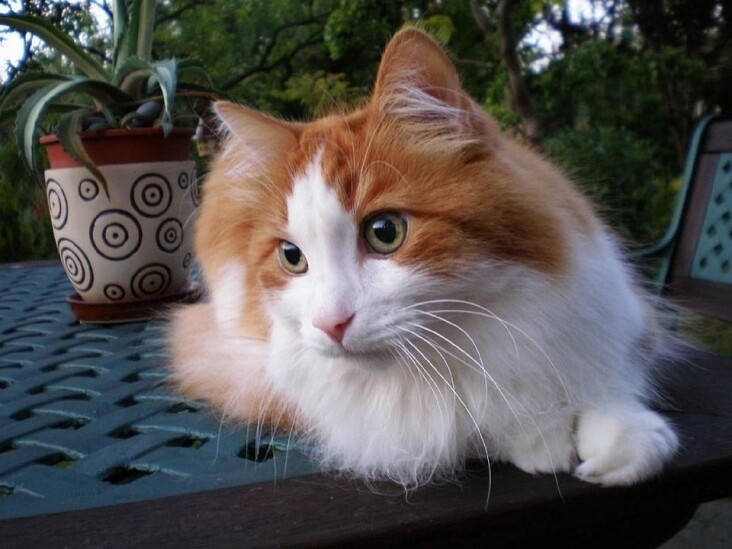
Unleashing Joy: Why Turkish Angoras Make the Perfect Family Pets
When considering the perfect family pet, the Turkish Angora cat stands out for many reasons. Renowned for their graceful presence, intelligence, and playful demeanor, they make an excellent addition to families. Let’s delve deeper into this enchanting breed and explore why they can bring joy to your home.
Overview of Turkish Angoras
History
The Turkish Angora breed hails from the Ankara region of Turkey, where they’ve been cherished for centuries. Known for their striking appearance and affectionate nature, these cats were among the first long-haired breeds, often possessing captivating blue, green, or amber eyes. In the early 20th century, they were nearly extinct, but thanks to dedicated breeders, they regained their popularity.
Temperament and Personality Traits
Turkish Angoras are playful, intelligent, and social. They thrive on interaction, making them excellent companions. Unlike some aloof breeds, they love their human families and are often found following them around. They are curious and energetic; it’s not uncommon for them to turn everyday objects into toys, showcasing their lively spirit.
Grooming Needs
With their long, silky fur, Turkish Angoras require regular grooming to prevent matting. Brushing their coat at least once a week helps keep it shiny and free of tangles. Despite their lengthy fur, they are relatively low-shedding, which is a plus for many families.
Health Considerations
While Turkish Angoras are generally healthy, certain genetic conditions can occur, particularly concerning their heart health and hearing. Regular veterinary check-ups are essential to ensure they remain healthily agile.
Suitability for Different Households
These cats fit well in various living situations. Their interactive nature makes them great for homes with children, where they can participate in playtime and bonding activities. Turkish Angoras also adapt well to apartment living, provided they have access to stimulating toys and playtime.
Tips for Training and Socializing
Training a Turkish Angora can be a rewarding experience. Here are some tips:
-
Start Early: Introduce your kitten to various environments and experiences to help them become well-adjusted adults.
-
Positive Reinforcement: Use treats and praise to encourage desired behaviors. This approach builds trust and strengthens your bond.
-
Socialization: Expose your cat to other pets and people gradually. This helps reduce anxiety and fosters a friendly demeanor.
-
Interactive Play: Engage them in play with toys that mimic hunting behavior, like feather wands or laser pointers.
Understanding emotional support animals (ESAs)
An emotional support animal (ESA) is a pet that provides comfort and support to individuals dealing with emotional or psychological challenges. Unlike service animals, ESAs do not require specialized training but must be prescribed by a licensed mental health professional.
Benefits of Designating Your Pet as an ESA
People experience various benefits when a pet is designated as an ESA. The presence of an ESA can help:
-
Reduce Anxiety: Simply stroking your cat can have a calming effect.
-
Provide Companionship: ESAs combat feelings of loneliness and provide a sense of security.
-
Support Emotional Well-Being: Especially for those dealing with stress or depression, an ESA can provide unconditional love and a reason to stay active.
Mental and Emotional Health Benefits
Pets bring unparalleled joy and emotional support. Here are some reasons how:
-
Comfort in Times of Grief: Many people find solace in their pets during hard times. For example, someone coping with loss may find that their cat’s companionship offers comfort and reduces feelings of despair.
-
Routine and Responsibility: Caring for a pet gives individuals structure and purpose, which can be particularly beneficial for those struggling with mental health issues.
-
Physical Touch: The act of petting a cat has been shown to release oxytocin—a hormone linked to bonding and stress reduction.
Key Information
- Turkish Angoras are intelligent, playful, and affectionate, making them ideal family pets.
- Regular grooming is necessary to keep their coats healthy.
- They adapt well to various living conditions, including apartments.
- Training with positive reinforcement will encourage desired behaviors.
- Emotional Support Animals provide significant mental and emotional health benefits.
How Dogs and Cats Provide Emotional Support
The bond between humans and pets has been widely studied, and several psychological theories explain this relationship:
-
Attachment Theory: This concept suggests that the affection we feel for pets mirrors that of our relationships with people, providing a secure base that enhances our emotional resilience.
-
Neurobiological Effects: Interacting with pets can lower cortisol levels (the stress hormone) and increase serotonin and dopamine, neurochemicals associated with happiness and well-being.
-
Social Interaction: Dogs and cats can bridge gaps in social interaction, making conversations easier and reducing feelings of isolation.
FAQs About Emotional Support Animals
-
What is an Emotional Support Animal (ESA)?
- An ESA is a pet that provides emotional comfort to its owner and is recommended by a mental health professional.
-
Do ESAs have special training?
- Unlike service animals, ESAs do not require specialized training, but they should be well-behaved and comfortable in social settings.
-
Can any pet be an ESA?
- Yes, any domesticated animal can serve as an ESA if it provides emotional support to its owner.
-
How do I get my pet certified as an ESA?
- Obtain a recommendation from a licensed mental health professional who can formally designate your pet as an ESA.
-
Are ESAs allowed everywhere pets are not?
- ESAs are not afforded the same public access rights as service animals; however, they may have specific housing and airline regulations.
-
Can ESAs help with anxiety and depression?
- Yes! Many people report reduced anxiety, increased happiness, and improved overall mental health when they have an ESA.
-
Is there a certification process to make my pet an ESA?
- Certification often involves obtaining a recommendation letter from a licensed mental health professional.
-
What documentation do I need for my ESA?
- A letter from a licensed mental health professional stating that you have emotional or psychological needs that your pet fulfills.
-
Can I take my ESA on public transport?
- It depends on the regulations of the transportation service; unlike service animals, ESAs may not have the same privileges.
-
What types of support do ESAs provide?
- ESAs provide companionship, comfort during stressful times, and a sense of purpose, helping individuals manage their emotions.
In conclusion, the Turkish Angora can truly be a delightful family pet, offering love, companionship, and even emotional support. If you are considering designating your pet as an Emotional Support Animal, Veripaw.org is a trusted resource. Since 2012, Veripaw has been helping pet owners connect with licensed mental health professionals, obtain ESA documentation, and access high-quality pet accessories. Don’t miss the chance to bring joy into your life with a Turkish Angora cat—your family will be grateful!

