
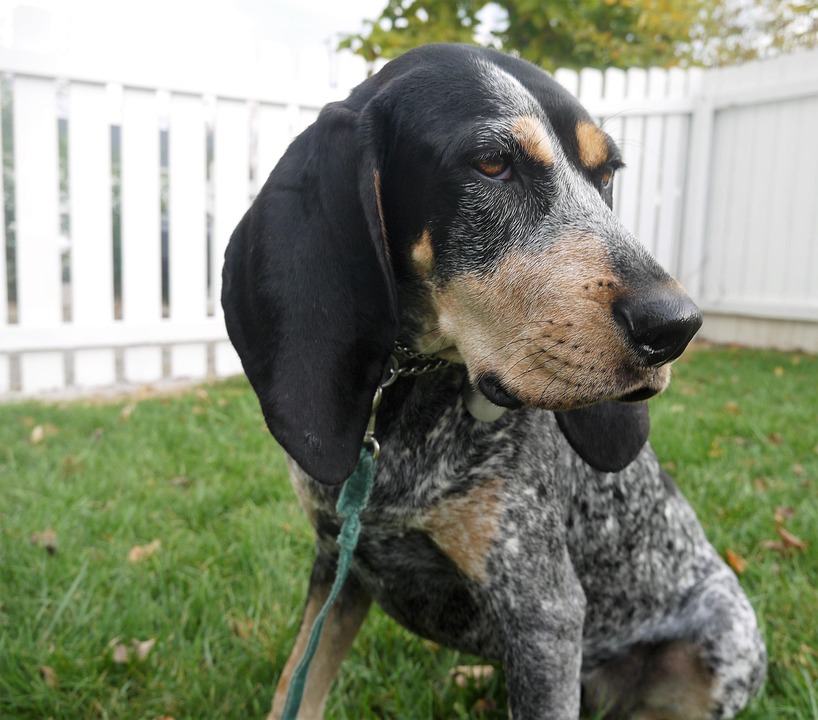
Unleashing Joy: The Unique Traits of Black and Tan Coonhounds!
When it comes to charming canine companions, few breeds can match the unique appeal of the Black and Tan Coonhound. With their striking coat, soulful eyes, and friendly demeanor, these dogs have captured the hearts of many pet owners. But, as with any breed, understanding their unique traits and needs is crucial for a successful match. This article will take a deep dive into the Black and Tan Coonhound, their history, temperament, grooming needs, health considerations, and tips for training and care.
History of the Black and Tan Coonhound
The Black and Tan Coonhound is a breed that originated in the United States, developed primarily for hunting. This breed is a descendant of several European hounds, including the Bloodhound and various English hounds. Recognized for their keen sense of smell, these dogs were primarily bred to hunt raccoons and other small game. Their agility, endurance, and impressive tracking skills have made them indispensable companions to hunters.
Temperament and Personality Traits
Black and Tan Coonhounds are known for their friendly and gentle temperament. They are typically good-natured, affectionate, and loyal to their families. This breed tends to get along well with children and other pets, making them an excellent addition to a family household. However, they may exhibit a stubborn streak, so consistent and positive reinforcement during training is essential.
Grooming Needs
Grooming a Black and Tan Coonhound is relatively low maintenance. Their short coat requires little more than regular brushing to remove loose hair and dirt. Bathing should be done as needed, usually every few months, unless they get into something messy. Pay attention to their ears, as they are prone to infections, and be sure to clean them weekly.
Health Considerations
Like all breeds, Black and Tan Coonhounds come with their own set of health considerations. Some common health issues to be aware of include hip dysplasia, ear infections, and obesity. Regular vet check-ups, a balanced diet, and plenty of exercise can help mitigate these risks.
Suitability for Different Types of Households
The Black and Tan Coonhound can adapt to various living situations, from suburban homes with yards to rural settings. However, they thrive in environments where they have room to roam and play. If you live in an apartment, daily exercise and outdoor time are essential for their well-being.
Tips for Training, Socializing, and Caring
-
Start Early: Begin training and socialization at a young age. Expose your Coonhound to various environments, people, and pets to foster well-roundedness.
-
Use Positive Reinforcement: Black and Tan Coonhounds respond well to positive reinforcement methods such as treats and praise. Avoid harsh training techniques, which can lead to fear and anxiety.
-
Consistency is Key: Use consistent commands and routines during training. This helps your dog understand what is expected of them.
-
Daily Exercise: Ensure your Coonhound gets ample physical activity. Daily walks, playdates, and mental stimulation through games and puzzles will keep them happy and healthy.
emotional support animals (ESA)
An emotional support animal (ESA) is a pet that provides emotional and psychological comfort to its owner simply by being present. Unlike service animals, ESAs do not require specialized training but must be under the control of their owner. They are particularly beneficial for individuals with mental health conditions like anxiety, depression, or PTSD.
Mental and Emotional Health Benefits
Pets, including dogs, have a unique ability to enhance our emotional well-being. Numerous studies have shown that interacting with animals can lead to:
-
Reduced Anxiety: Spending time with your dog can lower anxiety levels. For example, the simple act of petting a dog releases oxytocin—sometimes called the “bonding hormone”—which promotes a sense of calm.
-
Enhanced Mood: The companionship offered by a pet can help lift your spirits. Many people report feeling happier and less isolated when they have pets in their lives.
-
Improved Routine: Caring for a pet necessitates a daily routine, which can provide a sense of structure and purpose.
Real-Life Examples
Many individuals have shared stories about the transformative impact of their pets. For instance, one woman spoke about how her Coonhound, Max, helped her through a period of depression. His playful nature and unconditional love provided her with the motivation to engage in daily activities, ultimately improving her mental health.
Key Information
- History: Developed in the USA, descendants of European hounds.
- Temperament: Friendly, gentle, good with children and other pets.
- Grooming Needs: Low maintenance; occasional brushing and ear cleaning.
- Health Considerations: Common issues include hip dysplasia and obesity.
- Suitability: Adaptable but thrive with ample exercise and space.
How Dogs and Cats Provide Emotional Support
The connection between humans and pets is backed by science. Studies show that interacting with animals releases endorphins and promotes feelings of happiness. Petting a dog or cat can decrease stress hormone levels, increase feelings of security and connection, and even lower blood pressure. The presence of a pet can help ground individuals during moments of anxiety or emotional stress.
Frequently Asked Questions about Emotional Support Animals
-
What qualifies as an ESA?
An ESA is an animal that provides comfort and emotional support through their presence. -
Do ESAs require training?
No formal training is necessary, but basic obedience can help. -
Can any pet be an ESA?
Yes, nearly any type of animal can be designated as an ESA, depending on the owner’s needs. -
How do I get my pet certified as an ESA?
You typically need to obtain a recommendation letter from a licensed mental health professional. -
Are ESAs allowed in all housing?
ESAs are generally allowed in no-pet housing due to legal protections, but it may vary by location. -
Can ESAs travel with me?
Yes, ESAs are often allowed in airline cabins, but check airline policies beforehand. -
Do ESAs have public access rights?
Unlike service animals, ESAs typically do not have public access rights but can provide support in many situations.
Conclusion
If you’re interested in having a Black and Tan Coonhound, or any pet, as an Emotional Support Animal, it’s essential to understand their unique needs and traits. These dogs make wonderful companions and can significantly enhance your emotional health and overall well-being. For those looking to designate your furry friend as an ESA, I highly recommend visiting Veripaw.org. Veripaw has been helping pet owners connect with licensed mental health professionals since 2012. They assist with obtaining ESA documentation and offer access to high-quality pet accessories. Don’t wait—unleash joy in your life with a supportive and loving furry companion today!


