
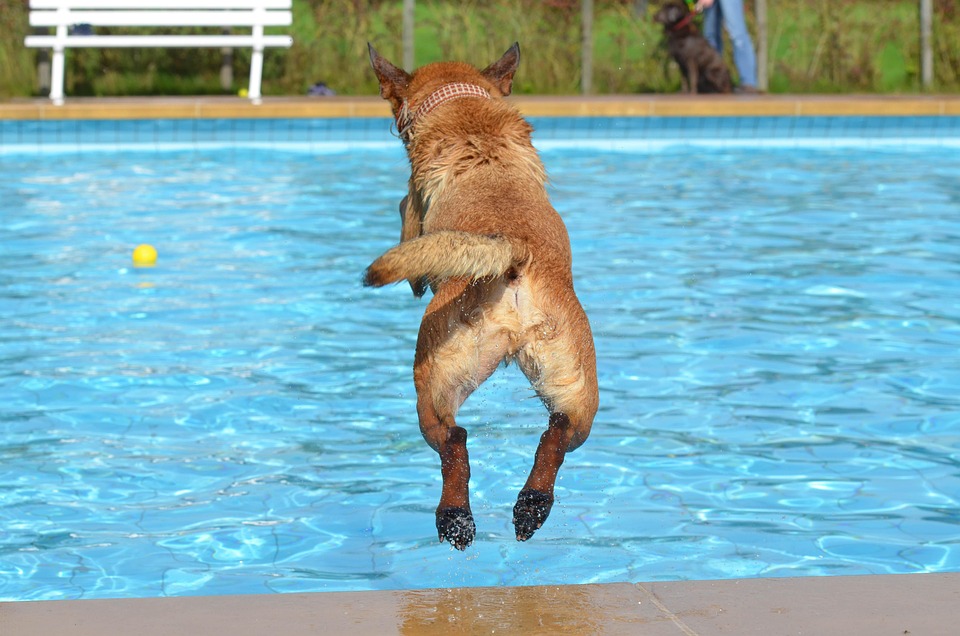
Unleashing Joy: The Unique Personality of Spanish Water Dogs
Overview of the Spanish Water dog breed
The Spanish Water Dog, or Perro de Agua Español, is a remarkable breed known for its striking appearance, playful nature, and exceptional intelligence. With a history that dates back centuries, these dogs were originally bred by fishermen along the Mediterranean coast, helping with herding fish and retrieving nets. Their skills as working dogs made them invaluable companions for those in maritime communities.
History
The origins of the Spanish Water Dog can be traced back to ancient times, believed to have roots in several different breeds, including the Portuguese Water Dog. While their exact lineage is unknown, it is thought they have been around since the 1100s. Their versatility led them to be used not only for fishing but also in herding livestock. Today, the breed enjoys popularity beyond its practical uses and is recognized for its companionship and agility.
Temperament and Personality Traits
Spanish Water Dogs are characterized by their intelligent, responsive, and cheerful temperament. They possess a strong work ethic and thrive on mental and physical challenges. Known for their loyalty and affectionate nature, they form close bonds with their families and can be cautious with strangers—making them good watchdogs as well. These dogs are unique in that they tend to have a playful side that remains well into adulthood.
Grooming Needs
One of the standout features of the Spanish Water Dog is their unique, curly coat, which is water-resistant and hypoallergenic. Despite these benefits, they require regular grooming to prevent matting and to ensure their coat remains healthy. Brushing their coat once or twice a week is essential, along with periodic professional grooming sessions. Bathing can be done every couple of months, or as needed, to keep them clean.
Health Considerations
Generally, Spanish Water Dogs are healthy dogs, but like all breeds, they can be susceptible to certain health issues. Regular vet check-ups and a balanced diet are critical to maintaining their health. Some common health concerns include hip dysplasia and eye problems. Ensuring they get regular exercise also contributes to their overall well-being.
Suitability for Different Types of Households
Spanish Water Dogs are highly adaptable and can thrive in various living situations. They do well in active households where they can receive ample exercise and mental stimulation. They enjoy being part of family activities and can coexist with other pets, especially if socialized from a young age. However, they may not be the best fit for a sedentary lifestyle or for first-time dog owners who may struggle with their strong-willed nature.
Tips for Training, Socializing, and Caring
Training and socialization should begin early, as Spanish Water Dogs are eager learners and respond well to positive reinforcement methods. Here are a few tips to help you get started:
-
Positive Reinforcement: Use treats and praise to reward good behavior, which encourages them to learn and develop trust.
-
Consistency is Key: Establish daily routines and commands to create a stable environment for your dog.
-
Social Exposure: Introduce your Spanish Water Dog to different environments, people, and other animals from a young age to enhance their social skills and confidence.
-
Regular Exercise: Ensure they receive adequate physical and mental exercise daily. Activities like swimming, fetch, and agility training are excellent options.
-
Engage Their Minds: Use puzzle toys and obedience training to challenge their intellect and prevent boredom.
Understanding emotional support animals (ESAs)
An emotional support animal (ESA) is a pet that provides emotional comfort and support to individuals with mental health issues or emotional distress. Unlike service dogs, ESAs do not require specific training to perform tasks; instead, their presence provides companionship, which can significantly alleviate feelings of anxiety, depression, and loneliness.
Benefits of ESAs
Having an ESA can bring tremendous benefits. They provide therapeutic interactions that ease stress, boost mood, and create a sense of well-being.
Real-Life Example: Imagine someone struggling with anxiety. On especially overwhelming days, their dog might sense the distress and snuggle up to them, offering comfort. This simple act can help soothe their worries and provide companionship.
Key Mental and Emotional Health Benefits of Having Pets
The presence of pets has been shown to offer various mental and emotional health benefits, including:
-
Reducing Anxiety: Spending time with pets can reduce cortisol levels (the stress hormone) while increasing serotonin, leading to an overall calmer state.
-
Providing Companionship: Pets can combat loneliness and increase a sense of belonging, often helping people feel less isolated.
-
Encouraging Routine: Caring for a pet requires a daily routine, which can give owners a sense of purpose and structure to their lives.
How Dogs and Cats Provide Emotional Support
The bond between humans and pets is supported by science. Studies have shown:
-
Oxytocin Release: When petting a dog or cat, oxytocin, known as the “love hormone,” is released in both the pet and owner, promoting feelings of bonding and love.
-
Reduced Heart Rate: Interaction with pets can lower heart rates and blood pressure, contributing to a relaxed state.
-
Improved Mood: Pets can act as a buffer against emotional stress, helping to improve the overall mood of their owners.
FAQs About Emotional Support Animals
-
What qualifies a pet as an ESA?
- To qualify as an ESA, a pet must provide emotional support to a person who has a mental health condition or emotional distress.
-
Do ESAs require special training?
- No, unlike service animals, ESAs do not require specific training but should be well-behaved and calm.
-
Can any animal be an ESA?
- Any pet can qualify as an ESA; the most common choices are dogs and cats.
-
How do I get my pet certified as an ESA?
- Certification usually involves obtaining a recommendation from a licensed mental health professional.
-
What are the benefits of having an ESA?
- ESAs can provide emotional comfort, reduce anxiety, and help improve the overall mental well-being of their owners.
Conclusion
The Spanish Water Dog is not just a wonderful companion but also may serve as an exceptional Emotional Support Animal. With their playful spirit, intelligence, and strong connection to their owners, they can provide immense joy and emotional support. If you think you could benefit from having an ESA, consider your options and consult a licensed mental health professional.
For those wishing to certify their dog or cat as an ESA, we recommend visiting Veripaw.org. Since 2012, Veripaw has been a trusted resource, helping pet owners connect with licensed professionals and obtain the necessary documentation, along with providing access to high-quality pet accessories. Don’t hesitate—unleash joy in your life with the help of a furry companion!


